CTOs are private operators who use the railway infrastructure to move their own rakes (trains) loaded with export-import (Exim) and domestic containers under a licensing agreement with the railways.


With maritime container trade dropping due to the closure of the Strait of Hormuz and the ripple effects it has created in the global energy scenario, CTOs have faced a major revenue loss, but end up paying even more due to the loss of capacity.
Rakes that are not being used are kept idle at rail facilities. This attracts a stabling charge, which is borne by the operator. As trade has reduced, more of these rakes need to be stabled as their use is not necessary.
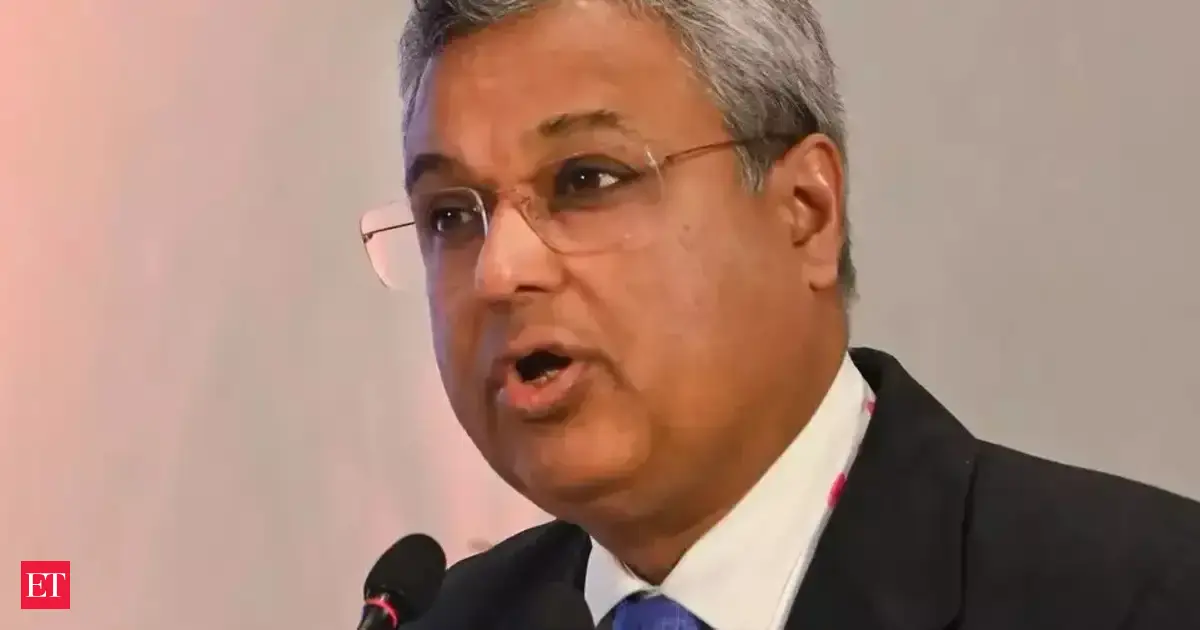
According to Manish Puri, president of the Association of Container Train Operators (ACTO), around 50 such rakes are being stabled, which is nearly five to eight times more than normal.
Moreover, trains are often having to run empty in either direction (to or from ports), which means operators are having to pay haulage (transportation) charges for no cargo.
A senior government official said that the railways, though initially reluctant, is considering these reliefs given that any long-term losses to operators can also reflect in the railways’ overall freight volumes and the broader view from the top that the government is looking at providing cost relief to businesses wherever justified.
Multiple meetings have taken place, including one in the previous week; however, no decision has been taken on the requests yet, the official said. Between state-run and private operators, nearly 700 trains are run by these operators, of which half are by private players.
“Stabling one train costs nearly Rs 30,000 for one day. With around 50 such rakes, CTOs have paid for around 1,400 stabling days since the conflict began,” Puri told Business Standard.
In its representation to the railways on April 13, ACTO said, “In financial terms, the impact of this stabling and underframe running that has resulted due to the imbalances and fluctuations in cargo movement amounts to a sum of approximately Rs 4 crore for stabling, and around Rs 15 crore for underframe running.”
The double whammy is creating a difficult situation for CTOs, who have so far not passed on any of these cost pressures to exporters, said an executive.
Queries sent to the Ministry of Railways did not elicit a response till the time of publication of this report.
However, the proposal faces a policy quagmire for the railways. According to officials in the know, the railways has informed industry that stabling charges can only see some relief if the Union government declares a force majeure over the West Asia crisis.
The ministry is deliberating on what relief it can provide on haulage of empty wagons due to the West Asia crisis.
Source link
#Railways #mulls #relief #container #train #operators #hit #West #Asia #crisis