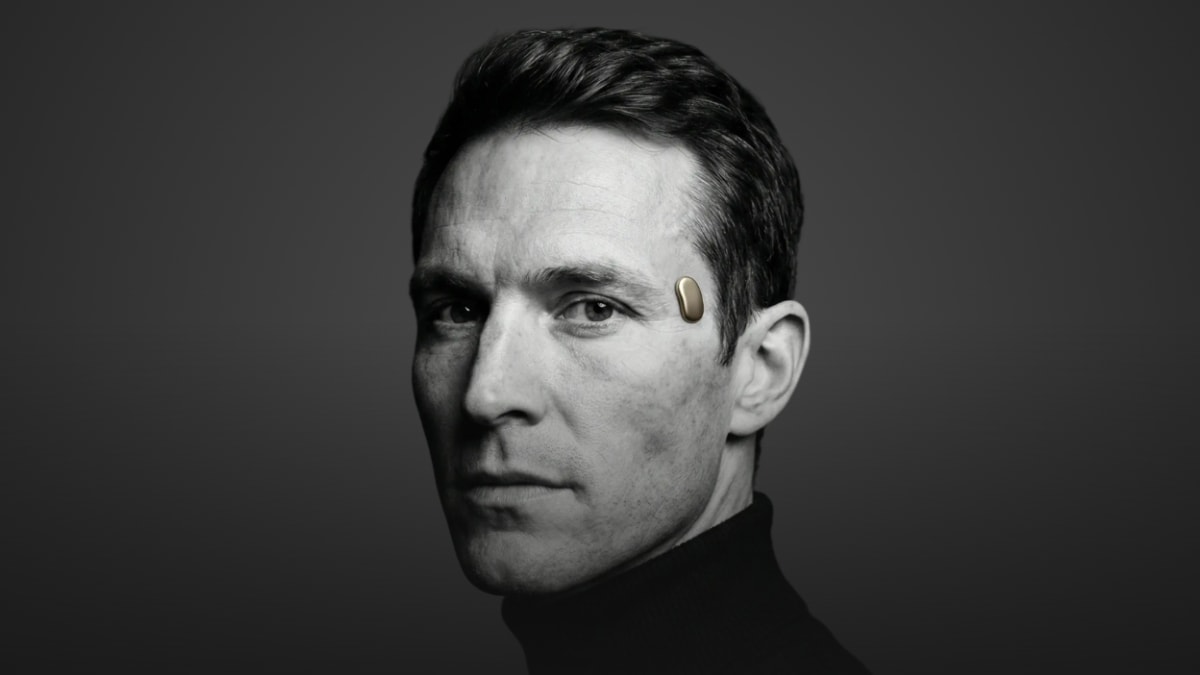
Deepinder Goyal has announced early access for Temple, a new wearable focused on tracking physical and cognitive health. The device is designed to be worn on the side of the head and aims to offer deeper insights into human physiology than traditional fitness trackers. The company is now inviting a select group of users to test the product. The rollout targets individuals who prioritise long-term performance, recovery, and overall well-being. Notably, Temple is based on Goyal’s gravity ageing hypothesis, which links long-term gravity effects to reduced brain blood flow, though the idea remains debated within the medical community.
How to Apply for Early Access to the Upcoming Temple Wearable
According to posts shared by Deepinder Goyal on X, Temple is now open for early access applications through its official website. Goyal said the first 100 units are ready to ship. The company plans to onboard a limited group of users, including athletes, scientists, founders, doctors, and creators.


Hello world. The first 100 Temples are ready to ship. We’re now inviting athletes, scientists, founders, doctors, creators, and individuals who care deeply about their physical and cognitive health to be the founding users of Temple.
Apply for early access at… pic.twitter.com/aljDp0iKVi
— Deepinder Goyal (@deepigoyal) May 5, 2026
Goyal added that the goal is to gather detailed feedback from users who can help shape the product’s development. Selected users may also get an opportunity to participate in a future funding round.
Temple is positioned as a precision wearable that focuses on training, recovery, work, and sleep. Unlike wrist-based devices, it is worn on the temple area of the head. The company claims this placement allows the device to capture cleaner and richer physiological signals due to thin skin, high blood flow, and reduced motion in that region. However, these claims are yet to be independently validated.
Goyal has previously shared early comparisons of Temple’s heart rate tracking against other devices. In one test conducted during a badminton session, Temple’s readings were said to closely match those of Polar devices, which are widely considered a benchmark for heart rate monitoring. Wrist-based trackers, in comparison, showed less accurate results in the same scenario, according to the shared data.
The Temple wearable is said to track blood circulation to the brain, which is believed to be linked to neurological function. Continuous monitoring can help users understand patterns related to activity, stress, and rest. Reduced blood flow to the brain can lead to fatigue, poor concentration, memory issues, and age-related cognitive decline.
Source link
#Deepinder #Goyal #Announces #Early #Access #Upcoming #Temple #Wearable