JLR ended FY26 with £2.8 billion in cash and total liquidity of £6.9 billion, including undrawn credit facilities and government-backed funding lines, giving it the financial flexibility to continue investing despite the temporary setback
Jaguar Land Rover (JLR), Tata Motors’ British luxury vehicle subsidiary, is overhauling its cost structure after slipping into a loss in FY26, with management aiming to reduce the number of vehicles it needs to sell to remain profitable even as strong demand for Range Rover and Defender continues to support the business.



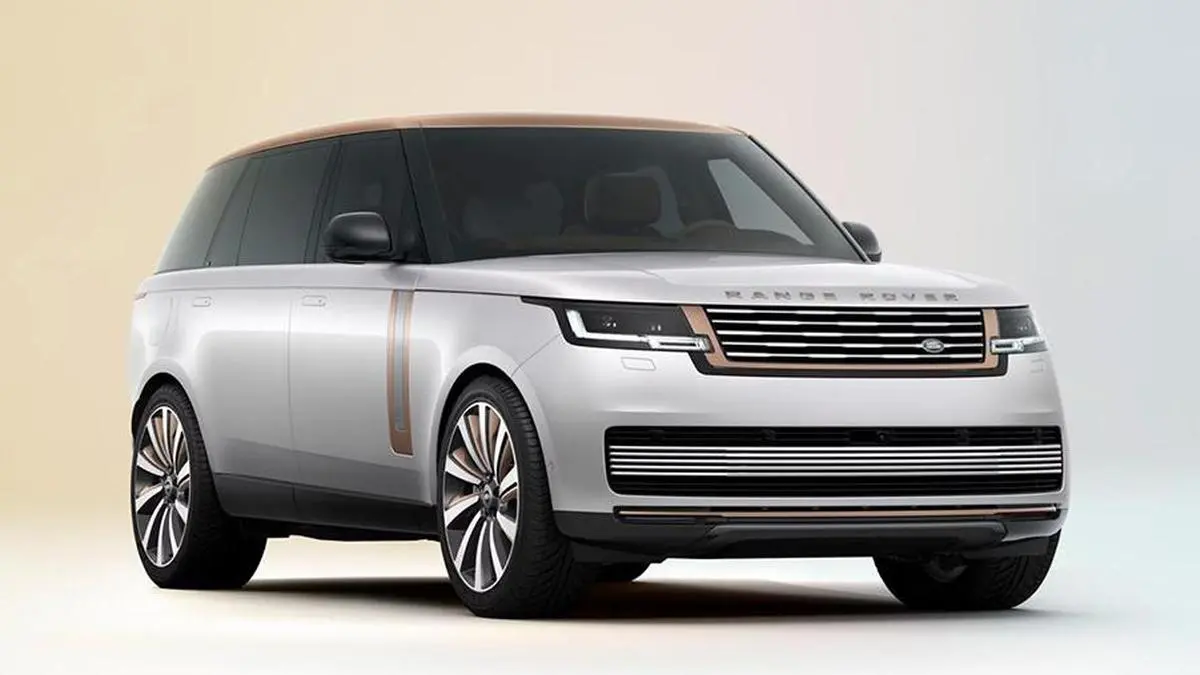
The company said it will lower break-even volumes to about 300,000 vehicles within two years and deliver £1.7 billion in savings through its “Enterprise Missions” programme, while maintaining its £18 billion investment commitment over FY24–FY28. The recovery plan will be supported by one of the most significant product offensives in JLR’s recent history over the next 18 to 24 months, beginning with the Range Rover Electric, followed by the first vehicles based on its Electrified Modular Architecture (EMA) platform and the relaunch of Jaguar with its all-electric Type 01.
The move comes after JLR reported a £244 million loss after tax in FY26, compared with a profit of £1.8 billion in FY25, as incremental U.S. tariffs, China market weakness, a cyber incident and the planned wind-down of existing Jaguar models weighed on performance. Revenue fell 20.9 per cent year-on-year (y-o-y) to £22.9 billion, while EBIT margin dropped to 0.7 per cent from 8.5 per cent. Profit before tax and exceptional items declined to £14 million from £2.5 billion a year earlier.
“JLR faced a challenging year with revenue and profit impacted by multiple headwinds, including a pause in production following the cyber incident,” PB Balaji, Chief Executive Officer, said in the results statement. “As we look ahead into FY27, we are focused on driving growth through our well differentiated House of Brands and reducing our break-even volumes, whilst we launch a slew of exciting products.”
Resilient approach
The recovery plan rests on management’s view that customer demand for JLR’s most profitable products remains strong. During the earnings call, Chief Financial Officer Richard Molyneux said underlying demand continues to be robust for Range Rover and Defender, the two brands that generate the bulk of the company’s earnings and cash flows.
The March quarter offered early evidence of that resilience. As production normalised after the cyber disruption, JLR generated £829 million in free cash flow and posted a 9.2 per cent EBIT margin, although quarterly revenue was still down 11.1 per cent year-on-year to £6.9 billion. For the full year, however, the company burned £2.2 billion in free cash flow, reflecting the extent of the disruption.
Molyneux also said the conflict in West Asia has not materially affected demand so far, with West Asia accounting for about 6 per cent of JLR’s global sales. He said the company has “a good track record of effectively managing our supply chain during geopolitical shocks” and is prepared to act quickly if conditions worsen. JLR has paused all travel to or through the Middle East, is supporting employees in the region in line with UK and local government guidance, and said vehicle production continues as it works closely with suppliers and logistics partners to manage shipping and distribution disruptions.
JLR ended FY26 with £2.8 billion in cash and total liquidity of £6.9 billion, including undrawn credit facilities and government-backed funding lines, giving it the financial flexibility to continue investing despite the temporary setback. After a year in which several external shocks erased most of its earnings,
The company is s betting that a lower break-even model, resilient demand for its flagship SUVs and a new generation of electric vehicles can restore the profitability that has historically powered Tata Motors’ global business.
Published on May 14, 2026
Source link
#JLR #lowers #breakeven #vehicles #demand #Range #Rover #Defender #stays #strong