

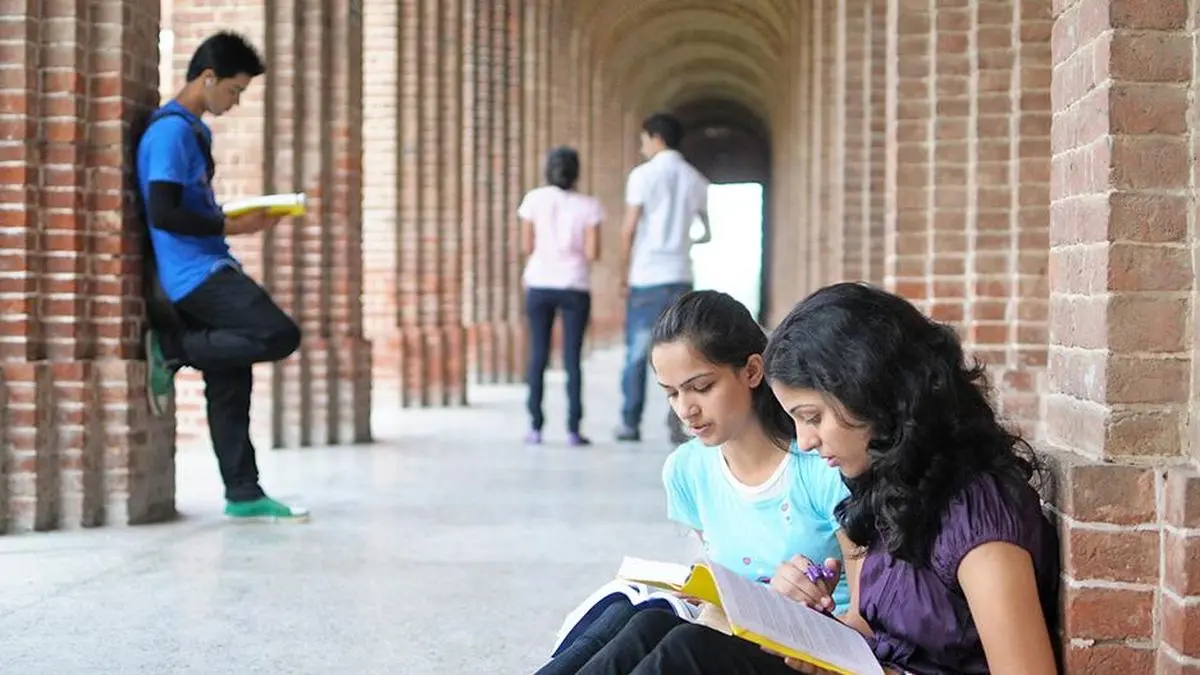
As countries tighten immigration pathways and AI reshapes the global job market, Indian students looking to study and settle abroad are facing a far more uncertain future than they did just a few years ago.
For years, overseas education was seen by many Indian families as a straightforward three-step pathway: study abroad, secure post-study work rights and eventually secure permanent residency. But that model is rapidly changing as governments across major destinations tighten visa norms, raise salary thresholds and align immigration closely with labour-market needs.


“Immigration will become less volume-driven and more evidence-driven. AI will accelerate that shift,” said Varun Singh, MD, XIPHIAS Immigration. “Earlier, a generic technology degree or a standard software role was often enough to support a strong work visa pathway. In the future, immigration officers and employers will consider whether the candidate brings specialised skills, domain knowledge, salary justification, and a clear labour-market need.”
Tech Roles
This change will be most visible in white-collar and technology roles where routine work can be automated or handled by smaller teams. Tanul Thakur, author of Wild Wild East, echoed this, adding that AI is rapidly eroding entry-level tech jobs globally, with major implications for US visa pathways such as F-1 and H-1B that largely cater to young international graduates seeking STEM jobs.
“Layoffs at companies such as Oracle, Amazon, Meta and Microsoft are evidence of shrinking opportunities even for domestic workers, as AI has had a detrimental impact on the employability of young tech workers. Alongside, teams with mid-level employees are also shrinking,” he noted.
He added that changes to the H-1B system are compounding the challenge. While the US H-1B system has operated through a lottery where salary levels did not matter, proposed reforms to introduce a wage-based selection process could favour higher-paid and more experienced candidates, potentially making it harder for recent graduates and entry-level workers to compete.
H-1B wage
Thakur also noted that proposals from the Trump administration to raise H-1B wage thresholds would further discourage companies from hiring junior foreign workers, as employers are unlikely to pay entry-level candidates such high salaries.
Similar challenges exist in other countries. Neeti Sharma, CEO, Teamlease Digital, highlighted that in the UK, skilled worker visa holders face limited timelines to secure new employment after sponsorship ends. In Canada, many employer-specific work permit holders depend on continued employment to maintain status, while in Australia, temporary skill shortage (TSS) visa holders must quickly find another sponsoring employer or risk losing visa validity.
Localisation Pressures
Across multiple countries, companies are also becoming more cautious about sponsorships due to localisation pressures, economic uncertainty, and geopolitical factors.
Singh said that during layoffs, governments face pressure to ensure foreign hiring does not replace domestic workers, leading to higher salary thresholds, stricter compliance checks and closer scrutiny of overseas hiring.
International students and foreign workers remain especially vulnerable because their legal status is tied to employment. Alongside, companies are becoming more selective about sponsorships due to costs, paperwork and compliance risks, often preferring local hires during weak job markets.
Ritika Gupta, CEO, Global Education Mentor, Aaera, elaborated: “Local hiring is more appealing than international hiring in today’s uncertain economic environment. Visa sponsorships mean extra cost, paperwork, and compliance for employers. For example, most businesses in Australia prefer local applicants who are already residing and working in Australia.”
Studying Abroad
Indian students are also becoming more cautious about studying abroad, factoring in rising tuition costs, layoffs, stricter immigration rules, visa uncertainty and return on investment before making decisions. Experts warn that students choosing courses mainly for migration purposes face the highest risk, as countries increasingly align post-study work rights with labour-market needs and shortage occupations.
The focus, they said, has shifted from ‘which country is the easiest to enter? to ‘which country offers the best employability, work rights, and long-term stability?’ Students are also exploring newer destinations such as Germany, Ireland, France, New Zealand, and the United Arab Emirates alongside traditional markets like the US, the UK, Canada, and Australia.
As job losses from AI will likely increase in highly specialised occupations, the immigration process will likely be biased towards those who can make a significant economic contribution, rather than towards those who present mass migration opportunities, according to Gupta.
Singh said no career is completely safe, but sectors linked to essential services, deep technical expertise, and human judgment are likely to remain more resilient. These include healthcare, cybersecurity, data engineering, AI governance, cloud infrastructure, renewable energy, civil engineering, advanced manufacturing, logistics, compliance, and financial technology.
Published on May 17, 2026
Source link
#Overseas #dream #tougher #immigration #curbs #hit #entrylevel #jobs





