The Indian delegation will be headed by Commerce and Industry Minister Piyush Goyal. The Indian team, comprising Chief Negotiator and Additional Secretary at the Department of Commerce Amitabh Kumar and at least 41 other officials, headed to Cameroon on Sunday.

The ministerial meeting will take place against the backdrop of the protectionist tariff policies imposed by the US over the last one year and the ongoing war between US-Israel and Iran, which is disrupting global energy markets and trade.
Business Standard takes a look at the past 13 ministerial meetings from 1996 to 2024, the key outcomes and the agenda for MC14.
MC1 (1996): Singapore
Global backdrop: First ministerial conference since the WTO came into force on January 1, 1995
– International Labour Organisation (ILO) would be the sole labour body or competent body to recognise core labour standards
–Information Technology Agreement (ITA) to eliminate Customs duties on IT products by 2000
–Working groups were set up for future agenda on issues, including government procurement, competition, trade facilitation and investment. It was also decided that future negotiations will take place only after consensus among all WTO member countries
MC2 (1998): Geneva, Switzerland
Global backdrop: Amid disturbances in the financial markets, starting with Asia
–Member nations agreed to continue not imposing Customs duties on electronic transmissions. Decided to review the extension of the moratorium by consensus
–Agreed to launch comprehensive work programme to examine all trade-related aspects of global e-commerce
–Amid disturbances in the financial markets, WTO urged member nations to reject use of protectionist measures
MC3 (1999): Seattle, United States
Global backdrop: Known as the millennium round; took place amid public protest against WTO
–The ministerial meeting was suspended after four days of intensive talks and without issuing a ministerial declaration. It was a result of deep divergences among the member nations on issues such as agricultural subsidies and gaps on major issues between developed and developing countries. That apart, anti-globalisation protests in Seattle also caused disruption.
MC4 (2001): Doha, Qatar
Global backdrop: Two months after the 9/11 attack on the US
–Doha Development Agenda was launched to reform the global trading system by lowering barriers to trade and updating trade rules across 20 sectors
–It set the mandate for negotiations focusing on reducing barriers to trade in agriculture, industrial goods, services, intellectual property while giving more weight to the concerns of developing and least developed countries
–Separate declaration on Trade-Related Aspects of Intellectual Property Rights (TRIPS) agreement was adopted to support public health and access to medicines. It gave developing countries the flexibility in implementing intellectual property rules
–The accession of China into the WTO was formally approved, paving way for its tremendous economic growth through deeper integration with the global economy. According to the WTO DG, the country’s economic rise lifted millions out of poverty, not only within China but also in its trading partners across the developing world.
MC5 (2003): Cancun, Mexico
Global backdrop: Post 9/11 tensions and Iraq war
–Failed to have an agreement on a ministerial declaration due to deep divergences between countries, especially over whether to launch negotiations on the ‘Singapore issues’, which included government procurement, competition, trade facilitation and investment
–There were differences between developed and developing countries over issues such as agriculture subsidies
MC6 (2005): Hong Kong
Global backdrop: Protest against WTO led by South Korean farmers
–Member nations agreed to eliminate agricultural export subsidies by the end of 2013
–Agreed to eliminate all forms of export subsidies for cotton by developed countries in 2006
–Developed nations agreed to allow most goods from least developed countries to enter duty and quota-free
MC7 (2009): Geneva, Switzerland
Global backdrop: Global financial crisis
–Committed to conclude the Doha Development Round at the earliest
–Agreed to extend moratorium on customs duties on electronic commerce
–Agreed to extend moratorium on intellectual property
MC8 (2011): Geneva, Switzerland
–Countries agreed to give preferential treatment to service providers from least-developed countries
–Acknowledged the deadlock in the negotiations of the Doha round
–A work programme to deal with the challenges of weaker economies
MC9 (2013): Bali, Indonesia
–A Bali package (series of agreements) was announced – first major deal concluded under the WTO
–Bali Peace Clause was adopted, under which developing countries can breach subsidy limits on food procurement, without facing legal challenges at the WTO
–Trade facilitation agreement was concluded to simplify, modernise import-export processes
–Increased market access for products from least developed countries
MC10 (2015): Nairobi, Kenya (First ever WTO ministerial held in Africa)
–Nairobi package containing six ministerial decisions on agriculture, cotton and issues related to least-developed countries
–Commitment to eliminate export subsidies for farm exports
–Agreed to phase out tariffs on 201 IT products, with 65% eliminated by mid-2016 and nearly all duty-free by 2019
–Preferential treatment for least developed countries in services
MC11 (2017): Buenos Aires, Argentina
Global backdrop: Global trade tensions, starting with US-China trade war
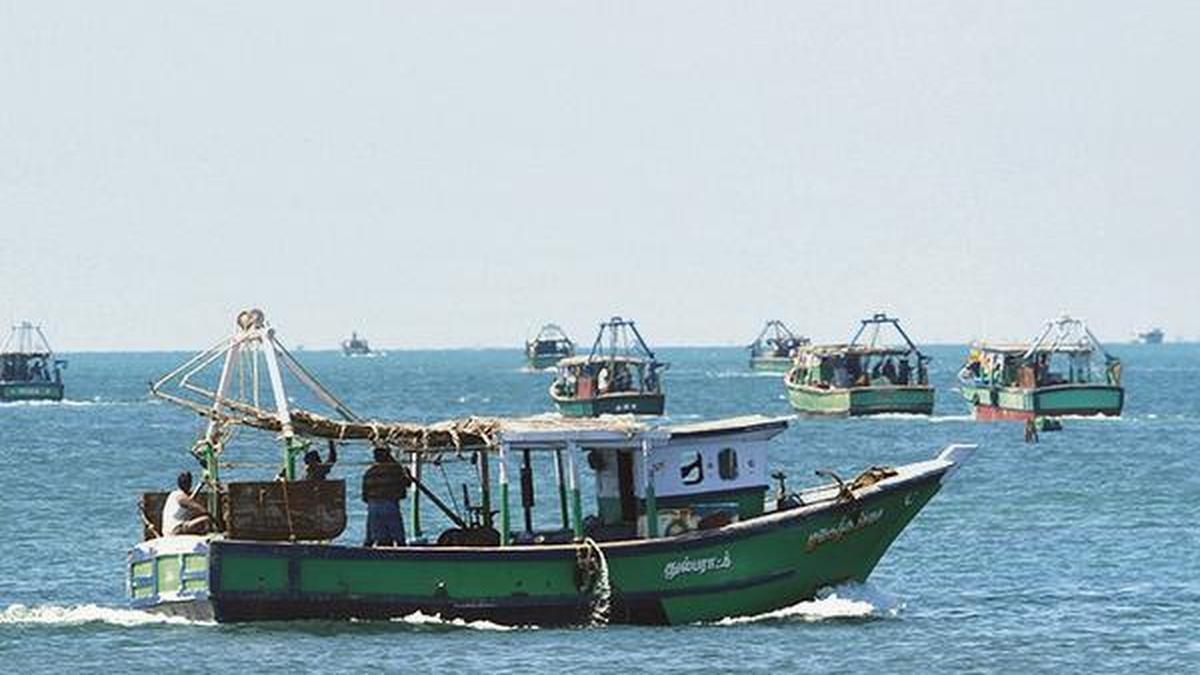
–Decision to advance negotiations on fisheries subsidies that would stop subsidies resulting in overcapacity and overfishing
–Agreed to extend the practice of not imposing Customs duties on electronic transmissions
–Countries agreed review how many disputes should be handled under TRIPS Agreement and, meanwhile, pause new complaints
MC12 (2022): Geneva, Switzerland
Global backdrop: Post Covid-19 and soon after the Russia-Ukraine conflict began
–Agreed on waiver on intellectual property rights covering production and export of Covid-19 vaccines; though diagnostics and therapeutics were excluded
–Partial deal was reached to curb illegal, unreported and unregulated fishing
–Declaration on emergency response to ease global food insecurity and decision to exempt World Food Programme purchases from export restrictions
–Countries agreed to extend the moratorium on customs duty on e-commerce transactions by another two years.
MC13 (2024): Abu Dhabi, United Arab Emirates
–Divergences in positions remained on key issues such as curbing subsidies that result in overcapacity and overfishing, and public stockholding (PSH) for food security
–Countries agreed to not impose Customs duties on electronic transmissions until the next ministerial conference or March 31, 2026, whichever is earlier.
–Have a fully and well-functioning dispute settlement system accessible to all members by the end of 2024
MC14 (2026): Yaoundé, Cameroon (26-29 March, 2026)
Global backdrop: Amid protectionist tariff policies implemented by the US and weeks after the US-Israel and Iran war began
–In agriculture, India’s public stockholding programme will be key area of discussion
–Discussions on ‘WTO Reforms’ will see intense discussions of the decision making process at the WTO — on whether to retain the consensus drive approach or shift towards a voting system
–Fisheries subsidies talk will enter the second phase after the MC12 deal to curb illegal, unreported and unregulated fishing
–India will face immense pressure to join China-backed plurilateral agreement – Investment Facilitation for Development. IFD is backed by 128 member nations
*The ministerial conference is the highest decision-making body in the WTO and meets once every two years
Source link
#WTO #ministerial #conferences #Key #outcomes #agenda