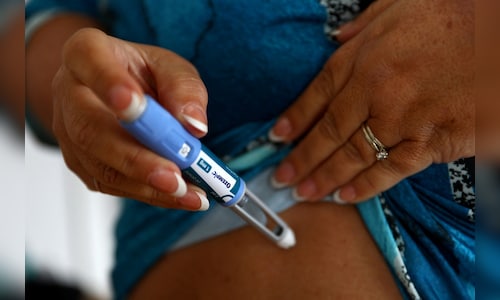
The launches mark a shift in pricing, with Indian patients expected to pay far less than patients in markets such as the United States and Canada, where patents remain in force and multinational companies continue to control prices.


Prices fall as generics enter market
Monthly semaglutide treatment in India is expected to cost about ₹3,000–₹5,000, compared to around ₹11,000 earlier for branded versions. Analysts expect prices may fall further to around ₹1,500–₹2,500 as more companies enter the market, implying a 50–70 percent price drop.
Zydus Lifesciences has launched semaglutide injection in a reusable multi-dose pen device after patent expiry in India. The drug is indicated for the treatment of both Type 2 diabetes mellitus and obesity. The injection will be available in a 15mg/3ml cartridge manufactured in Ahmedabad, with an average monthly treatment cost of about ₹2,200.
Sun Pharma, Dr Reddy’s, Zydus, Lupin, Natco and Mankind are among companies entering the market, and more than 40 firms are expected to launch multiple brands, increasing competition and expanding access in India’s largely out-of-pocket healthcare system.
Companies plan global supply and expansion
Dr Reddy’s Laboratories said it is bringing the same semaglutide to India that it supplies to global markets and has the capacity to supply India and export as well. The company said it is still in discussions with the Canadian regulator for a possible launch of semaglutide in Canada.
Industry estimates suggest the India GLP-1 market could reach about $1 billion over the next few years as prices fall and more patients begin treatment.
Also Read: Natco Pharma rolls out ‘most affordable’ semaglutide in India
Why semaglutide demand is rising
Semaglutide is used for Type 2 diabetes and weight loss. It mimics the GLP-1 hormone, increases insulin release, reduces glucose production, slows stomach emptying and suppresses appetite.
Clinical trials show reductions in blood sugar and weight loss of about 10–15 percent or more. Cardiovascular outcome trials such as SUSTAIN-6 showed a 26 percent reduction in heart attack risk and a 39 percent reduction in stroke risk. Other studies have shown benefits for kidney and liver disease.
Doctors describe semaglutide as a disease-modifying therapy rather than only a glucose-lowering drug.
Lower prices expand access but raise concerns
Lower prices are expected to expand access to treatment for diabetes and obesity in India, but doctors warn against misuse for cosmetic weight loss and unsupervised use. The drug is a prescription medicine requiring medical supervision, dose escalation and dietary management.
Common side effects include nausea, while rare risks include pancreatitis, gallbladder problems and kidney issues. There is also debate about differences between original biologic products and some generic versions, although approved generics must meet regulatory safety and efficacy standards.
Shift from global pricing to local affordability
The patent expiry marks a shift from high-priced multinational drugs to lower-cost branded generics in India. Patients in India may now access semaglutide at a fraction of global prices, while higher prices continue in countries where patent protection remains in place.
Source link
#Popular #weight #loss #diabetes #drug #costs #India #earlier #CNBC #TV18