In a major de-escalation in West Asia, the United States and Iran have agreed to a two-week ceasefire.
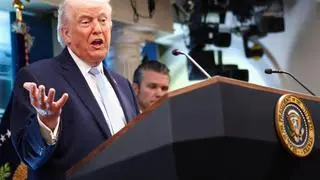
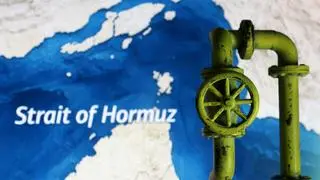
US President Donald Trump announced the ceasefire on Tuesday after more than a month after intense hostilities broke out, leading to Iran’s blockade of the Strait of Hormuz. The blockade caused significant disruption to global energy flows and led to sharp price increases for oil and gas.



Here is a breakdown of what has been agreed upon and what it means:
What has been agreed in the ceasefire deal?
The ceasefire deal includes a two-week pause in the attacks and bombings by the US (and by extension, Israel) and missile strikes by Iran in the ongoing West Asian conflict, including any retaliatory actions linked to the conflict.
However, Israel has stated that the ceasefire does not apply to its current offensive in Lebanon against the Hezbollah militants, despite Pakistan, which mediated the ceasefire, saying it does. This leads to some uncertainty about how this would pan out.
Additionally, Iran has provisionally agreed to allow freight transport in the Strait of Hormuz, albeit with military supervision which comes with a ‘fee’ which would be imposed in co-ordination with Oman.
The Pakistan-mediated ceasefire is said to proceed with further diplomatic talks in Islamabad on April 10, 2026 for which Pakistan Prime Minister Shehbaz Sharif extended invitations to delegates from both the warring nations.
What are Iran’s terms?
In addition to claiming victory, Iran has stated that the war would be concluded only if the US accepts its 10-point peace proposal, many of which were earlier rejected by the US and were the reasons for the escalation in the region. Some of Iran’s demands from the proposal includes,
- Acceptance of Iran’s uranium enrichment program
- Lifting of all primary and secondary sanctions on Iran
- Releasing frozen assets of Iran
- Full US military withdrawal from the region
- Immediate ceasefire on Iran and its allies
- Continuation of Iran’s control over the strait
- Making these conditions binding through a UN Security Council resolution.
What are the terms US is laying down?
US President Donald Trump has claimed a “total and complete victory” in the war.
He said the pause is subject to Iran agreeing to and honouring the “complete, immediate, and safe opening” of the Strait of Hormuz and called it a ‘double-sided ceasefire.’ He also added that US military objectives had already been met and that negotiations toward a broader, formal agreement were “very far along.”
He wrote “We received a 10-point proposal from Iran and believe it is a workable basis on which to negotiate.” Trump added that “almost all” major points of contention had been resolved. However, Trump has posted on TruthSocial that there would not be any uranium enrichment in Iran and the US would work with Iran to “dig up and remove” the deeply buried nuclear dust.
Will ships be allowed to pass through the Strait of Hormuz now?
Yes. Ships will be allowed to pass through the narrow Strait of Hormuz for which the US said would help to clear the massive backlog of shipping traffic that accumulated during the blockade.
Reports from the region suggest ships are already preparing to resume operations as the blockade has essentially ended, for the time being.
However, Iran has declared that traffic would be allowed with its military supervision along with a ‘fee’ which some reports claim could go up to $2 million per ship.
Iran has indicated that it would be split with Oman and would be used to fund reconstruction of damaged infrastructure.
What will be the impact on India?
The ceasefire comes as a massive relief to India as India imports over 60 per cent of its LPG and about 90 per cent of it traverse through the Strait of Hormuz.
Additionally, 30 per cent of India’s crude and 47 per cent of natural gas comes via the narrow strait. The month-long blockade put a significant strain in the domestic supply of LPG, forcing price hikes and securing supply from more diverse and expensive sources for now.
Roughly four LPG, three LNG and 10 crude oil tankers are waiting in west Persian Gulf awaiting transit through the strait. This will help open up the Strait allowing much needed stocks of LPG to reach India.
According to ICRA, “The announcement of ceasefire in West Asia provides much needed relief to the domestic oil and gas sector given the high reliance on West Asia for supplies. While crude and product flows may take months to normalize, some supplies would start for crude oil and petroleum products like naphtha, LPG, thereby alleviating the immediate shortage. Additionally, with the prospect of supplies recommencing from the Strait of Hormuz, crude oil and LPG prices have eased thereby reducing the pressure on marketing margins and LPG under recoveries of oil marketing companies. Apart from crude oil, natural gas supplies are urgently needed for sectors such as fertilisers, however supplies may take weeks to commence, apart from stranded cargoes.”
(with inputs from Rishi Ranjan Kala, Senior Assistant Editor, thehindubusinessline)
More Like This
Published on April 8, 2026
Source link
#USIran #peace #deal #means #India