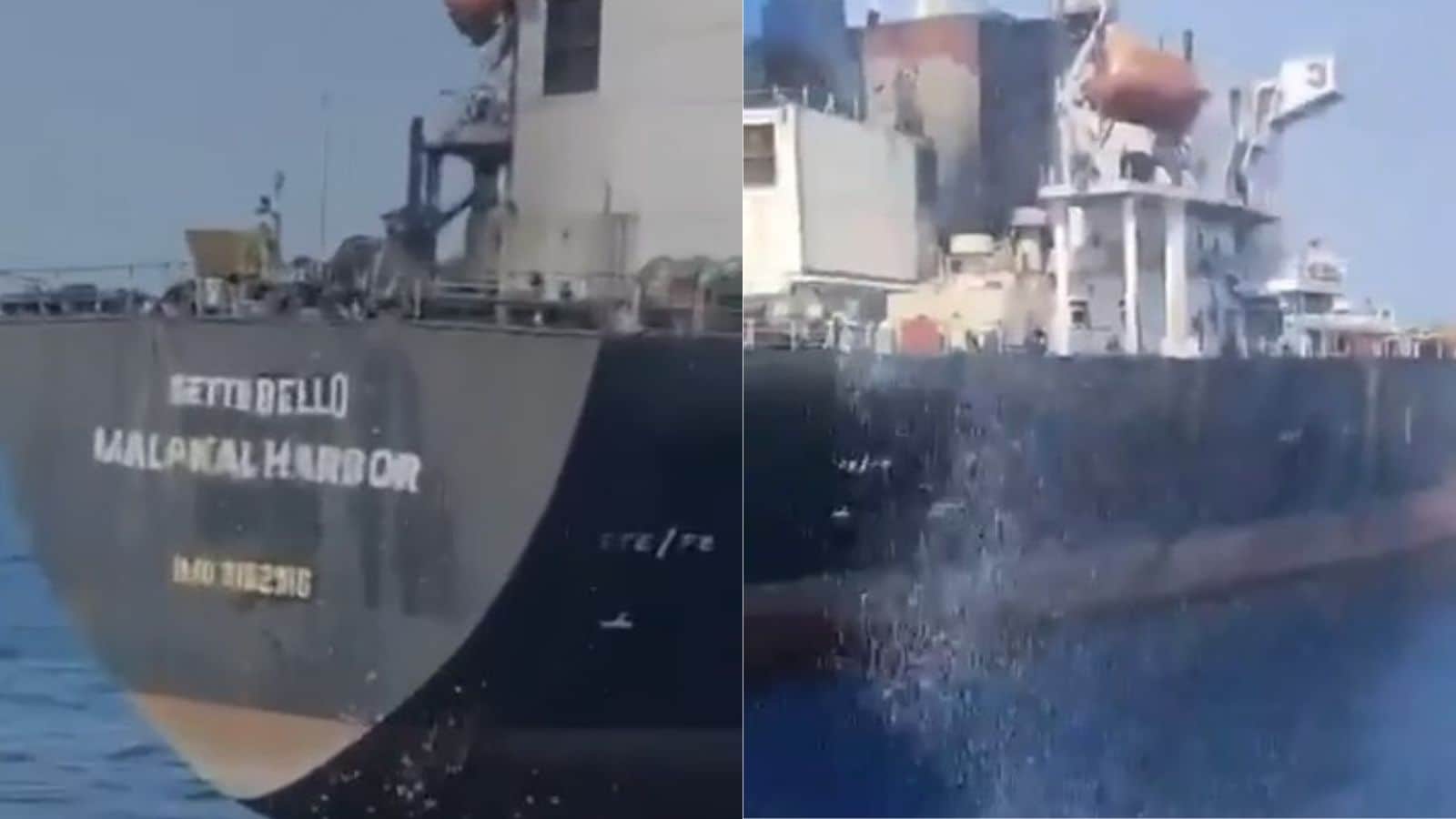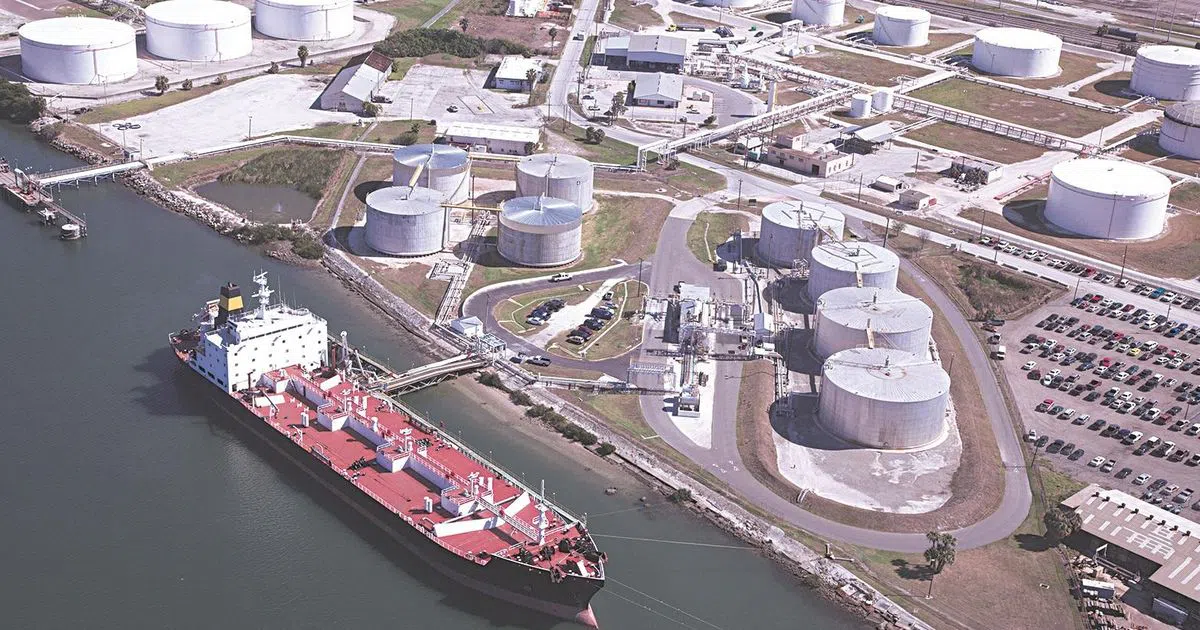
With crude inventories sufficient to meet at least 10 days of requirements and fuel stocks covering another 5-7 days, India is unlikely to face any near-term disruption in oil supplies from the closure of the key supply route of the Strait of Hormuz, officials said.
Even as rapidly unfolding developments, following US and Israeli military strikes on Iran, including the reported killing of the Islamic Republic’s Supreme Leader, suggest the conflict may not last very long, New Delhi has contingency plans in place should tensions escalate, top officials and analysts said.


Iran’s state media said on February 28 that the Islamic Republic has shut the Strait of Hormuz – one of the world’s most critical energy chokepoints through which about a fifth of global oil and gas supplies transit – in response to US and Israeli missile strikes.
The closure for a short duration will not have much impact on India as it already has supplies to meet fuel requirements, they said, adding that in the event of a prolonged disruption or closure of the narrow Strait of Hormuz, the country can recalibrate imports, tapping into its diversified supply sources, including increasing purchases of Russian oil.
The immediate fallout is expected to be reflected in oil prices. Brent crude closed the week near seven-month highs at around $ 73 per barrel, after rising roughly 16 per cent since the start of the year. Traders are bracing for heightened volatility next week, with some models pointing to prices moving towards $ 80 a barrel if supply flows are disrupted or face credible threats.
India imports 88 per cent of its crude oil – the raw material for making fuels like petrol and diesel – and about half of its requirement of natural gas – the feedstock for generating electricity, producing fertiliser, fuel for household kitchens and CNG for automobiles – and cooking gas LPG.
Kpler vessel tracking data shows that 2.5-2.7 million barrels per day, roughly 50 per cent of India’s crude oil import, transits through the Strait of Hormuz, largely sourced from Iraq, Saudi Arabia, the UAE and Kuwait.
Besides, as much as 60 per cent of India’s liquefied natural gas (LNG) imports move through the Strait of Hormuz, primarily from Gulf suppliers, such as Qatar and the UAE, making India’s gas supplies vulnerable to disruptions in the route.
More importantly, India imports almost all of its LPG through the Strait of Hormuz. Any disruption or restriction at this chokepoint would immediately pressure LPG flows.
“Indian refineries put together hold anywhere between 10 to 15 days of crude inventories, both in tanks and in transit. Besides, all their fuel tanks are full, which can easily meet 7-10 days of the country’s fuel requirement,” an official said.
“For now, we think the closure of the Strait of Hormuz will not be very long.”
Islamic Revolutionary Guards Corps (IRGC), which controls the sea lane, has in messages in high frequency warned that no ships are allowed to pass through the Strait, but has so far not attacked any of them.
Another official said the world has enough crude oil supplies and India can tap sellers as far as Venezuela and Brazil besides Africa.
“India had cut purchases from Russia in response to US pressure, but we can go back to buying from Moscow in case there is disruption in the West Asia,” he said.
“The only question is transit time. It takes 5 days for a ship from the West Asia to travel to India, while it takes at least a month for those coming from Russia. So, it is a question of placing orders well in time.”
There is also the option of tapping into strategic reserves, which hold inventories to meet a week’s requirement, he said.
The situation on LNG supplies may turn precarious if the closure lasts long. While near-term supplies are secured, a prolonged closure of the Strait of Hormuz may leave India with not enough alternatives. This is because, unlike crude oil, most LNG volumes are locked in long-term contracts, and only limited volumes are available in the spot or current market, another official said.
LNG prices may soar if India, or China – the other big import of fuel from the West Asia – were to tap into alternative supplies, he added.
Similar is the situation with LPG.
The government is closely monitoring the evolving situation and working on alternatives, a separate official said.
“India’s recent pivot back toward Middle Eastern crude has increased its near-term exposure to Hormuz-linked risks. Escalation would most immediately manifest through higher prices, freight and insurance costs and also at last outright supply shock (as of now, the probability of supply/production reduction is low),” said Sumit Ritolia, Lead Research Analyst, Refining and Modelling at commodity market analytic firm Kpler.
He went on to state that while temporary disruptions cannot be ruled out, a prolonged full blockade remains a low probability.
“Diversified sourcing, Russian optionality and layered inventory buffers – including strategic petroleum reserves and commercial stocks – materially reduce the risk of sustained physical shortages. The principal near-term vulnerability is therefore price volatility and macro impact, not structural supply insecurity,” he said.
Crude has climbed more than $ 12 per barrel year-to-date amid rising geopolitical tensions. Brent futures settled at $ 72.87 per barrel on February 27, after touching an intraday high of $ 73.54 – the highest level since July 30, 2025.
Source link
#oil #disruption #India #tensions #West #Asia