

4 min readPuneMar 13, 2026 01:09 PM IST



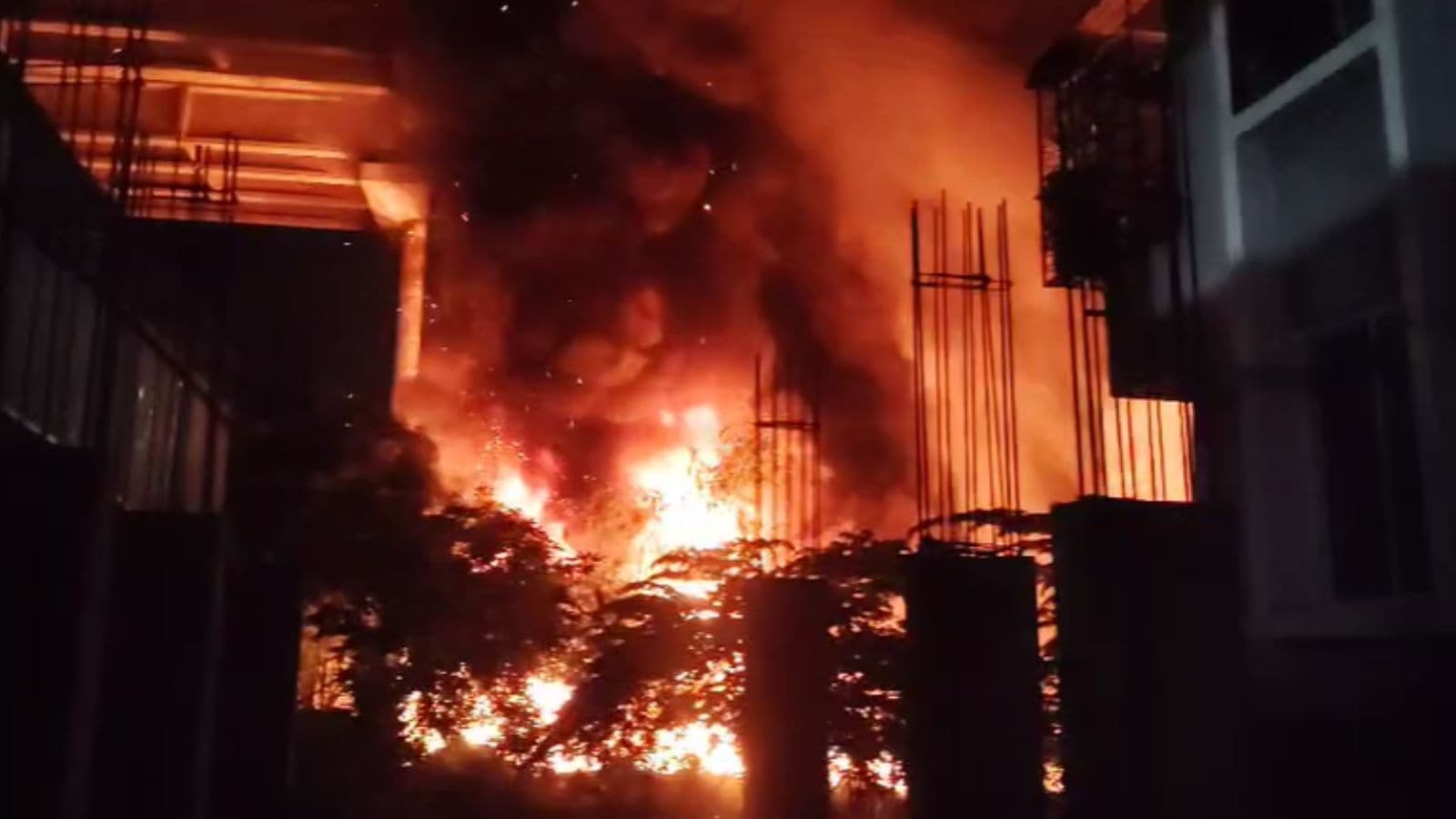
As temperatures soar and the mercury climbs higher each day, summer also brings a sharp rise in fire incidents triggered by electrical short circuits. The dry foliage around the historic ‘Shaniwar Wada’ fortification in Pune city catching fire on Thursday afternoon, leading to minor damage to its ‘Narayan Darwaja’, is a distressingly apt example.
Data from the past three years shows a clear spike during March, April, and May. Here’s a closer look at the trend and the precautions citizens can take to prevent such fires.

From the end of February this year, Pune has begun witnessing an upward trend in fire incidents in residential, industrial, and commercial establishments. Officials said data shows a consistent rise between March and May, though the increase typically begins around mid-February. The trend is attributed to several factors linked to rising temperatures.
During summer, the use of electrical appliances such as fans, air coolers, and air conditioners increases significantly across homes as well as commercial and industrial establishments. The higher load on electrical circuits can lead to overheating, a situation further aggravated by the high ambient temperatures. This often results in short circuits and sparking that can trigger fires. Officials also caution that enclosed spaces with tin roofs and walls heat up rapidly during summer, increasing the risk of fires. The danger is particularly high in cramped areas where unused materials such as paper, plastic, chemicals, clothes, old furniture, and solvents are stored.
Devendra Potphode, Chief Fire Officer, Pune, said, “Preventing such fires largely depends on three factors – managing electrical load, regular maintenance, and fire safety preparedness. Consumers in both residential and commercial sectors should keep their electricity usage within the approved load limits. It is also recommended that periodic maintenance of wiring, electrical equipment, vehicles, and industrial machinery be conducted, along with regular checks and cleaning of storage areas to remove combustible materials.”
Dry foliage and garbage fires
A senior fire station officer said, “With the onset of the dry spell in January and February, incidents of forest fires and fires involving dry foliage and garbage also begin to rise. The absence of moisture during this period leaves grass, leaves, and other organic waste highly combustible, making them easy to ignite. Even small sparks from discarded cigarettes, burning waste, or electrical faults can quickly trigger fires that spread rapidly.
“Strong winds and rising temperatures further accelerate the spread, particularly in open areas and on the outskirts of the city. The citizens are advised to avoid burning dry leaves or garbage in the open and to dispose of waste responsibly. Regular clearing of dry vegetation around homes, warehouses, and vacant plots can also help reduce the risk of fires spreading. It is also important for residents to immediately alert the fire brigade if smoke or unattended fires are spotted in open spaces.”
Story continues below this ad
The officer added, “In coordination with the Forest Department, controlled burning is carried out on hill slopes to reduce the accumulation of dry grass and vegetation, which can otherwise fuel forest fires. Officials also create fire lines – cleared strips of land that act as barriers to prevent flames from spreading across large areas. These measures help contain potential fires and limit their spread during the dry season. Regular monitoring of vulnerable hill areas and quick response teams further help in detecting and controlling fires at an early stage.”
Vehicle fires
Vehicle fires also see an uptick during the summer months, as high temperatures and prolonged use put extra strain on engines and electrical systems. Overheated batteries, faulty wiring, short circuits, and fuel leaks can easily trigger sparks that ignite fires. “Vehicles parked in direct sunlight are particularly vulnerable. It is advised that regular maintenance is conducted, overloading electrical circuits is avoided, and flammable materials are kept away from the engine and storage areas. Immediate reporting of smoke or unusual smells from vehicles can help prevent small issues from turning into major fires.” Potphode said.

Click here to join Express Pune WhatsApp channel and get a curated list of our stories
© The Indian Express Pvt Ltd
Source link
#City #heats #summer #heat #fires #Pune




