New Delhi:


Israel does not officially confirm it has nuclear weapons and has maintained this position for decades. This strategy is known in diplomatic shorthand as “nuclear ambiguity”. But if there is one location on the map that has made that ambiguity difficult to sustain for Israel, it is Dimona.
Shimon Peres Negev Nuclear Research Centre on the outskirts of this southern Israeli town is where Israel’s nuclear programme is widely believed to have been built. Western intelligence assessments, academic research, and the 1986 testimony of Israeli technician Mordechai Vanunu have collectively pointed to Dimona as the site where Israel produces plutonium, the fissile material at the core of a nuclear weapon. Vanunu had smuggled photographs to a British newspaper.
Israel has never confirmed this. It has also never denied it.
The facility is not subject to international inspections. Israel is not a signatory to the Nuclear Non-Proliferation Treaty. The IAEA has no standing there, so its statement on Saturday confirming no damage to the research centre was based on the absence of reports rather than on-site verification.
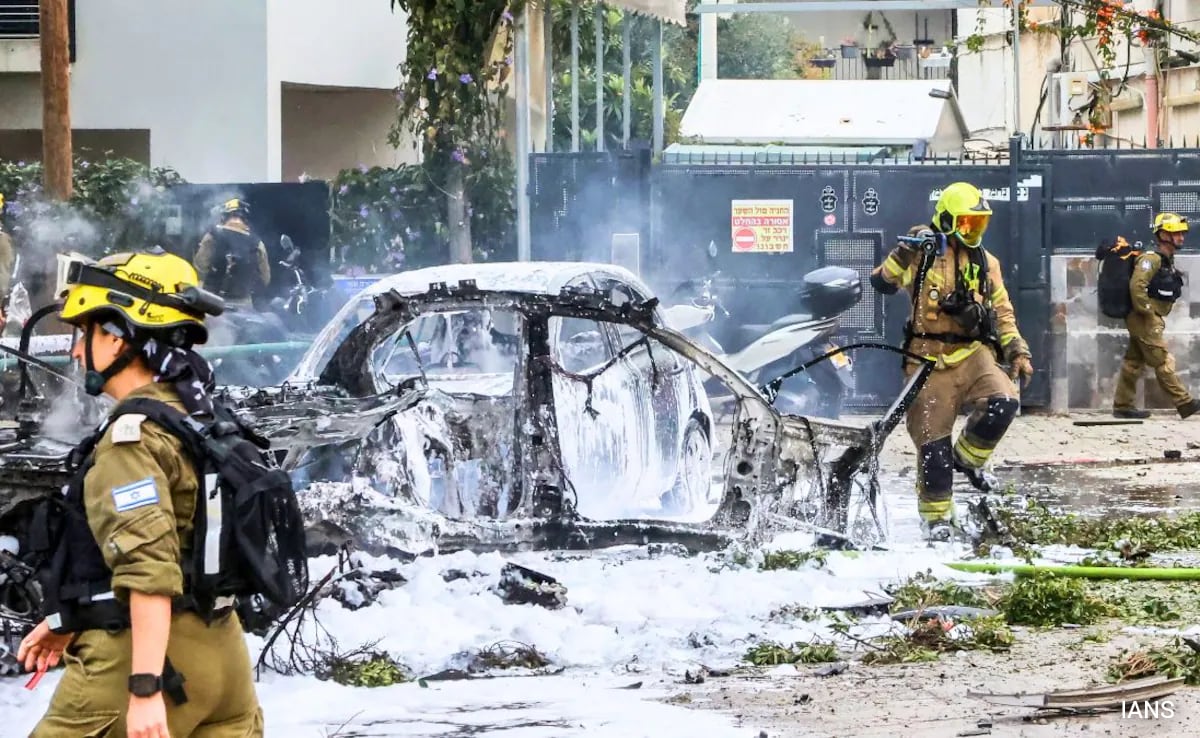
That is also the location Iran chose to strike, according to reports. Tehran said the attack was retaliation for an earlier strike on Natanz, the Islamic nation’s primary uranium enrichment facility. It has been targeted before, including in a 2021 sabotage operation widely attributed to Israel. Whether that attribution holds for the latest strike remains unconfirmed as the Israel Defence Force (IDF) denied responsibility.
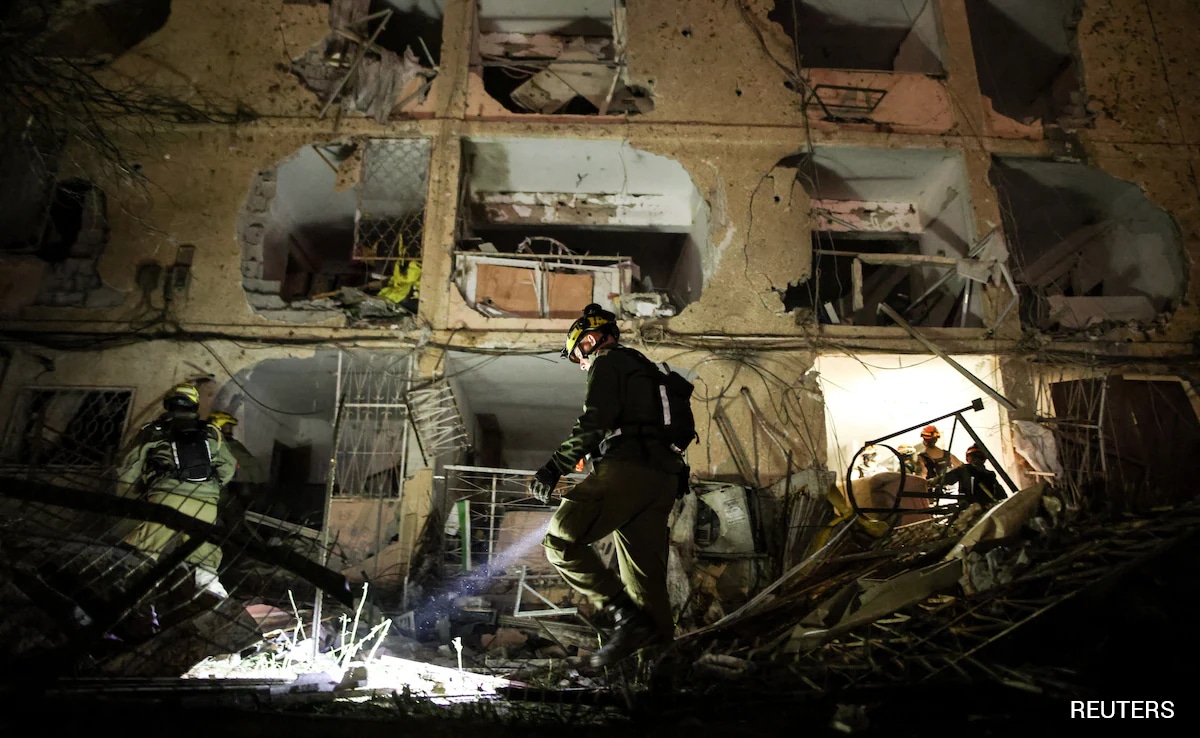
But Iran’s choice of target does not appear to be incidental. Striking Dimona even without penetrating the nuclear facility itself carries a message that a strike on a military airbase does not.
Iran also demonstrated its capability to reach a location that Israel sees as existentially sensitive. The missile evaded Israeli air defences entirely. The IDF has confirmed its interceptors failed.
For decades, Israel has assumed that its nuclear infrastructure is unreachable, protected by geography, air defence layering and deliberate ambiguity about what exactly needs protecting.
A ballistic missile landing in Dimona does not destroy the facility, but it stress-tests the installation in public in a way that would be studied carefully, both in Tehran and Washington.
The IAEA called for maximum military restraint. Forty-seven people were injured in the strike.
Source link
#Irans #Missile #Strike #Dimona #StressTests #Israels #Nuclear #Ambiguity