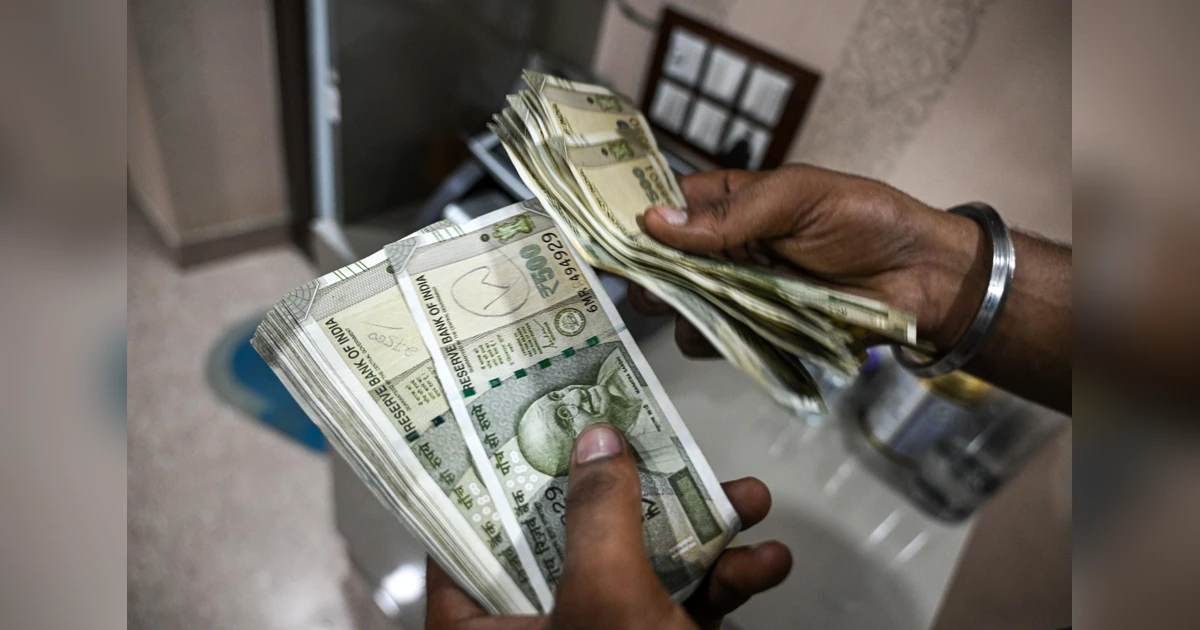
A recent post on LinkedIn flagged changes in banking rules that from April 1 could increase service costs and transaction times as lenders implement instructions from the Reserve Bank of India (RBI).



“The difference between a smooth banking experience and constant friction and charges… is not your bank. It’s your awareness,” said Vijay Maheshwari, founder at Stocktick Capital, on LinkedIn.
According to RBI guidelines and banks, safety rules will be strengthened as digital transactions surge and fraud risks rise.
Two-factor authentication (2FA) is already mandatory for digital transactions. This means OTP is not sufficient — it must be paired with a password, mPIN or biometric.
Banks are increasingly using risk-based authentication, which adds extra verification steps for large or unusual transactions.
Customer protection rules on fraud, including zero liability in certain cases, are governed by RBI’s 2017 circular.
This means more checks, more alerts, and occasionally delayed transactions.
Where costs could rise: ATM and UPI withdrawals
The most tangible change for customers comes from bank-level revisions to ATM usage rules, especially around UPI-based cash withdrawals.
RBI allows a minimum number of free ATM transactions per month (typically five at own-bank ATMs).
Beyond this, banks can charge up to Rs 23 plus GST per transaction.
From April, some banks such as HDFC have indicated that UPI-based cardless ATM withdrawals will be counted within the same free transaction limit.
This means frequent users of UPI cash withdrawals could hit their monthly cap faster, leading to incremental costs.
Estimated impact:
Moderate users: Rs 200–400 annually
Frequent users: Rs 500–800 or more
Lower withdrawal limits for some customers
Another key change is bank-specific reduction in daily ATM withdrawal limits.
Punjab National Bank (PNB), for instance, has revised limits on select debit cards effective April 1, 2026:
Some cards: Rs 1 lakh to Rs 50,000 per day
Premium cards: Rs 1.5 lakh to Rs 75,000 per day
These are not RBI-mandated caps but internal bank decisions based on risk and cost considerations.
Implication: Customers relying on high cash withdrawals may need to split transactions or shift to digital modes.
Fraud protection remains
RBI’s framework on unauthorised transactions continues to offer strong protection, but only if customers act quickly:
Zero liability if the bank is at fault or the issue is reported within 3 working days
Limited liability if reported within 4–7 days
Higher exposure if reporting is delayed further
Banks are also required to provide 24×7 reporting channels, but delays in reporting can directly translate into financial loss.
Why this shift is happening
The changes reflect three structural trends:
Rising digital transaction volumes (especially via UPI)
Higher fraud risks, requiring layered authentication
Cost pressures on banks, leading to stricter recovery of ATM usage charges
The result is a system that increasingly rewards informed behaviour and penalises passive usage.
Who should pay closest attention
Frequent ATM users, especially those using UPI for cash withdrawals
Customers of banks revising withdrawal limits (such as PNB)
Individuals who do not regularly monitor bank alerts or statements
Cash-heavy users, including small business owners and retirees
What you should do now
To avoid unnecessary costs and disruption:
Track ATM usage (including UPI withdrawals) within your monthly free limit
Enable all authentication layers, including biometrics
Monitor alerts actively and reconcile transactions regularly
Report suspicious transactions immediately
Reduce reliance on repeated small cash withdrawals; use digital transfers where possible
Source link
#Banking #April #1Ignoring #cost #year