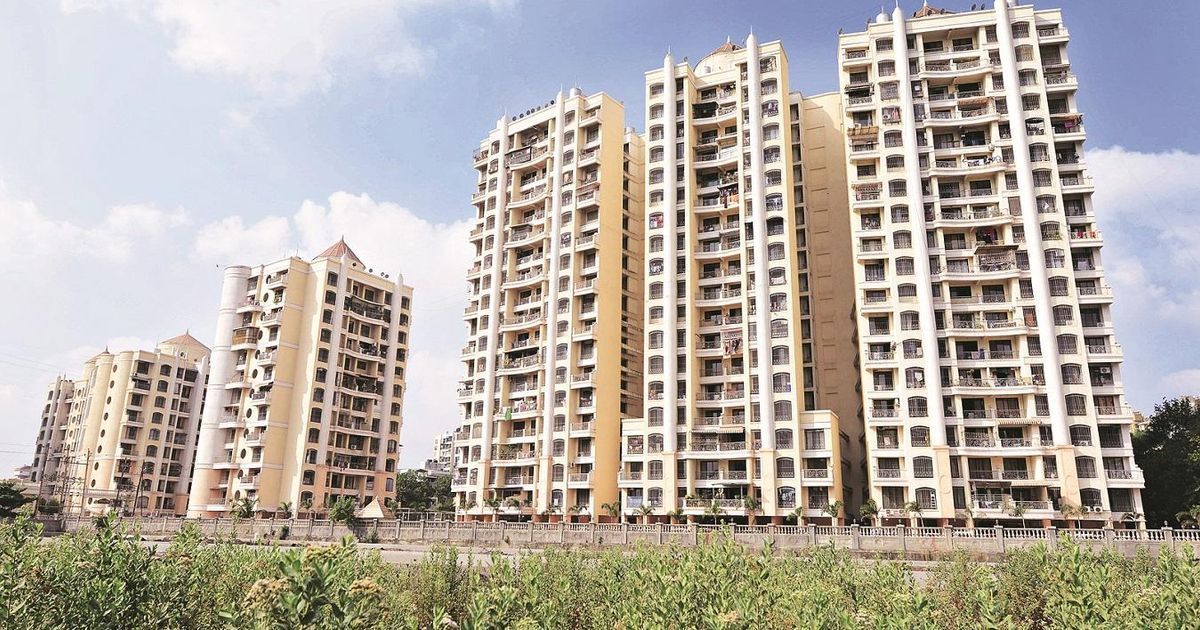
For thousands of homebuyers in Uttar Pradesh, being stuck in an unregistered project has meant one thing—no clear way to seek justice. That may now be changing.



The Uttar Pradesh Real Estate Regulatory Authority (UP RERA) has introduced a fresh set of rules that directly address this long-standing problem, giving buyers in such projects a legal pathway to file complaints and seek relief.
The changes, which came into effect from March 25, are part of the 10th amendment to its regulations and are aimed at making the system more transparent and buyer-friendly.
The biggest relief: You can now complain—even if your project isn’t registered
Until now, many homebuyers were stuck in a grey area.
If a builder had not registered the project under RERA—a legal requirement in many cases—buyers often found themselves unsure whether they could even approach the authority. This ambiguity worked in favour of errant developers.
The new rule changes that.
Homebuyers in unregistered projects can now file complaints with UP RERA, and these will be formally heard. The authority will first examine whether the project should have been registered. If it finds that registration was required, action will be initiated against the developer—and the buyer’s complaint will then be examined on merit.
For buyers, this means one crucial thing: you are no longer locked out of the system just because a developer failed to follow the law.
The Uttar Pradesh Real Estate Regulatory Authority on Thursday notified the 10th amendment to its General Regulations, 2019, introducing key consumer-centric provisions, including relief for buyers in unregistered projects and a cap on transfer-related charges.
The amendments, issued under Section 85 of the Real Estate (Regulation and Development) Act, 2016, came into effect from March 25, 2026, and aim to enhance transparency, accountability and consumer protection in the real estate sector.
As part of the changes, UP RERA has amended Regulations 24 and 47.
Under the revised Regulation 24, the authority has clarified long-pending ambiguity regarding whether allottees in unregistered projects can seek relief under RERA. The amendment provides that complaints from such allottees will now be heard by the authority’s benches as per the prescribed procedure, according to an official statement.
The benches will first determine whether the concerned project was required to be registered under the Act. If found necessary, appropriate action for registration will be initiated separately, following which the complaint will be examined on merits and relief granted as per law, it stated.
What you’ll need to do
Since unregistered projects often lack proper documentation, buyers may have to provide additional details while filing complaints. To streamline this, UP RERA is expected to introduce a dedicated complaint format—Form M—on its portal.
While this may require some extra effort from buyers, it finally gives them a structured way to pursue their case.
Why this matters so much
In the past, unregistered projects were one of the biggest risks in real estate. Developers could delay projects, change plans, or fail to deliver—and buyers had limited legal recourse. Many such cases dragged on without resolution because they fell outside the formal regulatory net.With this amendment, that loophole is effectively being closed.
The move brings:
-
Greater accountability for developers -
Legal clarity for buyers -
A wider safety net within RERA -
Second big change: Cap on transfer charges
The amendment also addresses another everyday pain point—high and often arbitrary charges when transferring property ownership.
Now, UP RERA has clearly defined the limits:
If the original buyer passes away and the property is transferred to a family member, the builder can charge no more than ₹1,000 as a processing fee, provided all required documents are submitted.
For transfers to non-family members, the fee is capped at ₹25,000.
This is a significant step, as buyers earlier often faced unpredictable and sometimes excessive charges during such transfers.
UP RERA Chairman Sanjay Bhoosreddy said, “The amendments are aimed at making the grievance redressal mechanism more transparent, effective and consumer-friendly.”
Simpler process, less paperwork
Another welcome change is that no fresh agreement will be required during such transfers. Instead, the developer will simply update the existing agreement with an endorsement. This reduces paperwork, speeds up the process, and avoids unnecessary legal complications.
Source link
#Stuck #unregistered #housing #project #RERAs #rules