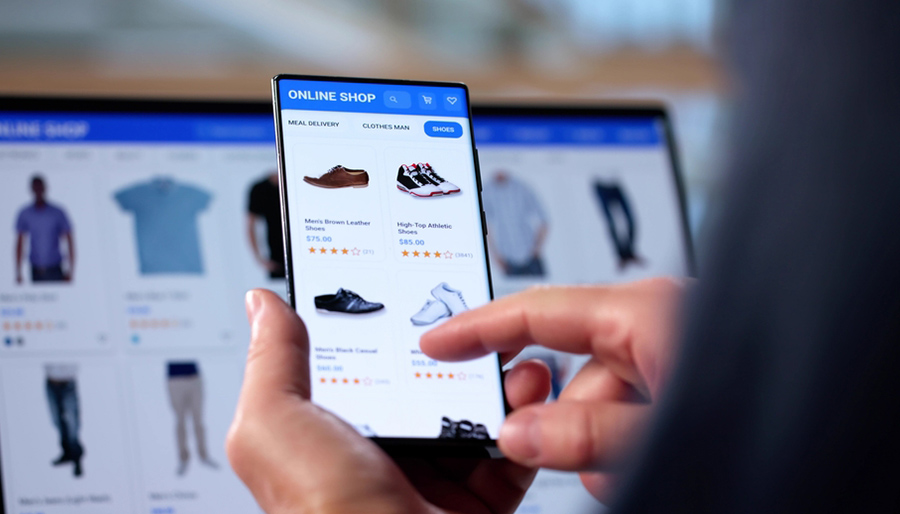
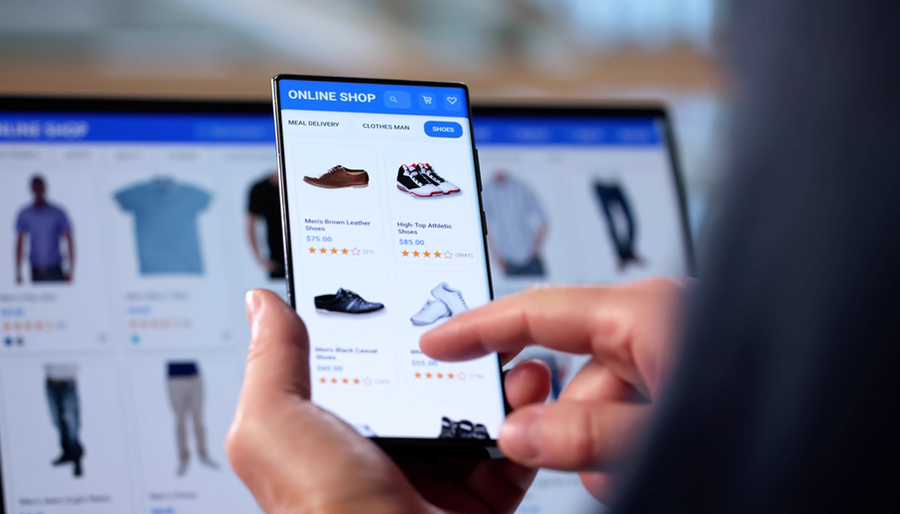
A new survey from Kantar contends that one-third of online shoppers would favour direct purchases from AI platforms, rather than clicking through to a retailer’s website. The results come just as platforms including ChatGPT are walking back their grand designs for becoming a storefront, however, following underwhelming results in the retail space.



Between 13 and 19 January 2026, marketing and consulting firm Kantar conducted a survey of over 2,000 respondents from a UK nationally representative panel, for its AI barometer service. New data released from that study pointed to the purported “growing influence” of AI technology over the shopping habits of consumers.
According to the researchers, 41% of people were “all in” on AI – being “excited by AI’s possibilities, fully trusting and embracing it”. And while one-in-four consumers would now ask AI for product recommendations, the all-in group made up half of that number. At the same time, they made up a substantial portion of the third of respondents who said that they would now buy directly through Chat GPT and other generative AI tools rather than click through to a retailer website.
Steve Dell, brand consultant at Kantar, explained, “It’s clear that AI is already rewiring the shopper journey and businesses need to adapt fast to keep up. However, one size certainly doesn’t fit all and teams should be consumer, not capability led – doing what’s right for the brand and its audience and meeting them where they’re at, rather than forcing the latest tech on people just because it’s there.”
Walking back
The shoppers Kantar spoke to may need to temper their enthusiasm, however, which seems not only out of step with people actually using AI platforms for this service; but with the service those platforms are actually willing to provide.
When ChatGPT announced in 2025 that it was planning to roll out direct purchasing on its platform, without needing to exit its platform, it triggered a wave of excitement for OpenAI’s flagging hype-train. A raft of comment pieces declared the plans would render “the old playbook” for brands looking to market their products obsolete, and produce “a fundamental restructuring of how brands compete for customers.”
In September, “Instant Checkout” for ChatGPT launched with the promise of allowing users to browse products from selected retailers and complete purchases without leaving the chat window. Partnerships with Shopify, Etsy, and other large shopping platforms like Walmart and Target followed, in a show of the effort’s ambition. But as has so often been the case around this technology, the reality has fallen well short of those expectations.
As reported by The Information, OpenAI’s data showed few users actually finalised their purchases inside the chatbot, even though many of them used it to browse for products. Providing live prices and other data on millions of products – which, if inaccurate or outdated could cause a transaction to fail – from countless merchants is an expansive, and costly undertaking to say the least – and so those muted results may have been deemed too much trouble to handle. As such, just six months on, ChatGPT is walking back its commitments to plan to allow users to buy products suggested by ChatGPT directly inside the chatbot. Instead, the company will route users to a connected third-party app.
“We are evolving our commerce strategy within ChatGPT to better meet merchants and users where they are,” an OpenAI spokesperson told The Information. “Instant checkout is transitioning to apps, where purchases can occur more seamlessly.”
While this is not necessarily a complete retreat from the retail space, it does put paid to the idea that shoppers would be able to directly purchase goods within AI chats through a seamless interface. And if shoppers are still set to be bothered with an extra step to their purchases, the question as to why that extra step would be better with a ChatGPT-adjacent app, rather than the actual retailer, is a question which currently has no obvious answer.
Recommendations
Proponents of the technology would still point to the fact that shoppers seem increasingly enthused about AI technology as a means to find new products – something which may yet change how online retail functions. And to that end, Kantar found that 15% of those polled would assume a brand was wrong for them, if AI didn’t suggest it when prompted.
At the same time, consumers are most likely to turn to AI for travel and tourism purchases, ahead of sectors like grocery, fashion and telecoms, with 43% already at least using it to find out more about what’s on offer, for price comparisons and for customer service enquiries.
However, that is still far and away behind the weight which consumers place on uniquely human content. For the longest time it has been clear that the vast majority of online shoppers determine whether to engage with a product depending on the reviews of other customers – seeing the metric as something beyond the realm of paid advertising, with authentic evidence as to how the purchase might impact their own lives.
In comparison, Kantar found that while people may increasingly want brands to offer AI functions or to be discoverable to support purchases, there is some wariness too. A not-insignificant 41% told the researchers that they suspected brands recommended by generative AI paid to be there – and with platforms now introducing advertising as a means of bolstering their ultimately loss-making business models, those fears are unlikely to fade in the coming period.
Source link
#Consumers #keen #direct #purchasing #platforms #Kantar #claims