

Despite growing emphasis on wellbeing in the workplace, the majority of employees still feel their companies are not providing the right kind of support. A paper from Zest and Epassi suggests that close to two-thirds of young staff are now demanding more wellbeing support from their employer – while seven-in-10 could leave roles if this is not provided.



According to the World Health Organisation, poor health – and mental health – reduces national GDP by 15%, almost twice the 8% hit to GDP that the pandemic had. This has seen a large shift in the reported priorities of corporate management in recent years, with firms clamouring to show that they each have tailored policies to support the mental health and wellbeing of their employees.
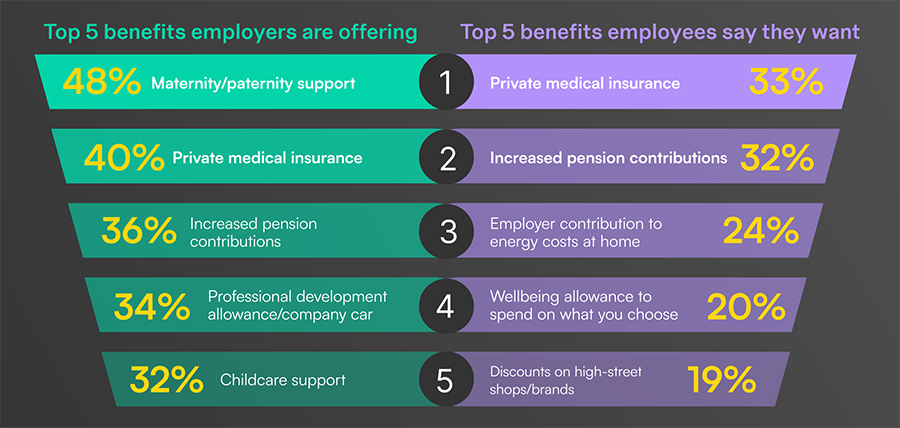
Whether the majority manage to walk that talk is another question entirely. New research from Zest and Epassi found that when asked about their ideal benefits package, 30% employees listed private medical insurance, 21% listed a wellbeing allowance to spend on what they choose, and 15% wanted paid mental health leave. But while 49% of employers claimed to have invested more into these kinds of benefits, the impact of that is rarely felt by staff.
Source: Zest
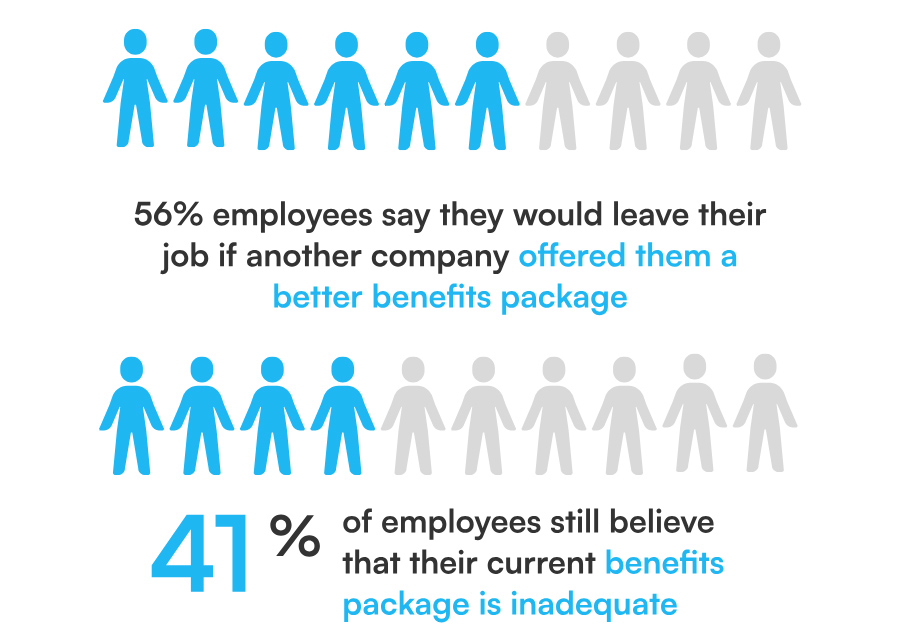
Of the 2,000 adults surveyed, only 41% employees of all ages feel that their employer cares about their wellbeing with 44% believing their benefits package supports mental health. A majority of 58% of employees thought their benefits package was inadequate last year, with 70% admitting that they’d leave their job if another company offered them better benefits.
Meanwhile, 59% of young employees said they would demand more wellbeing support from their employer – with 64% of employees aged 18-34 believing this type of support is just as important as financial wellbeing. Looking ahead, employers who fail to offer the benefits their workforce are calling for are at risk of missing out on or losing talent – particularly among the next generation.
Source: Zest
Matt Russell, CEO at Zest and Epassi UK, commented, “Aligning with wider societal trends, younger generations are now increasingly calling for greater wellbeing support at work – employers, however, are falling short when it comes to matching this demand. To meet employee needs and attract and retain the next generation of talent, employers must enhance their wellbeing offerings. Simply investing in benefits is clearly not enough – understanding what type of support workers want, implementing changes and communicating what’s on offer effectively is key. Not only will this improve employee support and morale but also drive business growth and productivity.
And while employees see this as “as important” as financial wellbeing, this should not diminish from the mental health impacts that a lack of financial wellbeing can have on the workforce. Nearly half of UK employees say they have missed a bill payment as a direct result of inaccurate payroll, according to previous studies, which also found that 65% of workers having felt their mental health was impacted by their finances – a similar number to those who feel under-supported by bosses when it comes to their wellbeing in general.
Source link
#Threeinfive #young #employees #demand #wellbeing #support #employer