-
While many precious metal investors find gold appealing because of its historical role as a store of value, silver is a strategic metal that has numerous industrial applications.
-
Investment-grade physical silver is at least 99.9% pure, but investors looking to diversify with the precious metal can also turn to silver mining stocks and silver-backed exchange-traded funds (ETFs).
-
While physical silver can act as a safe-haven asset that adds diversification to a portfolio, it does not produce yield and its price can be volatile in the short term.



While gold may be the most popular precious metal among investors, silver is also a strong-performing alternative asset worthy of your consideration. While many precious metal investors find gold appealing because of its historical role as a store of value, silver is a strategic metal that has numerous industrial applications spanning industries from renewable energy and aerospace to medical supplies and water treatment applications.
In addition to serving as a form of currency, silver is also more affordable than gold. And like gold, silver can provide a safe haven during times of elevated stock market volatility while acting as a hedge against inflation. The precious metal remains a highly sought-after commodity, and so far this year, it has outperformed the price of gold by more than threefold.
Below, we explore the best ways to invest in silver as well as the benefits and risks you should consider before adding it to your portfolio.
Table of Contents

The best ways to invest in silver
There are many different investors can gain portfolio exposure to silver. Before deciding to invest in this precious metal, make sure you consider your broader financial goals, timeline and risk tolerance. These factors will help you determine the most financially advantageous way for you to invest in silver.
If you’re still unsure about whether or not the investment is a good choice for you after studying this guide, discuss previous metals investing with a financial advisor. Your best bet is to consult with a fiduciary, who is required to recommend what is in your best interest and who understands the value of investing in precious metals as much as other asset classes.
Silver bullion
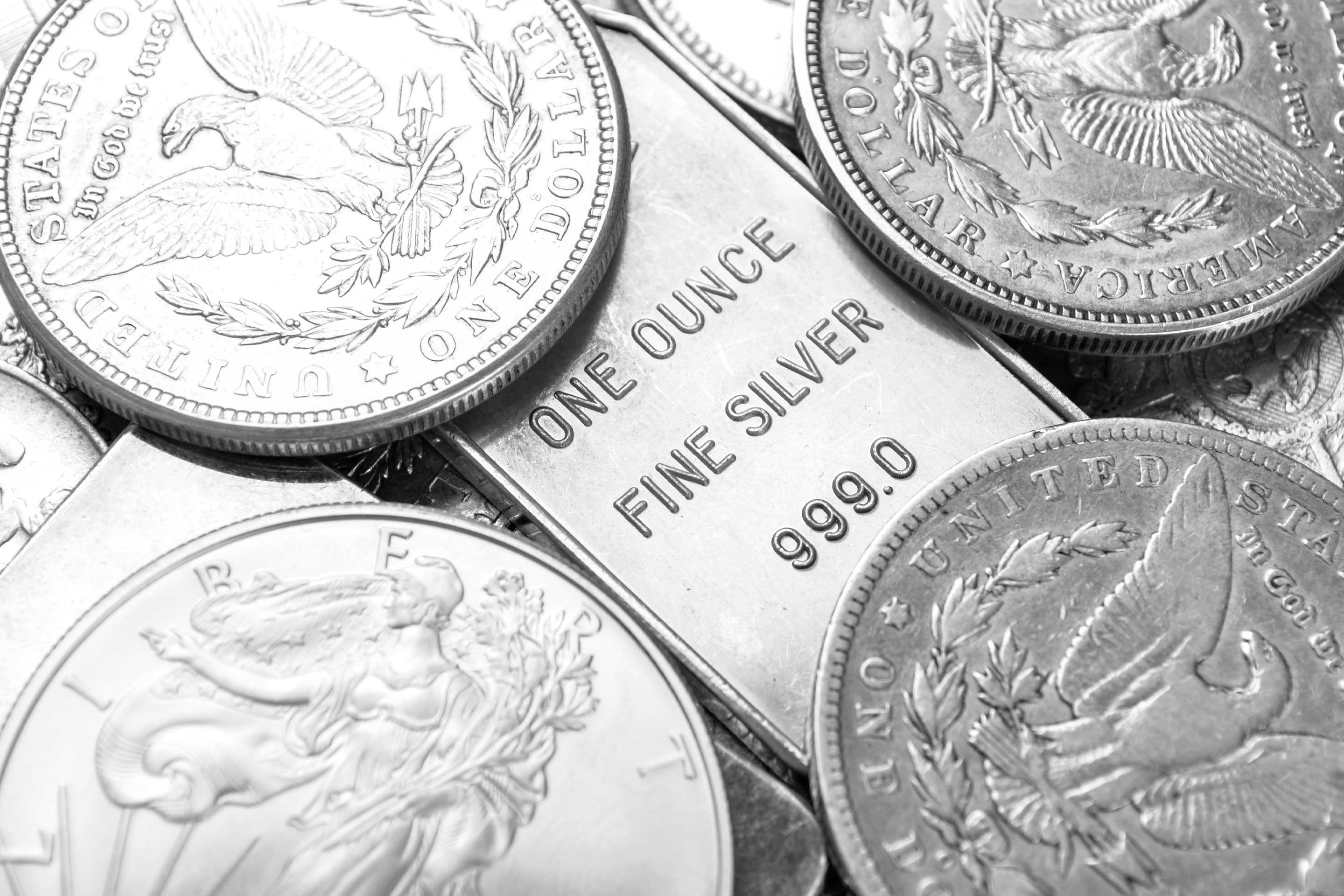
Buying silver bullion — ingots, bars, coins and rounds — or collectible minted silver coins is the most straightforward way to buy silver. Investors may want to purchase silver coins and bars to supplement a portfolio of paper assets, such as stocks and bonds. However, be aware that investing in physical assets creates unique conditions for investors, including storage needs and lower liquidity.
How to invest in physical silver
Investment-grade silver is at least 99.9% pure. You can buy fine silver bullion from online precious metals brokers, as well as from storefront dealers, pawn shops, some jewelry stores and specialty retailers.
If you want to buy silver bullion coins or bars, acquaint yourself beforehand with the spot price (i.e., the current market value) of silver. While coins are marked-up to reflect their rarity and condition, the price of pure silver bullion is based on the value of the metal itself.
Each type of silver purveyor comes with its own advantages and disadvantages. Online dealers typically offer a wider selection and a secure way to purchase metals. However, they often charge markups on silver products, which can vary depending on the dealer’s business model. Local coin shops, on the other hand, provide the convenience of immediate exchanges; you can walk out with your silver the same day, but their inventory is often limited as they cater primarily to a local market.
It is important to note that all precious metal dealers charge different premiums based on their approach, and the range of fees will reflect chargebacks to customers to help them recover their cost of doing business. Premiums can be especially steep for limited-edition collectible coins which may not always guarantee a return on investment, even over the long term.
As an investor, understanding the difference between a product’s value and its spot price is crucial. Some items — like a 1 oz. Silver American Eagle — carry a higher premium due to their desirability and recognition compared to standard 1 oz. silver bars. Always consider the balance between product type, premium and potential resale value when choosing where to buy.
- High-purity silver bullion can be added to gold individual retirement accounts (IRAs) as part of a diversified portfolio.
- Buying silver bullion can eliminate the middleman that other investments may have.
- Silver bullion is a hedge against inflation and economic downturns, acting as both a store of value and a portfolio diversifier.
- Purchasing physical silver can involve additional costs, like storage fees, insurance and mark-ups.
- Banks’ FDIC insurance policies only covers deposited funds and not the items in your safety deposit box, like physical silver.
- Physical silver is not as liquid as other silver investments, like shares of silver mining companies or shares of silver-backed exchange-traded funds.
- Physical silver does not generate yield like shares of established silver mining companies can.
Silver mining stocks
If having to store bulky silver bars or coins doesn’t sound appealing, investing in stocks of silver mining companies may be a better fit for your investment style. Companies that mine silver generally do so either as a supplement to gold mining, or they mine silver along with other industrial commodity metals, such as aluminum and copper.
Investing in silver companies provides you with the benefits of investing in this precious metal without having to own the physical metal yourself. However, like any other investment, you should conduct your own due diligence on the company’s management history and current operations since those are always risks with publicly traded companies.
How to invest in silver stocks
Finding silver company stock to buy isn’t quite as straightforward as picking the stocks of gold mining companies. Companies that mine silver might not exclusively — or even predominantly — focus on that metal. If your goal is to invest in silver, research mining companies’ holdings and operations in order to determine how much of their business is actually in silver as opposed to other metals.
Investing in silver stocks is done the same way you would invest in other stocks. You can use an online trading platform or stockbroker. You can also buy stocks in precious metals streaming companies, which are firms that provide financing to the companies that actually perform the mining operations.
- Unlike physical precious metals, silver mining stocks can pay dividends, meaning your investment is income-producing.
- Shares of silver mining stocks have higher liquidity than the physical precious metal offers.
- Silver mining stocks do not require the ongoing storage and insurance fees that physical silver does.
- Silver mining stocks can be highly volatile, often exhibiting greater price swings than physical silver.
- The price of silver mining stocks are subject not only to the market price of silver but also the companies’ financial management, which presents an additional risk factor.
- Not all silver mining companies focus solely on the extraction and production of silver.
Silver ETFs
Exchange-traded funds (ETFs) are buckets of securities, like stocks or commodities, that investors can trade throughout the day with an ordinary brokerage account. Silver ETFs hold silver-backed assets. With ETFs, you are not owning physical silver but merely gaining exposure to its price movement, which may be more convenient for investors who prefer not to store the physical metal. Some ETFs, such as iShares Silver Trust, hold physical silver bullion, while others, such as Global X Silver Miners ETF, hold stocks of silver mining companies.
How to invest in silver ETFs
You can buy and sell silver ETFs with an ordinary brokerage account. These trading platforms and apps have resources available to help you research the composition and performance of an individual silver ETF before making a purchase.
- Silver ETFs offer broader exposure than the stocks of individual silver mining companies.
- Like silver mining stocks, silver ETFs provide superior liquidity compared to the physical precious metal.
- Like owning silver mining stocks, silver ETFs do not require the ongoing storage and insurance fees that physical silver does.
- Silver ETFs that are backed by the physical metal do not pay dividends like silver mining stocks can.
- Because of their specialized nature, silver ETFs can carry higher expense ratios (i.e., the costs of managing and administering a fund) compared to other ETFs.
- Physically silver-backed ETFs aren’t taxed by the IRS as standard shares, but rather as collectibles, meaning they are subject to less favorable tax treatments.
The benefits of investing in silver
Investors seeking out alternative assets might find attributes of silver appealing. Like other precious metals — including gold, platinum and palladium — silver can serve as a hedge against inflation and changing interest rates. It can help protect your portfolio from market volatility.
Wealth preservation
One of the key benefits of silver is that it’s a store of value. It’s also a sought-after commodity across multiple sectors of industrial supply chains. Investors often seek out precious metals because they likely won’t lose value when inflation rises. Some silver-backed assets can even be bought and held in a silver and gold IRA, potentially helping to preserve the value of your retirement nest egg.
A safe-haven asset
Like other precious metals, the value of silver tends to move inversely to the stock market. During times of market turmoil — such as a pandemic or recession — when stocks tumble, silver may hold or even grow its value as investors flock to these kinds of assets.
Portfolio diversification
Silver is used in a wide range of goods, from medical supplies to car parts to solar panels. You can buy physical silver or stocks in silver companies or invest in funds that hold silver-backed assets. Adding silver investments to your portfolio will help diversify your investment spread. Diversification is important because it helps reduce your risk of losing money on your entire portfolio when one area takes a hit.
The drawbacks of investing in silver
No income generation
Silver doesn’t generate income in the form of interest or dividends, so even if you plan to buy and hold silver long-term, the only increase in value you’ll realize is when you sell it. Investors who buy stocks and bonds benefit from the value appreciation that comes from compounding over time, but silver, like other precious metals, also can’t add value to your portfolio via compound interest.
Price volatility
While investors use precious metals such as gold and silver to counterbalance stock volatility, the price of silver in the short term can be volatile and may even lose value. If you plan to buy silver, you likely want to approach it as a long-term investment so you won’t be forced to sell it at a loss.
Storage and insurance costs
Unlike a stock portfolio, silver bullion is bulky and can be at risk of theft. If you plan to invest in physical silver, you must factor in how much you’ll need to pay to store and insure that metal, whether you keep it at home or in a safe deposit box.
Is silver a good investment?
While silver had a strong performance in 2024, it remains undervalued compared to its peak of around $50 per ounce in 2011. If you’re trying to determine if investing in silver is the right move for you, you must consider your long-term personal finance goals, risk tolerance and timeline. Make sure to do your own research and seek information from well-regarded, unbiased sources — don’t depend on guidance from companies that make their money from selling silver. If you need investment advice, consult a financial advisor who is a fiduciary and is obligated to put your best interests first when giving you investment recommendations.
Investing in silver FAQs
Is it better to invest in silver than in gold?
Gold and silver — along with platinum and palladium — are considered part of the same asset class, so if you plan to only invest in one, you’ll want to consider your overall investing style. While investors usually consider gold a store of value, silver is more like other metal commodities in that its value is driven less by speculation and more by industrial demand from manufacturers of goods in sectors like healthcare, energy and transportation.
How much money should I invest in silver?
The amount of money you choose to invest in silver should be driven primarily by your portfolio’s value and existing composition. Most financial advisors recommend that no more than 5% to 10% of your portfolio be devoted to precious metals. It’s important to prioritize diversity: If your investments are overweight in silver, you could find your nest egg threatened by risk concentration.
What is the minimum amount I can invest in silver?
If you choose to buy physical silver, either as silver bullion bars or collectibles like silver coins or jewelry, your minimum investment will be determined by the spot price — the real-time market price — for one ounce of silver at the time you make your purchase. If you plan to buy silver stocks or invest in silver ETFs, the barrier to entry is much lower: Most brokerage apps let you buy fractional stock shares for as little as $1, and you can invest in an ETF by buying as little as one share. (The prices of those shares will depend on current market valuations and conditions.)
When is the best time to invest in silver?
Generally, investing experts recommend against trying to time the market when it comes to buying or selling silver. Instead, if you plan to buy silver over a period of time, you can use a technique like dollar-cost averaging to mitigate price fluctuations in the silver market to which you would otherwise be exposed.
Like other precious metals, silver should not be considered a short-term investment, particularly if you plan to buy physical silver coins or bars. Precious metals are less liquid than stocks, bonds or funds, and precious metals dealers tend to mark up the silver they sell. That means the value of silver will likely have to rise before you can even break even, let alone earn a return on your investment.
Summary of how to invest in silver
Silver is a popular precious metal for investors seeking portfolio diversification, a hedge against inflation and wealth preservation. Investment-grade silver is defined as having a silver content of at least 99.9% purity. You can buy physical silver bullion coins or silver bars from online dealers, jewelry stores or pawn shops, but make sure to factor in the expense of storing and insuring your precious metal. Storing it yourself eliminates external storage fees.
If you want exposure to silver but don’t want to buy the physical metal, you can invest in the stocks of silver mining companies or silver-backed ETFs. Many online trading platforms offer silver stocks and ETFs, and some may be available to buy and hold in an IRA. Silver ETFs that hold the stock of silver mining companies offer more diversified exposure than just buying stock in a single mining company, which can help mitigate risk. Silver ETFs backed by pure silver have less favorable tax treatment.
Before investing in silver, conduct your own due diligence, establish whether or not you want to invest in the physical metal or paper derivatives, select where you want to store it and decide the amount. Always seek unbiased advice and consider your personal financial situation and retirement goals before investing.
More from Money:
Best Gold IRA Companies
Best Online Gold Dealers
Beginner’s Guide to Investing in Precious Metals
Source link
#Invest #Silver