
Warning: Major spoilers for the Season 2 finale of “Daredevil: Born Again” follow.
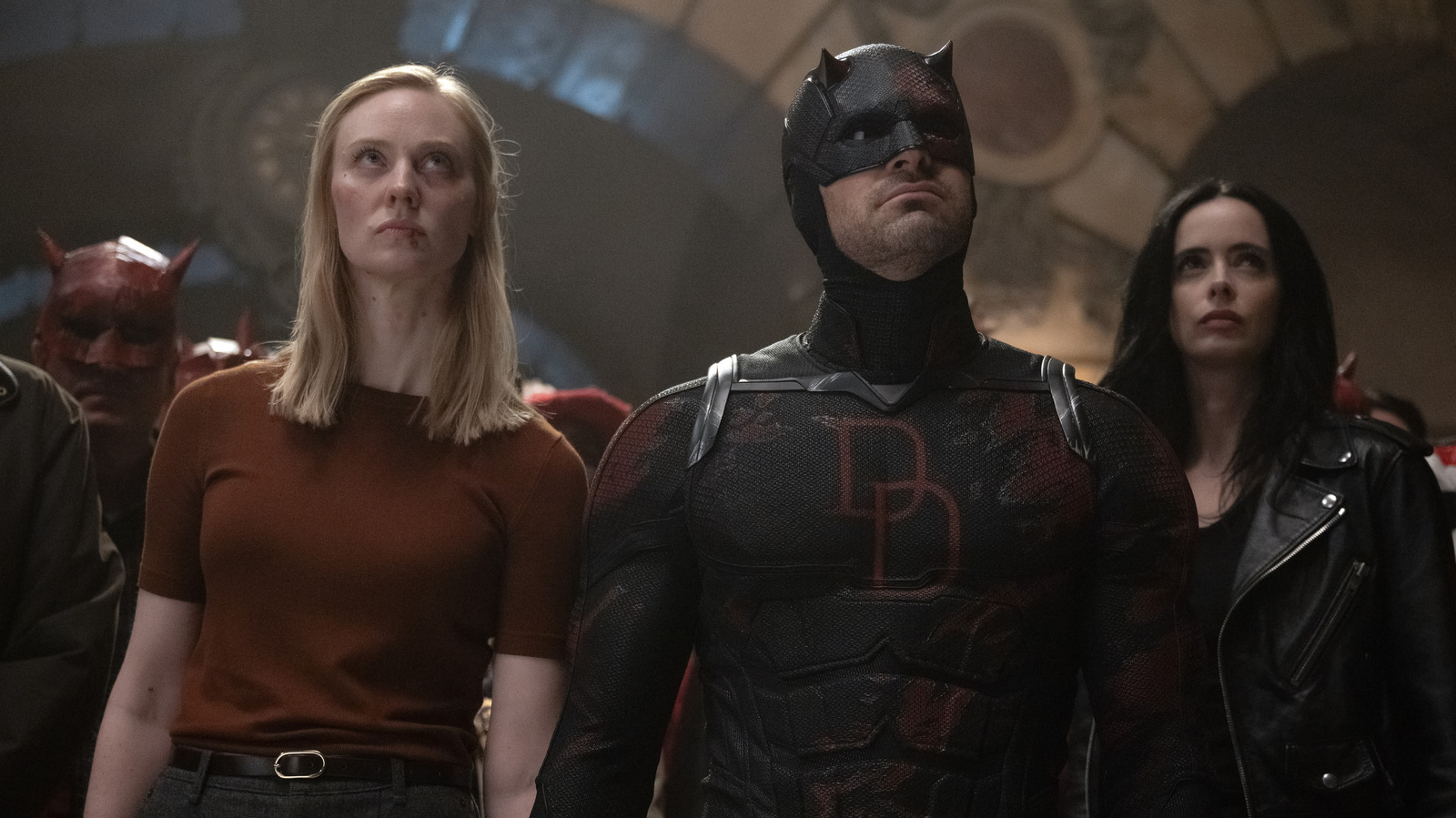
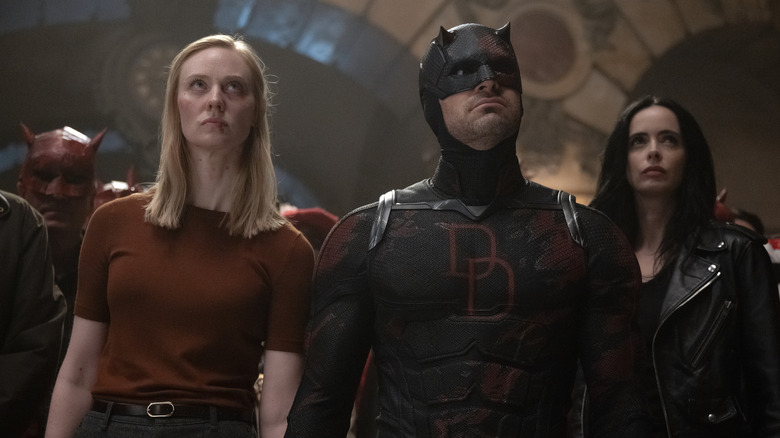
Charlie Cox’s Matt Murdock just unmasked himself to the world as the vigilante Daredevil, but somehow, that’s not even close to what’s likely to go down as the most talked-about aspect of the Season 2 finale. “Born Again” has been steadily building to an inflection point in the escalating war between our blind crimefighter and Vincent D’Onofrio’s villainous Mayor Wilson Fisk — who, up until recently, had enacted a complete stranglehold on New York City. The disastrous results of the Karen Page (Deborah Ann Woll) trial and the legal tide turning against him put an end to that, but the last half of the episode (titled “The Southern Cross”) doesn’t unfold quite how we would’ve thought. In fact, it’s bound to stand out as the most controversial choice of the season and, dare we say it, perhaps the Marvel Cinematic Universe as a whole.
But let’s back up first. Everything devolves into chaos when Fisk and his cronies try to leave the New York courthouse to regroup from their stunning setback. Wilson Bethel’s wild card Benjamin Poindexter/Bullseye has other plans, however, and his attempted assassination of Fisk results in a complete lockdown in the heart of Manhattan. With the disgraced Mayor sheltering inside and an army of Anti-Vigilante Task Force officers brandishing weapons outside, this doesn’t sit well with a horde of angry New Yorkers seeking justice.
What follows is the show’s most overt instance of political commentary yet. As the protestors attack the courthouse and gain access to the building, it’s all but impossible to ignore the parallels with the January 6 insurrection at the US Capitol. Was this a bold and ambitious choice … or a fundamentally misguided one in extremely poor taste? Let’s dig into it.
Daredevil: Born Again’s Wilson Fisk/Donald Trump parallels culminate with a reverse January 6 reenactment in the Season 2 finale
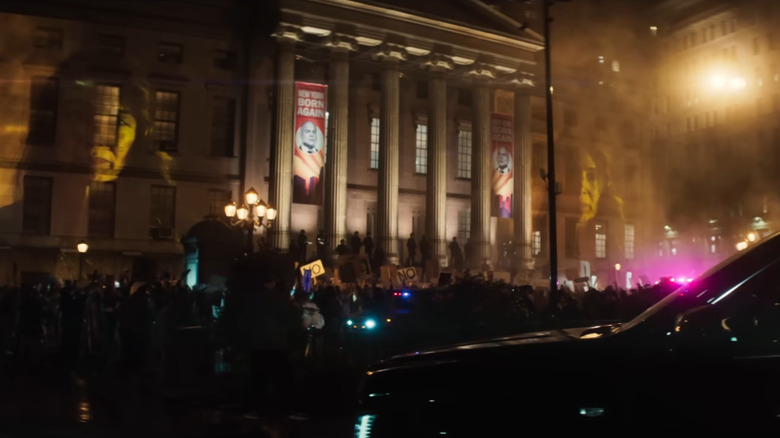
Say what you will about “Daredevil: Born Again,” but showrunner Dario Scardapane and his writers haven’t shied away from infusing a healthy amount of current events into the arcs of each season. The first season pulled from the real-life obsession with Punisher tattoos among cops, while the entire existence of the AVTF agents in Season 2 has drawn uncomfortable parallels with ongoing (and frequently illegal) ICE operations in the United States. Of course, the depiction of Fisk’s political machine couldn’t possibly be more blatant about which political leader it’s meant to evoke. Even setting aside all of the “Drain the swamp” rhetoric and “Make New York City Great Again” speechifying, previous episodes have depicted Fisk campaign flags on lawns lifted directly from the design and color palette of Trump flags — you know, just in case the similarities weren’t unsubtle enough.
This, however, is something else entirely. In what can only be described as a “reverse” January 6th, justifiably angry citizens, further incited by another “Mr. Robot”-like video courtesy of Genneya Walton’s whistleblower/journalist BB Urich, storm the New York City courthouse in an attempt to take the law into their own hands and wrest Fisk out of power. As inflammatory as that may sound, what else would you call the very pointed visuals of a mob laying siege to a government building, fighting past armed officers, and traipsing around the halls looking for political targets to lay their hands upon? Much of the action is even captured in cell phone footage and TikTok-style social media videos, tellingly enough!
Of course, when they find who they’re looking for, things then take a turn for the surreal … and not for the better.
Daredevil: Born Again Season 2 exposes the limits of superhero media
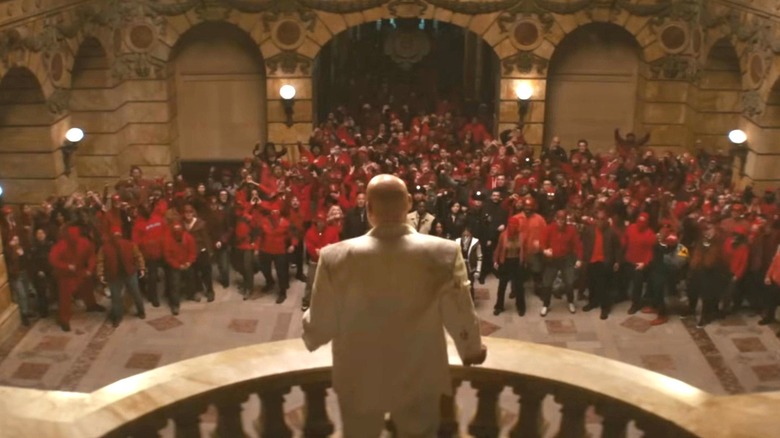
If you watched Wilson Fisk’s breezy confidence behind his Mayor’s desk in the premiere and predicted that the season would end with the ridiculous visual of him covered in blood and absolutely bodying helpless protestors against the walls of a New York City courthouse, congrats on winning your Marvel No-Prize award. It’s just too bad that vanquishing real-life villains like this is never as simple (or silly) as television makes it look. Now, it’s not entirely Marvel’s fault that our real world has become such an exercise in absurdity that no amount of trenchant social commentary or satire could hope to keep pace. (Although it’s worth noting that the fifth and final season of “The Boys” is currently doing a brilliant job of it.) But as much as superhero media in recent years has strived for a more “adult” approach beyond just socking bad guys in the jaw or lasering them through skyscrapers until they relent, this approach has its limits. “Daredevil: Born Again” just exposed them.
The more that the Marvel show blurs the lines between fictional fascism and the terrifyingly real version of it, the less convincing it all becomes. A rose-tinted read of how this sequence ends in “Born Again” would claim that this is a way to inspire us to reshape our own trajectory, take decisive action to make our voices heard, and hold corrupt leaders to account. Less charitably, whitewashing history (something we’re already very adept at doing ourselves) and bending reality to adhere to childish comic book logic where good always prevails is the last thing anyone needs right now. The implication that all it takes to defeat oppression is an unmasked vigilante moralizing and shaming a Kingpin into submission in the name of peace isn’t only painfully naïve, it’s downright insulting to anyone who’s lived through the last decade of politics, both in the US and abroad.
In its attempt to grasp for political meaning and gravitas, “Daredevil: Born Again” instead accomplishes the exact opposite — and makes us wish it never even tried in the first place.
Source link
#Daredevil #Born #Season #Controversial #Choice #Demands #Closer #SlashFilm