


A friend of mine, a senior officer in a government department in Delhi, cycled to his office this week. He has taken Prime Minister Narendra Modi’s austerity measures quite seriously.

How much difference one bureaucrat choosing pedals over petrol will make, we do not know, but as they say, little drops of water make a mighty ocean.
By the way, I have been using carpooling extensively for more than a decade. In a city like Mumbai, travel is all about convenience. I must say, I have also made a few good friends and shared peanuts and vada pav along the journey.
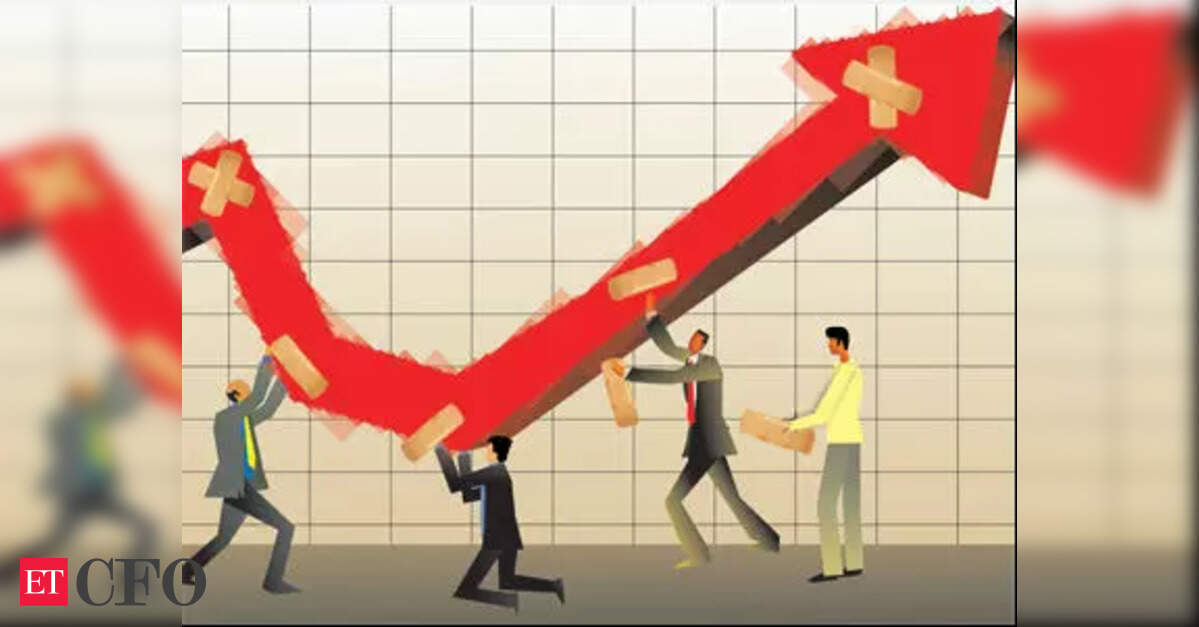
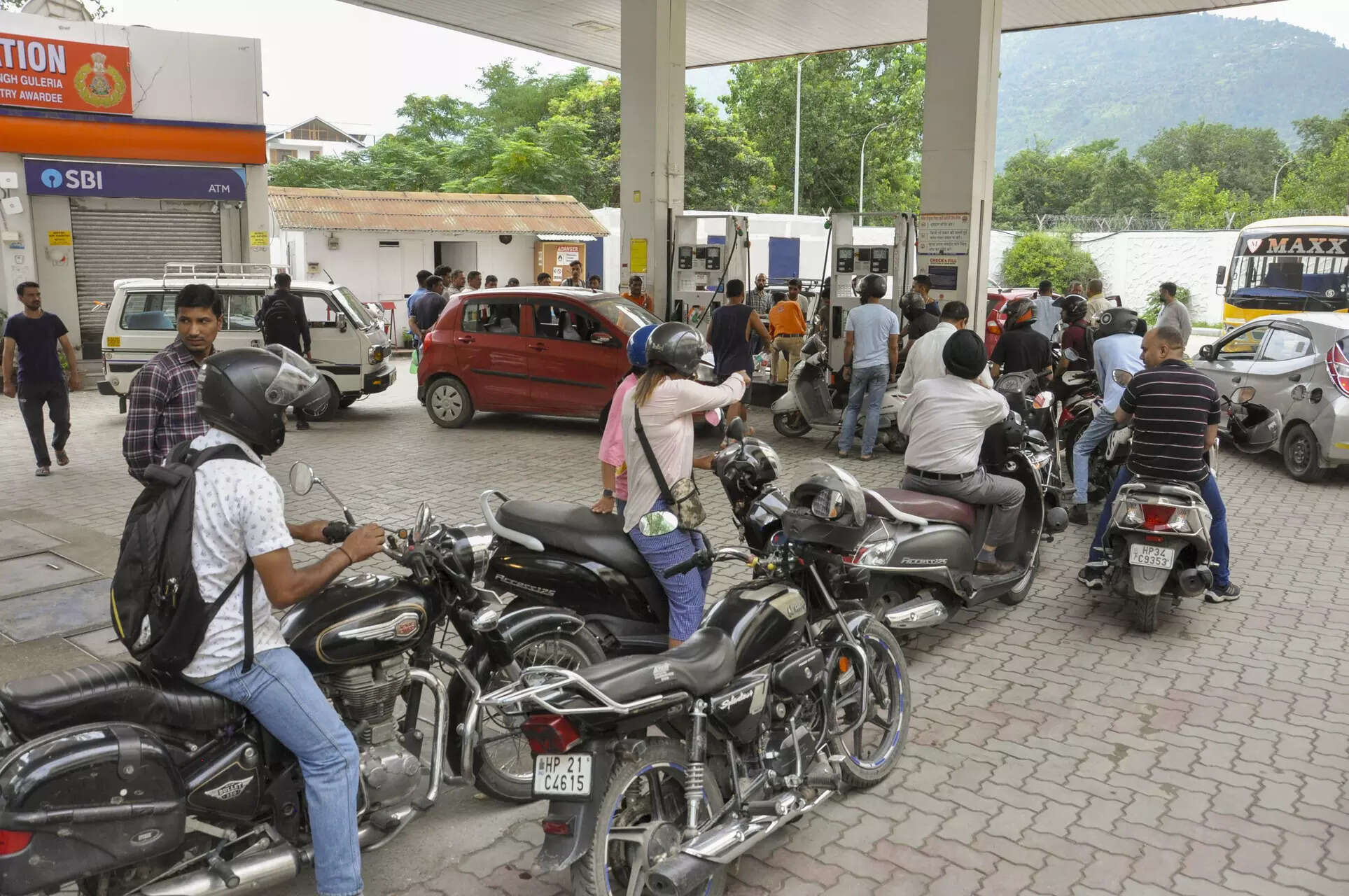
But at the moment, uncertainty is running high, and the larger question is whether we are slowly heading towards a crisis. The stock market is flashing worrying signals every day, swinging wildly between sharp rallies and steep declines. Ride-hailing cab fares have surged, queues are forming outside petrol pumps in several places due to panic buying, and fears over fuel shortages are beginning to spread. If such a situation escalates, supply chains could face serious disruption, and the economic consequences would be enormous.
Indian Economy — Amid the Ongoing West Asia Crisis
I have already written two columns on India amid the ongoing West Asia crisis, but what is now becoming increasingly visible is that the macroeconomic stability India enjoyed over the last few years may no longer remain insulated. Micro-level challenges always existed, but external shocks are now threatening to disturb the larger balance.
Veteran banker Uday Kotak observed this week that the war did not have much visible impact in the initial months, but the effects are now beginning to surface in a much bigger way.
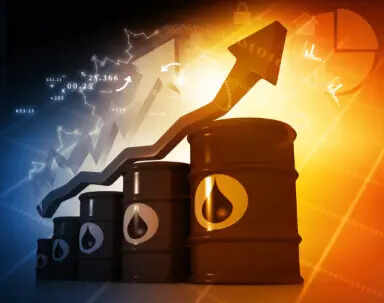
Morgan Stanley, in a recent report, warned that the pressure on India’s macro stability is likely to intensify if elevated oil prices persist. The brokerage expects headline CPI inflation to average 4.7 per cent year-on-year in FY27, alongside rupee weakness and spillovers into core inflation. It also estimates that higher crude oil prices could widen India’s current account deficit to 1.8 per cent of GDP, while slower capital inflows may keep the balance of payments in deficit for a third consecutive year.
Similarly, Nomura expects the current account deficit to widen further to 2.4 per cent of GDP in FY27.
India imports nearly 85 per cent of its crude oil requirements, making the economy highly vulnerable to geopolitical disruptions and prolonged energy shocks. Even a sustained rise of $10 per barrel in crude oil prices can sharply impact inflation, fiscal balances and the rupee.
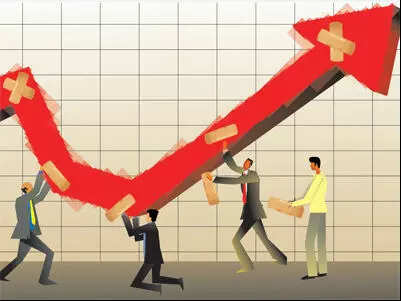
So, if this means that a crisis may gradually be becoming inevitable, the real question is: how prepared are we to deal with it? What kind of contingency frameworks and strategies are being designed to tackle prolonged oil spikes, supply disruptions, currency volatility and the ripple effects that follow?
When a crisis appears to be knocking on the door, I am not going to be unrealistically optimistic. Yet, crises also force nations to rethink priorities, and there are several sectors where India initiated conversations years ago but failed to move decisively towards execution. Perhaps this is the moment to act.
I had earlier written about why India should focus on becoming more self-reliant now more than ever. The Prime Minister has suggested a few workable ideas, but ideas alone are not enough. They require policy support, industrial commitment and, above all, feasibility on the ground.
For a nation that is digitally savvy and entrepreneurial, this should not be impossible. We need to seriously reassess our industrial priorities and ask why a country of 1.4 billion people still imports even basic products such as shirt buttons and low-value manufacturing components. What is the point of having nearly 6 crore MSMEs contributing around 30 per cent to GDP and about 45 per cent of exports, if we continue to depend on imports for everyday goods?
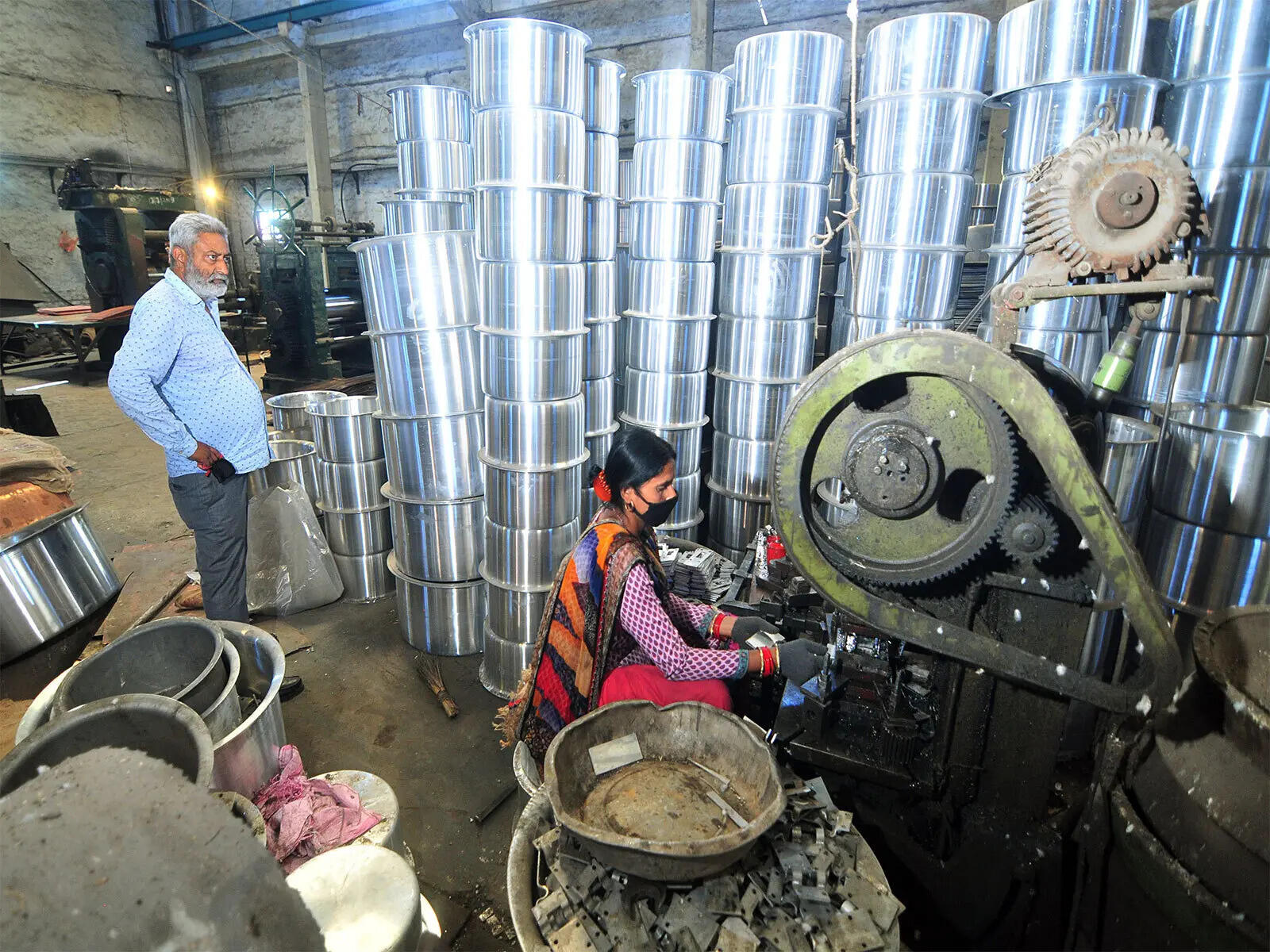
If we keep importing everything, we will eventually corner ourselves into a vulnerable position. It is high time India builds and consumes more of its own products. But this is easier said than done. Private sector capex remains weak, manufacturing investments are uneven, and India spends barely 0.7 per cent of GDP on research and development, significantly lower than manufacturing-driven economies such as China and South Korea. So the question remains: will we create this opportunity?
The Dream of Self-Reliance
At the bottom of my heart, I still believe India possesses a powerful entrepreneurial spirit. People can transform industries if they are given the right opportunity. There have been founders who raised and spent thousands of crores with little to show for it, while Indian scientists executed the Chandrayaan-3 mission at a fraction of global costs.
The COVID-19 period remains another striking example. At the start of the pandemic, India barely had any meaningful PPE manufacturing ecosystem. Within months, the country emerged as one of the world’s largest PPE kit producers and exporters.
Every economist will agree that buying Indian products reduces dollar outflows and strengthens economic resilience. But the challenge is massive. India remains deeply import-dependent not just for energy and advanced technology, but also for fertilisers, electronic components, semiconductor equipment and capital goods. Without imported fertilisers, agricultural productivity itself could come under pressure.
This is also why I believe the current disruption can become an opportunity. India’s consumer market remains heavily dependent on imports. Not only in advanced technology and natural resources, but even in white goods and consumer durables, countries such as China, South Korea, Taiwan and Japan dominate Indian households.
In many cases, Indian consumers are not choosing imported products out of fashion or prestige, but simply because viable domestic alternatives do not exist.
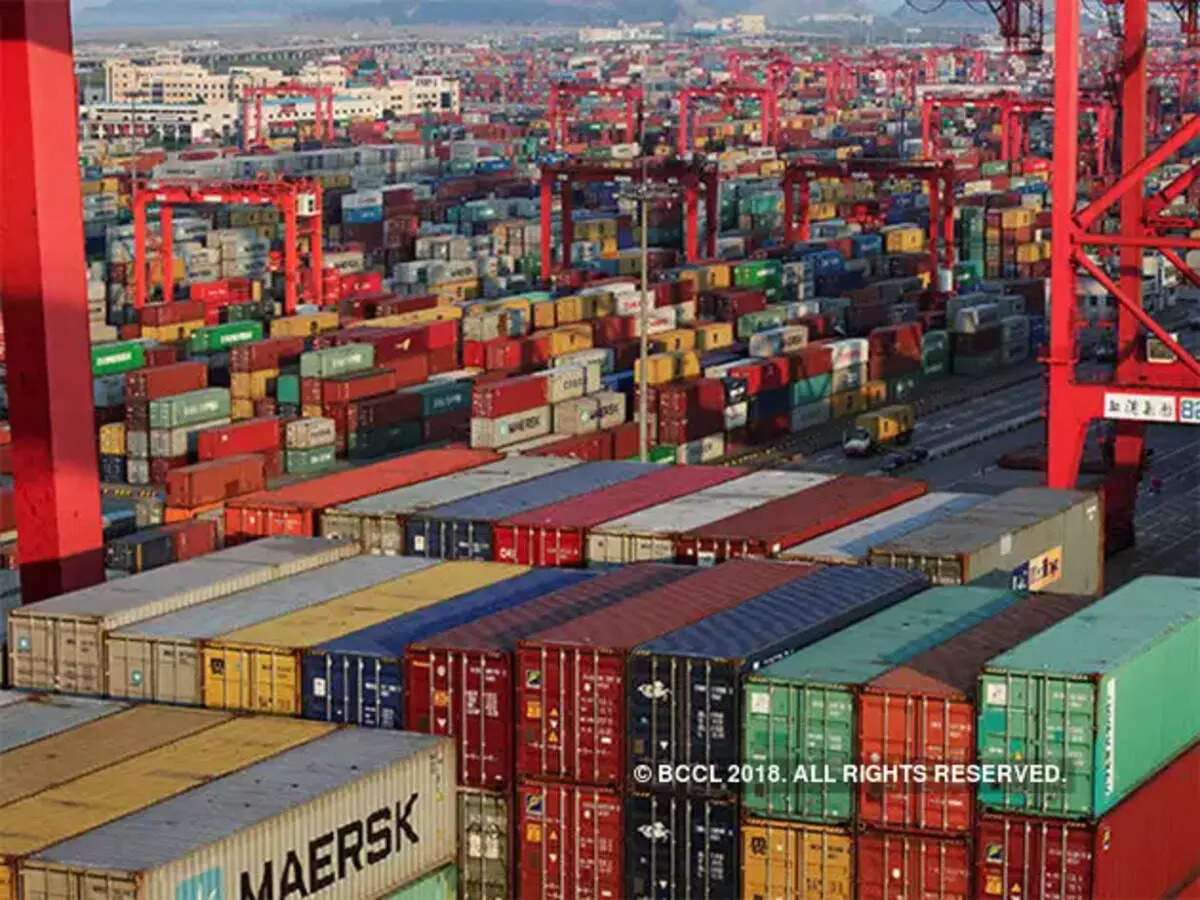
Governments over the years have often preferred easier routes such as subsidies, free rations and welfare transfers, while comparatively less emphasis has been placed on building globally competitive manufacturing ecosystems capable of generating large-scale employment.
And yet, India remains one of the world’s largest consumer markets. There is demand here for Ferrari and the most premium cars, as well as for cycle rickshaws. The diversity and scale of this market can become far more valuable if India aligns its economic priorities correctly.
Even if India cannot achieve self-sufficiency across every sector immediately, identifying and building dominance in just a few strategic product categories would itself be a strong beginning. Roads, bridges and logistics infrastructure are already being built at unprecedented speed, and India is gradually becoming more competitive.
Lastly, India must focus on converting disruptions into opportunities through targeted import substitution and a stronger domestic manufacturing push.
I know it will not be easy. But if we start today, we will move forward — and that itself will be significant. If a senior official in Delhi is riding a bicycle to the office, it is indeed a good beginning.
Please share your feedback, suggestions if any. You can reach me on amol.dethe@timesinternet.in
(Editor’s note is a column written by Amol Dethe, Editor, ETCFO. Click here to read more of his articles exploring several buzzing topics)

Source link
#Crisis #economic #opportunity





