

Do you find butterflies in your stomach on Monday morning? Almost all of us go through the Monday blues. But quick commerce companies have spotted an interesting trend around this weekly emotion. Any guesses?
The answer is the demand for white shirts.
Many youngsters spend their weekends at friends’ homes or travelling around the city, only to realise on Monday morning that they need a fresh white shirt for office. And within minutes, a shirt arrives at their doorstep through a quick commerce app.

It may sound amusing, but this tiny behavioural pattern says a lot about modern India.
A few years ago, most of us would have planned our week differently. We would have ironed clothes the previous night, stocked groceries for days, and waited patiently for deliveries. Today, convenience itself has become a product people are willing to pay for.
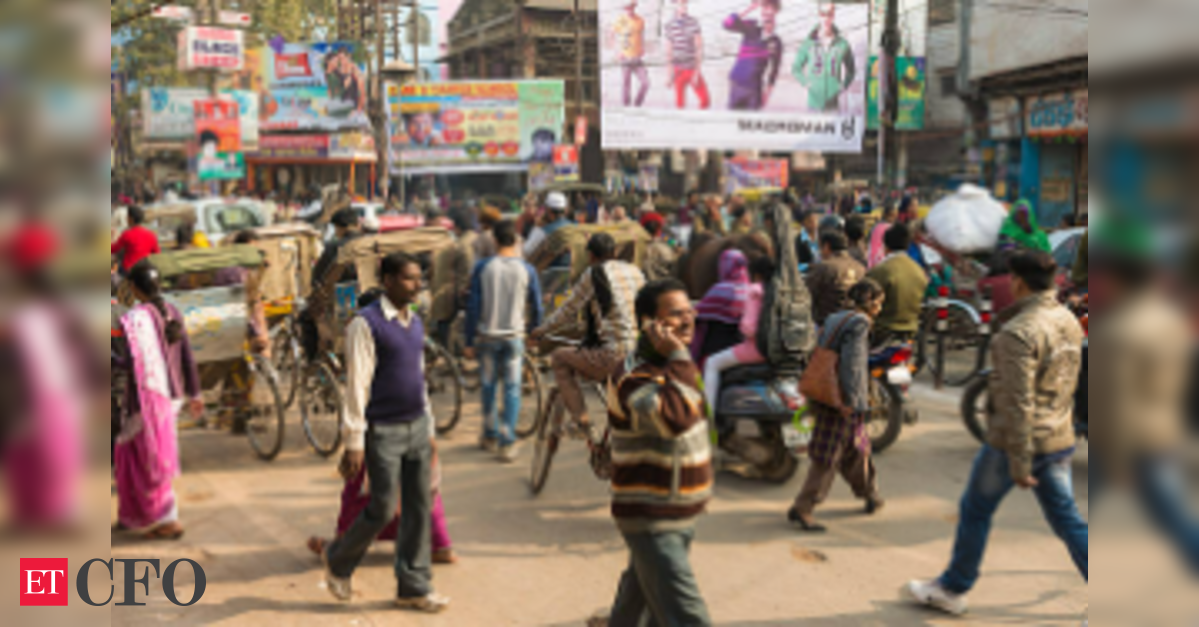
As the world moves forward and digital ecosystems grow rapidly, consumption habits are changing dramatically. Quick snacks, coffees, medicines, gifts, groceries and even fashion are available almost instantly as delivery riders steer through crowded lanes to fulfil impulse demand.
India is not merely consuming more. India is consuming differently.
This week, a report by Kotak Mahindra Mutual Fund titled The Great Consumption Shift captured this transformation. The report argues that the Indian wallet has moved away from staples and necessities towards experiences, convenience, premiumisation and digital lifestyles.
The numbers are revealing.
The share of food in household spending has sharply declined over the last two decades. In rural India, food expenditure as a share of spending has fallen from 59 percent in 1999-00 to 46 percent in 2022-23, while in urban India it dropped from 48% to 39%. The money saved on staples is now flowing into mobile phones, automobiles, eating out, rent, education and digital consumption.
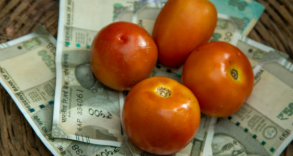
One can see this shift everywhere around us. Youngsters may postpone buying a refrigerator, but they will not think twice before upgrading to a premium smartphone on EMI. Young professionals living in rented apartments are willing to spend heavily on travel, concerts and subscriptions even while worrying about long-term savings.
Categories such as beverages and processed food, durable goods like mobiles, conveyance and rent have steadily gained share in household budgets, while cereals and pulses have lost prominence.
Even more striking is the rise of entirely new-age spending categories. Quick commerce, OTT subscriptions, premium smartphones, fantasy gaming, hearables and online shopping platforms are seeing explosive growth. Blinkit’s gross order value reportedly grew nearly 95% between 2025 and 2026, while Apple India’s revenue has surged so rapidly that it is projected to become almost twice the size of Hindustan Unilever’s India revenue in FY26.

This is not merely consumption. This is aspiration meeting technology.
India is now paying for convenience, speed and experiences. Concerts are booming, foreign travel spending has multiplied, and premium smartphones are grabbing a bigger share of the market even though total phone sales remain flat.
But beneath this consumption boom lies a deeper question.
Reality: Austerity vs Consumption
There is a dichotomy emerging in the Indian economy.
On one hand, economists encourage spending because consumption remains the backbone of economic growth. Consumer spending drives manufacturing, creates jobs, boosts tax revenues and keeps businesses expanding.
On the other hand, there are increasing calls for austerity and prudent financial behaviour. Prime Minister Narendra Modi has often spoken about financial discipline, prudent spending and the importance of savings.
Many households too are becoming cautious. Rising rents, education expenses and EMIs are beginning to pressure middle-class budgets. For many urban families, the monthly salary arrives and disappears almost immediately into rent, school fees, loan repayments and daily expenses.

Household EMI burdens have grown faster than income growth in five out of the last seven years. Simultaneously, household financial savings as a percentage of GDP have moderated compared to pandemic peaks.
This creates an interesting economic tension.
If households continue spending aggressively, consumption growth remains strong but savings weaken. If households turn conservative and begin tightening expenses, consumption-driven sectors may slow down.
The challenge for policymakers will be balancing growth with financial stability.
Spend-Led Consumption and Inflation
India’s new consumption model is increasingly driven by convenience and instant gratification. But such consumption patterns can also create inflationary pressures.
Quick commerce and premiumisation encourage consumers to pay higher prices for speed and experience. Whether it is a Rs 300 coffee, a Rs 90 delivery fee for convenience, or upgrading from a Rs 15,000 phone to a Rs 80,000 device on EMI, spending habits are changing the pricing structure of the economy.
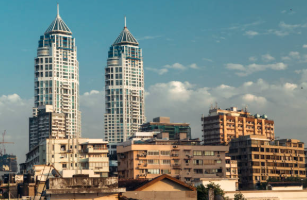
Urban rents have risen sharply across cities. Areas such as Bengaluru, Mumbai and Noida have seen significant rental increases in recent years. Anyone searching for a flat in these cities today knows how dramatically housing costs have changed after the pandemic.
At the same time, easy digital credit and buy-now-pay-later culture are expanding consumption beyond immediate income levels.
Another major development shaping India’s consumption story is the fall in the rupee and fears of it hitting the Rs 100-per-dollar mark. A weaker rupee makes imported goods, foreign travel, electronics and overseas education more expensive, directly impacting aspirational urban consumption.
Foreign travel spending has surged 5.6 times over the last eight years, while premium imported brands such as Apple are increasingly dominating urban spending patterns. Persistent rupee weakness could make such consumption significantly costlier for households already dealing with rising rents and EMIs.
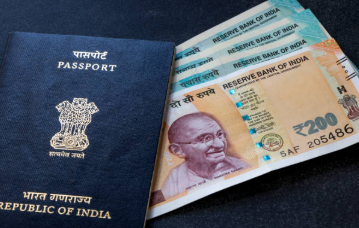
More importantly, a falling rupee fuels imported inflation in an economy heavily dependent on crude oil, electronics and technology imports. While exporters may benefit, sustained currency weakness can erode household purchasing power and dampen discretionary consumption over time.
Inflation today is no longer only about food and fuel. Increasingly, it is about lifestyle inflation.
The danger is that aspirational spending rises faster than income growth for a large section of households. Income growth in India is deepening but not widening. Wealthier urban cohorts are seeing much faster income expansion compared to the broader population.
This means India’s consumption story is becoming increasingly unequal. Premium consumption is booming even while mass-market consumption remains uneven.
Impact on the Economy
The consumption shift is reshaping the Indian economy in multiple ways.
First, it is accelerating the growth of platform-based businesses such as quick commerce, fintech, entertainment streaming, premium electronics and digital services. Traditional consumption categories are maturing, while new-age categories are attracting capital, innovation and investor attention.
Second, it is changing employment patterns. Delivery networks, warehousing, digital payments, logistics and app-based ecosystems are generating new forms of work, though often with concerns around job security and sustainability.
Third, the nature of savings and investments is evolving. Participation in financial markets through SIPs and derivatives trading has risen sharply. But there are also concerns over growing speculative losses and digital frauds. Retail investors reportedly lost Rs 2.87 lakh crore cumulatively in F&O trading between FY22 and FY25.

Finally, the Indian economy is becoming increasingly consumption-led rather than savings-led.
That may support short-term growth, but overreliance on consumption without matching productivity growth can create vulnerabilities over time, especially if financed by rising household debt.
India’s great consumption shift, therefore, represents both opportunity and caution.
The country is becoming more aspirational, digital and convenience-oriented than ever before. But beneath the booming apps, instant deliveries and premium experiences lies an important question:
Can consumption continue to surge sustainably without widening financial stress and inequality?
That will define the next chapter of India’s economy.
Please share your feedback, suggestions if any. You can reach me on amol.dethe@timesinternet.in.
As usual, I am adding here the top 5 stories of the week, trust you will find them meaningful.
(Editor’s note is a column written by Amol Dethe, Editor, ETCFO. Click here to read more of his articles exploring several buzzing topics).

Source link
#Indias #Emerging #Businesses #Thrive #Rising #Consumption