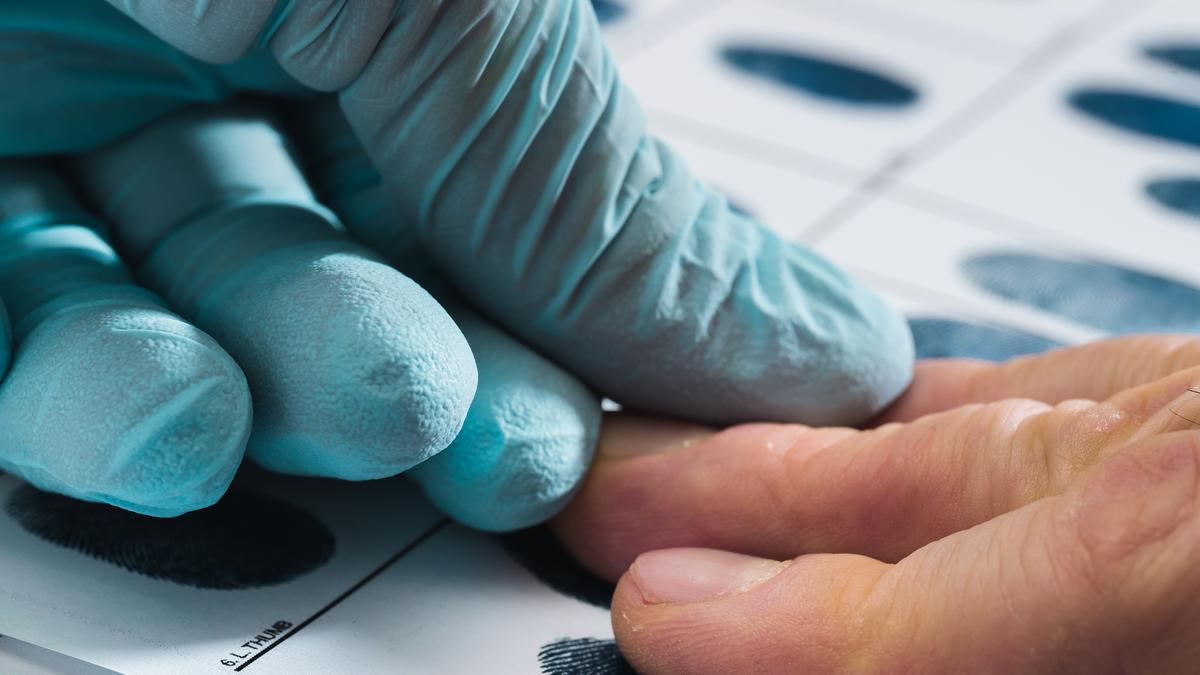
Image used for representation purpose only
| Photo Credit: Getty Images/iStockphoto
India’s criminal investigation system functioned for decades under the colonial-era Identification of Prisoners Act of 1920, which placed limitations on scientific evidence collection, but the Criminal Procedure (Identification) Act, 2022 has significantly modernised the forensic framework, Prof. Devinder Singh, Vice-Chancellor of Sonipat-based Dr. B.R. Ambedkar National Law University (DBRANLU) said.



Prof. Singh made the remarks while presenting a paper at the 24th Triennial Meeting of the International Association of Forensic Sciences (IAFS-2026) in Sofia, Bulgaria.
In his paper, he said the 1920 law had constrained forensic modernisation in India.
The 2022 legislation, he noted, broadened the scope of criminal investigation by allowing the collection of advanced biometric and forensic evidence, including iris and retina scans, DNA-based biological samples, specimen signatures, handwriting samples and voice recordings.
According to Prof. Singh, these changes have brought India’s investigative practices closer to internationally accepted scientific standards. He also stressed the need for national forensic standardisation protocols, secure digital infrastructure and technology-driven justice systems while ensuring constitutional safeguards and protection of individual rights.
The conference, being held from May 25 to 30, brought together forensic experts, legal scholars and investigators from across the world.
Published – May 30, 2026 10:20 am IST
Source link
#Indias #forensic #law #marks #shift #colonialera #framework #National #Law #University