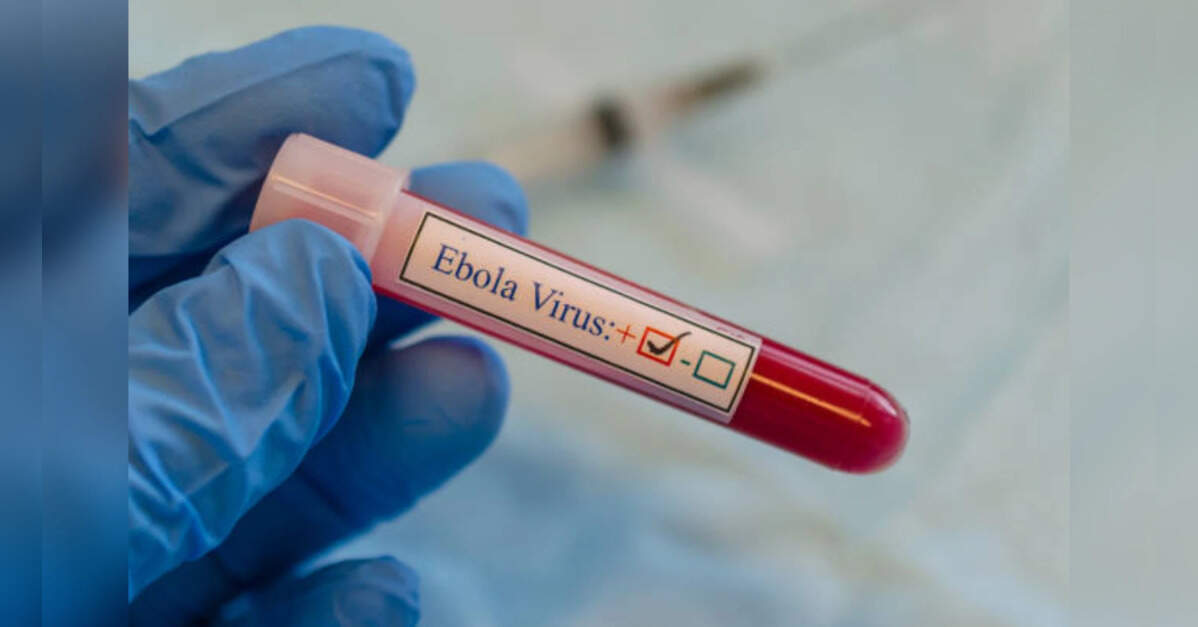



New Delhi: The Ministry of Health and Family Welfare on Tuesday issued a public health advisory on Ebola virus disease, stating that no cases have been reported in India so far while urging heightened vigilance among individuals who have recently travelled through Ebola-affected countries.
The government stressed the importance of early reporting of symptoms.
“Health advisory on Ebola disease. As on June 2, 2026, there are no cases of Ebola disease reported in the country,” the ministry said in a post on X.
Stressing the importance of early reporting of symptoms, it noted that timely action could save lives and help prevent the spread of the disease.
The advisory comes amid a fresh outbreak of Ebola in parts of Africa, prompting health authorities worldwide to strengthen surveillance and issue precautionary guidelines.
The Ministry advised anyone who has travelled from or transited through an Ebola-affected country within the past 21 days to closely monitor their health.
Individuals developing symptoms such as fever, headache, muscle pain, vomiting, diarrhoea or unexplained bleeding have been asked to isolate themselves immediately and inform local health authorities.
“However, if you have travelled from or transited through an Ebola-affected country in the last 21 days and develop symptoms such as fever, headache, muscle pain, vomiting, diarrhoea, or unexplained bleeding, etc., isolate yourself and inform local health authorities,” it explained.
Authorities also urged the public to seek information and assistance through the government’s 24×7 Health Helpline, 1075.
“Early reporting can save lives and help prevent the spread of disease,” the ministry mentioned.
Ebola virus disease is a severe and often fatal illness that affects humans. According to the World Health Organisation, the disease has an average fatality rate of around 50 per cent, although mortality rates have ranged from 25 per cent to as high as 90 per cent during previous outbreaks.
The virus spreads through direct contact with the blood, secretions, organs or other bodily fluids of infected people or animals.
Health experts emphasise that prompt identification and isolation of suspected cases are critical to containing transmission.
The Ministry’s advisory highlights a 21-day monitoring period for travellers from affected regions, reflecting the maximum known incubation period of the Ebola virus — the time between exposure and the onset of symptoms. The duration is widely used by global health agencies for surveillance and contact-tracing efforts.

Source link
#Govt #issues #Ebola #advisory #cases #detected