

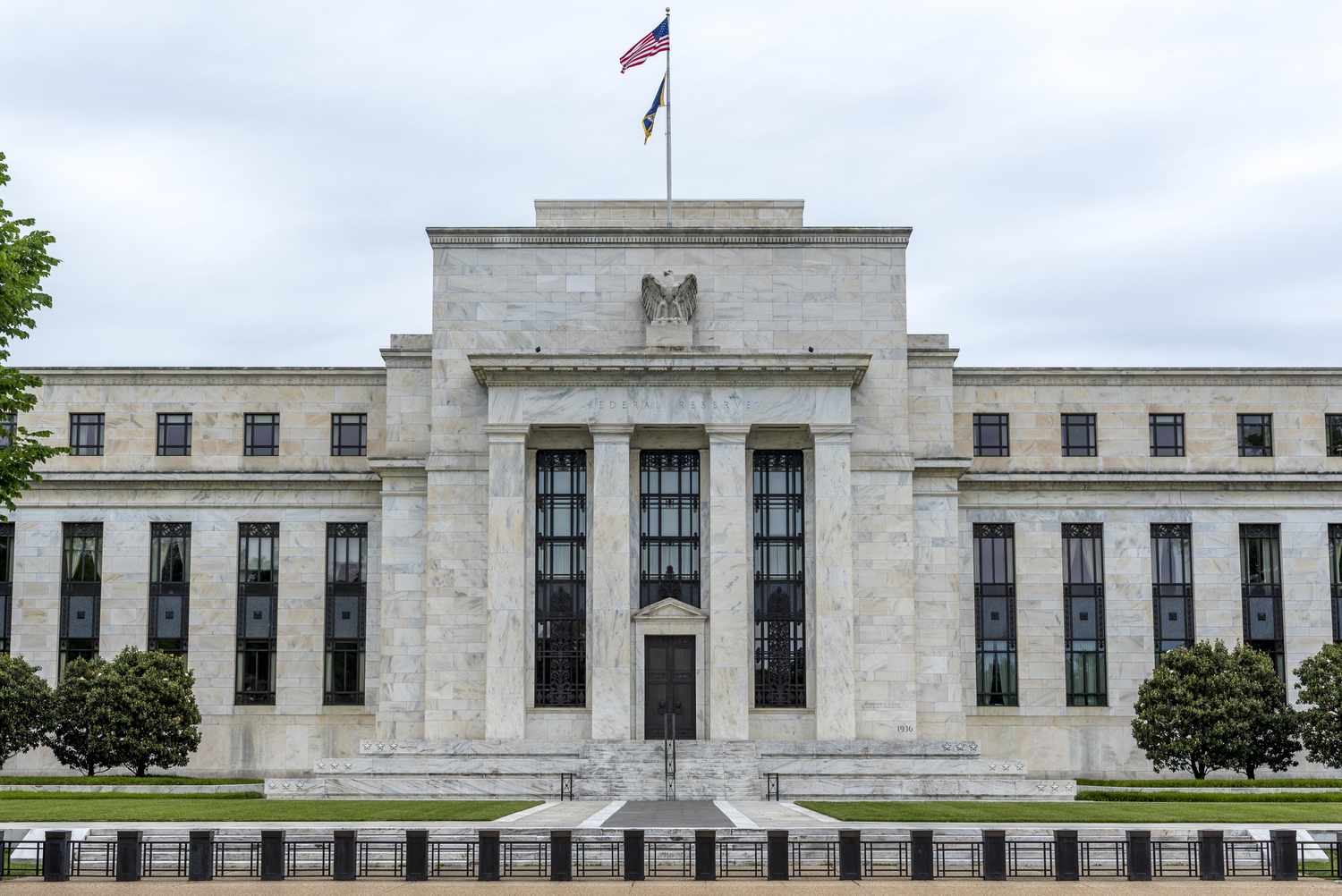
Federal Reserve policy under Kevin Warsh is becoming a fresh market test for Wall Street, with investors watching the June FOMC meeting for signals on rates, inflation and equity volatility. U.S. indexes have turned choppier, with the S&P 500 and Nasdaq lower from early June highs and the Cboe Volatility Index higher as markets reassess the path of monetary policy.
Warsh’s first scheduled meeting as Federal Reserve chair on June 16-17 will carry unusual weight because markets are no longer focused only on whether rates stay unchanged this month. Economist surveys point to rates being held through 2026, while Fed funds futures indicate markets are pricing a possible increase before year-end. That changes the planning backdrop for CFOs and finance directors using U.S. markets to raise debt, refinance loans or manage dollar exposure.



The rate-sensitive link runs through bank funding markets, corporate debt desks and equity issuance pipelines at JPMorgan Chase, Goldman Sachs, Morgan Stanley, Bank of America, Citigroup and Wells Fargo. A more hawkish Federal Reserve tone would affect discount rates, bond yields, credit spreads and investor appetite for risk assets. A softer tone could calm equities but may also raise questions about how Warsh intends to balance inflation control with pressure for easier monetary policy from President Donald Trump.
Senior finance professionals face a timing problem. Treasury teams planning bond issuance, private placements or bank refinancing may face a narrow window if markets rally after the Fed meeting, while companies exposed to floating-rate debt could see hedging costs move quickly if the dot plot points to higher rates for longer. For UK finance leaders, the same signal also feeds through sterling-dollar hedging, overseas borrowing and comparisons with Bank of England policy. Investor relations teams also need to prepare for sharper questions on interest expense, cash returns, working capital and balance-sheet flexibility.
Central-bank communication has become a market variable in its own right. The Federal Reserve’s June statement, updated projections and Warsh’s press conference will influence U.S. equities, dollar funding, global risk appetite and valuation assumptions used by boards, auditors and lenders.
If the newly led Fed pushes markets toward higher rate expectations, finance teams will need to stress-test funding plans before volatility becomes embedded in borrowing costs. The next test is the rate decision itself and whether the Federal Reserve gives companies and financial institutions enough clarity to plan capital allocation with confidence.
More From Finance Monthly: Walmart Shake-Up Fuels Fears of a More Defensive U.S. Economy
Source link
#Federal #Reserve #Warsh #Rate #Risk #Finance #Monthly





