


Follow the story of a woman’s life from childhood through old age, presented in an entirely text-free format.
Dear me, I was…
Developer: Arc System Works
Price: $8
Platform: Nintendo Switch 2, Nintendo Switch (reviewed), PC, Android, iOS
MonsterVine was supplied with a Switch code for review.



I was curious about Dear Me, I Was when it was first announced, but since it was a Switch 2 exclusive, I didn’t have a chance to play it. Now that it’s arrived on other platforms, I was happy to finally check it out.
It tells the story of an older woman looking back at her life, which is told in stages from her childhood up to her later years. The thing that stands out first about this game is its art. It uses a watercolor sketchbook style presentation with rotoscoping animation, which gives it quite a unique and beautiful look. I especially appreciated its use of color, with some scenes being presented as black and white sketches, while the addition of color brings a scene to life and emphasizes important details. This sketchbook aesthetic isn’t just a whim, either, since it ties into the narrative due to the main character being an artist.

The key thing that stands out about Dear Me, I Was is that its story doesn’t include any text, but rather relies entirely on its visuals. That’s unusual for a game like this, because it’s also wholly focused on its narrative, with only minimal gameplay. Gameplay consists of minor interactions, such as dragging a pencil across a blank sketchbook page to make the art appear, clicking on food to eat it, or pressing a button to have the characters take a photograph. It’s almost like a visual novel, except without the “novel” part. As a visual novel fan, I don’t have a problem with games that have little to no gameplay, but in this case, it almost feels like it would have been better if there were no gameplay elements included at all. The minor interactions don’t add much to the experience.

Meanwhile, the text-free presentation is a mixed bag. On one hand, there are times when the story is hard to follow. With no dialogue or narration to follow, you have to look at the visuals and interpret what’s happening, and there were points where I felt like I was just guessing. An argument, for example, can be shown through visuals, but the reason for the argument doesn’t come through as easily. On the other hand, it’s impressive just how much can be conveyed without text. Food scenes show the passage of time and how the main character’s life changes, people’s expressions and body language convey the mood of a scene, and context clues help you piece together the basics of the narrative, even if some details get lost along the way. It’s a very artistic presentation, which I suppose is the point. I appreciate the endeavor, even if it didn’t always work for me.

As for the story itself, I’d describe it as a story about life and about valuing the people around you. Some parts are cute, while others are emotional. It’s a sad story at times, albeit one with hope. However, at less than an hour to complete, the short runtime, together with the limitations of its text-free format, made it difficult for me to truly feel attached to anyone in the story. Sad scenes made me feel sadness, especially when they made me reflect on my own life, but they lacked the impact they would have had if I were more invested in the characters themselves. In the end, the strengths of Dear Me, I Was come down to its excellent use of visuals and how well you can personally relate to the main character’s story.
 The Final Word
Dear Me, I Was tackles the challenge of telling a story without any text at all, and it does so with a fair amount of success. At the same time, however, it lacks the impact its emotional moments feel like they’re meant to have. Overall, it’s a short chronicle of a woman’s life that might make you reflect on your connections with the people around you.
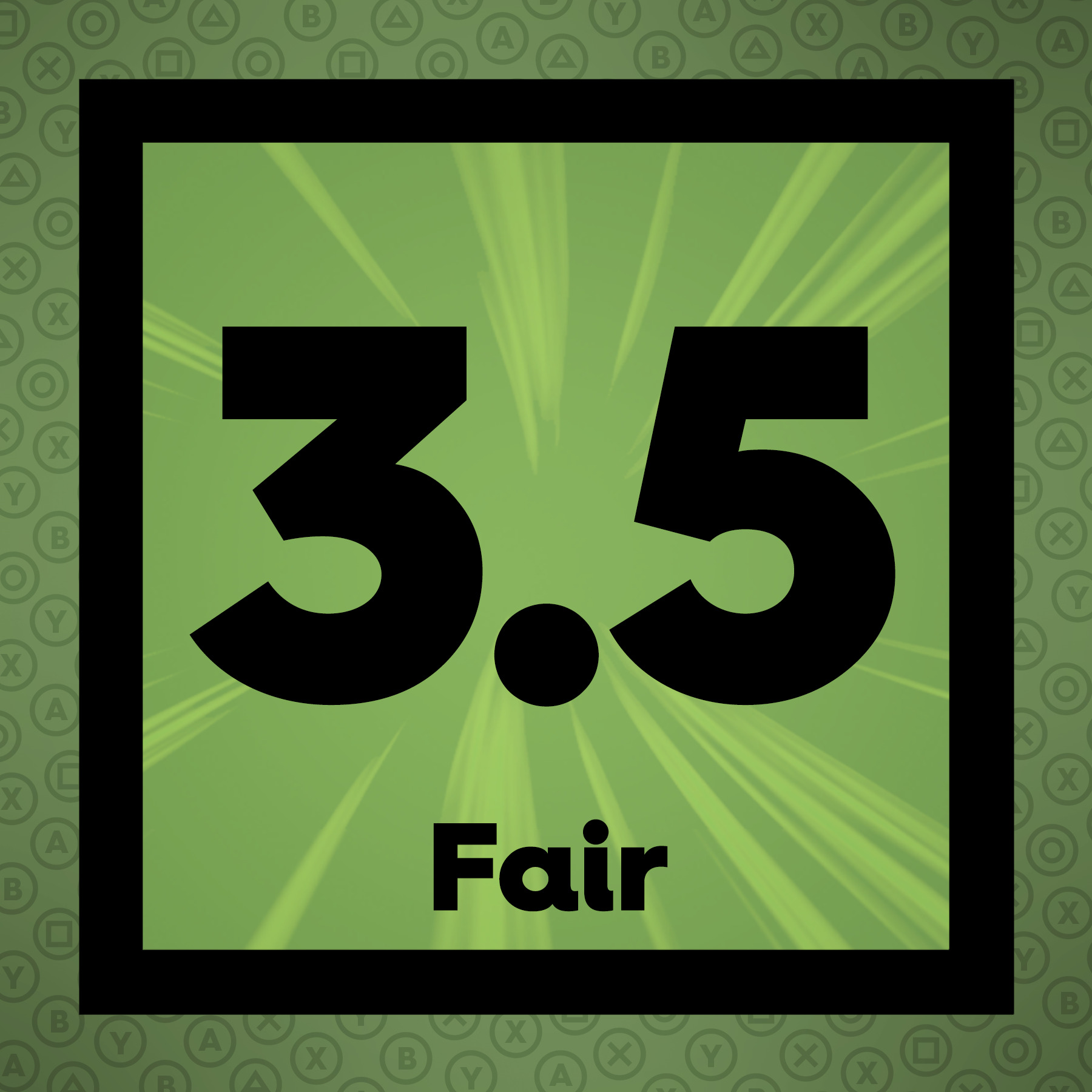
MonsterVine Rating: 3.5 out of 5 – Fair
Source link
#Dear #Review #Watercolor #Life #Story #Told #Words #MonsterVine





