

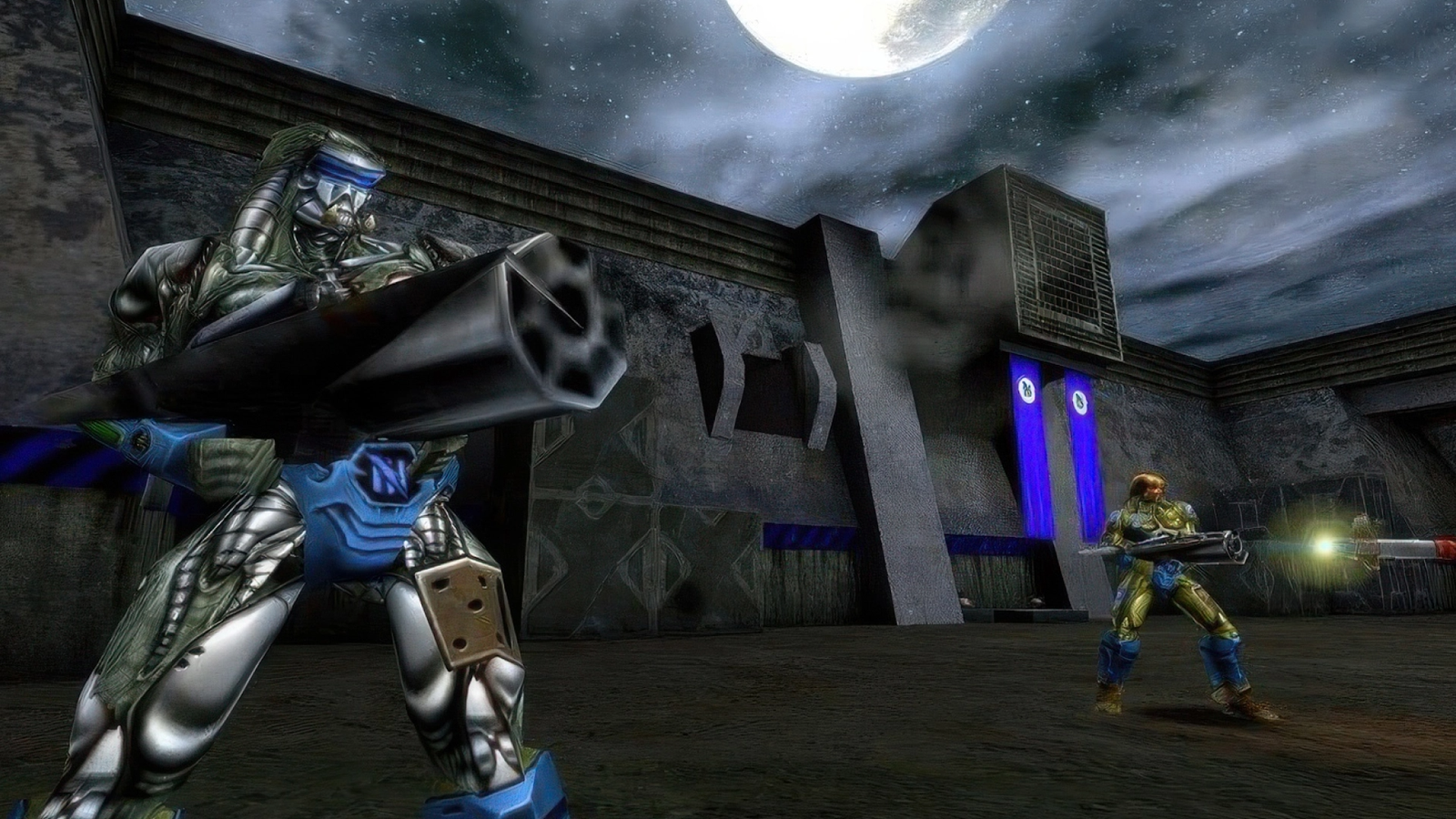
The first-person shooter genre has evolved rapidly over the past two decades, but along the way several once-celebrated titles quietly faded from mainstream discussion. These games helped define competitive multiplayer, arena combat, experimental mechanics, and over-the-top action. While modern franchises dominate today’s headlines, revisiting these releases shows how much influence they carried during their prime.



Below is a closer look at several FPS games that once stood tall in the genre before gradually slipping from everyday conversation.
Forgotten FPS Games That Deserve Another Look
|
Game |
Original Release |
Platform(s) |
Info |
|---|---|---|---|
|
Unreal Tournament |
1999 |
PC |
Arena shooter standard with fast multiplayer |
|
Ricochet |
2000 |
PC |
Experimental arena combat using energy discs |
|
Tribes: Vengeance |
2004 |
PC |
High-speed movement and large scale battles |
|
Soldier of Fortune II: Double Helix |
2002 |
PC |
Tactical realism and detailed damage modeling |
|
Red Faction II |
2002 |
PC, PS2, Xbox |
Sci-fi shooter blending story and explosive action |
Unreal Tournament

When Unreal Tournament launched in 1999, it helped define the arena shooter formula for competitive multiplayer gaming. Built around fast movement, vertical map design, and skill-based weapon play, it quickly became a staple of LAN parties and early online competition. Game modes like Capture the Flag and Deathmatch emphasized reflexes and map knowledge, while mod support allowed the community to expand its lifespan. Although newer competitive shooters eventually captured the spotlight, Unreal Tournament established the rhythm and speed that influenced multiplayer FPS design for years.
Ricochet

Ricochet arrived in 2000 as a multiplayer experiment built on Valve’s early engine technology. Instead of firearms, players used razor-sharp energy discs in arena-style matches suspended above hazardous pits. The emphasis on timing, movement, and precision gave Ricochet a distinct identity. Despite its originality, it remained a niche experience and never reached the audience size of other early multiplayer titles. Its experimental design, however, stands as a reminder of how creative FPS mechanics once were during the genre’s formative years.
Tribes: Vengeance

Part of the long-running Tribes franchise, Tribes: Vengeance emphasized speed and large scale combat. Players used jetpacks and skiing mechanics to traverse expansive maps, creating dynamic firefights that rewarded spatial awareness and teamwork. Its blend of narrative campaign and competitive multiplayer showed ambition, yet the title struggled to maintain long-term mainstream visibility in a rapidly changing shooter market.
Soldier of Fortune II: Double Helix

Known for its detailed damage system, Soldier of Fortune II introduced a tactical element uncommon at the time. Players could target specific body parts, which influenced combat outcomes. Combined with international counterterrorism missions and multiplayer modes, the game balanced realism with intensity. Its controversial violence sparked discussion, but its mechanical depth left a lasting mark on shooter realism.
Red Faction II

Red Faction II continued the franchise’s science fiction rebellion narrative while delivering explosive action. Though the GeoMod destruction system was more limited than in its predecessor, the game still provided dynamic firefights and cinematic pacing. Over time, its identity became overshadowed as the FPS genre shifted toward more grounded military realism and later toward live service multiplayer ecosystems.
Shifts in player trends, online infrastructure, and the rise of large publisher backed franchises gradually changed the FPS landscape. Arena shooters gave way to progression systems and persistent unlocks. Experimental mechanics were replaced by standardized formulas that appealed to wider audiences. While these forgotten shooters may not dominate streaming charts today, they played an important role in shaping competitive design, movement systems, and mechanical experimentation.
For players curious about the genre’s roots, revisiting these games offers insight into how diverse first-person shooters once were and how bold design decisions helped define an era.
Source link
#Classic #FPS #Games #Deserve #Comeback





