The government is planning to create a new state entity to manage the export of commodities in order to crack down on under-invoicing, according to the people. The agency would be supervised by Danantara, the sovereign wealth fund that reports directly to President Prabowo Subianto, and could be announced by the president as soon as Wednesday, they said.


Details of how the body will function need to be ironed out and are in a state of flux at the moment, they added.
Further information on the proposed entity and the scale of its potential role wasn’t immediately clear. Danantara, the Government Communication Agency and the ministries of trade and finance did not respond to requests for comment.
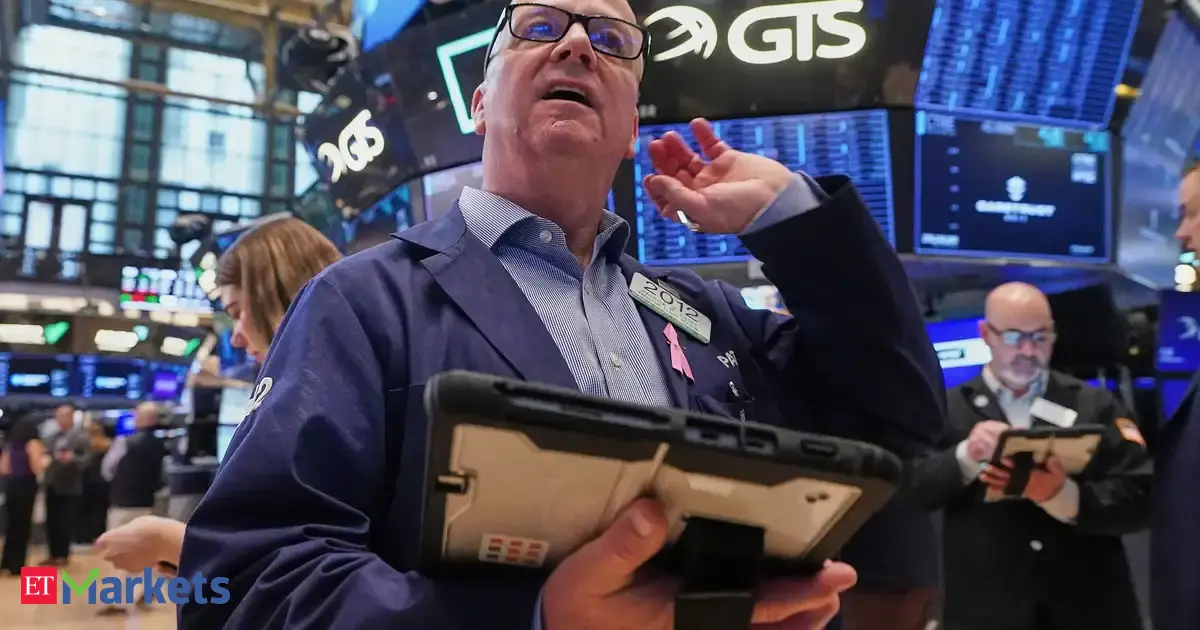
The country’s benchmark stock index closed 3.5% lower on Tuesday, with traders citing speculation about the new body.
Also Read: OpenAI founding member Karpathy joins Anthropic
The agency would be Prabowo’s most drastic move yet to shore up state revenue to support his expensive flagship policies, including universal free school meals. Those programmes, along with a rising energy import bill and broader investor concerns about deteriorating governance in Southeast Asia’s largest economy, sent the Indonesian rupiah to a record low against the dollar this week.
One potential upside of greater export controls would be to maximise foreign exchange inflows, which could bolster the rupiah. The government has already implemented stricter limits on foreign exchange transactions to try to halt the currency’s decline. The central bank has also been intervening frequently in the market to support the rupiah.
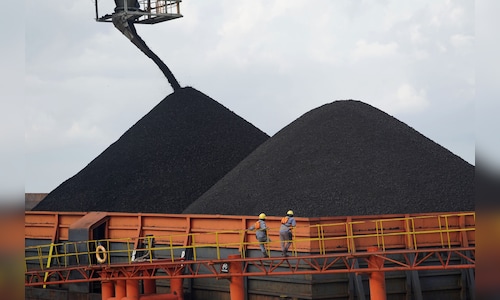
Indonesia is the world’s top exporter of both thermal coal and palm oil, and greater state control of shipments could roil global markets for the commodities. In the past, the nation has banned some natural resource exports to boost downstream manufacturing and shore up domestic supplies, and has attempted to lift prices by curbing output or forcing sales at government-set benchmarks.
Under-invoicing is a widespread and longstanding problem in Indonesia’s commodities industry. The practice involves declaring shipments to be of lower value than they actually are, allowing profits from their sale to be shifted to lower tax jurisdictions. A study by Global Financial Integrity estimates the government lost $6.5 billion in tax revenue in 2016 from the practice.
In an interview with Bloomberg last month, Finance Minister Purbaya Yudhi Sadewa said cracking down on under-invoicing was one of his priorities. He earlier threatened to replace Indonesian customs officials with foreign contractors due to perceived corruption.
Prabowo has previously railed against elites and foreign entities for syphoning profits from the country’s natural resource wealth offshore. His government has seized vast tracts of land from palm oil companies and miners and levied large fines on firms accused of violating forestry permits.
Source link
#Indonesia #plans #tighten #state #control #commodity #exports #CNBC #TV18