

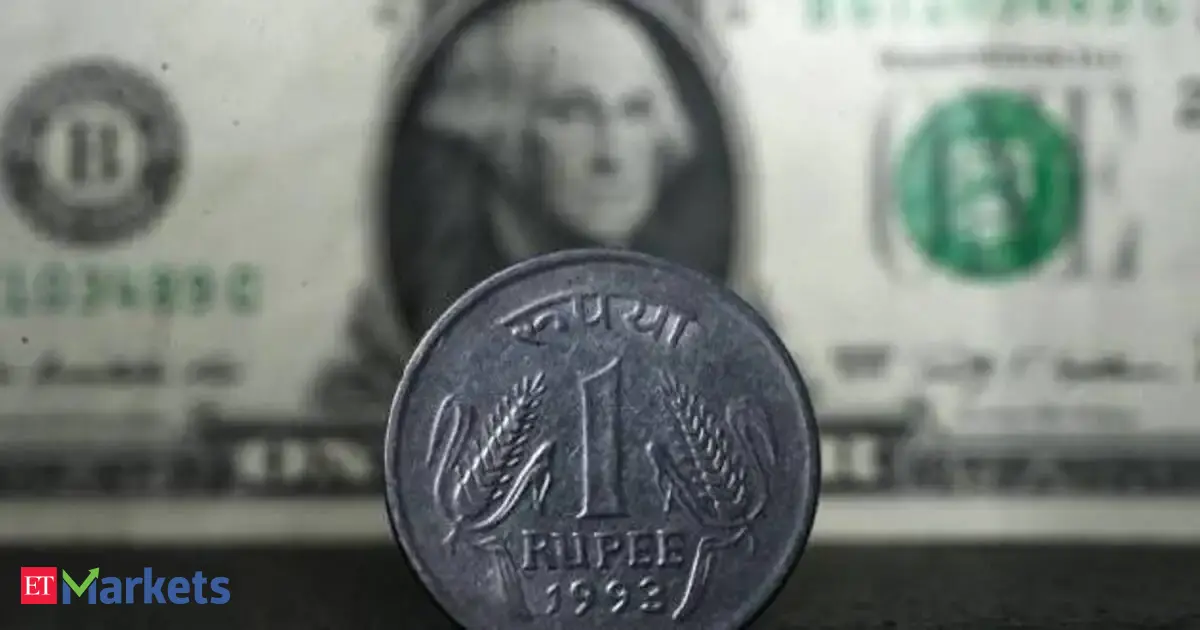
The rupee weakened 0.1% to 95.7450 per dollar, edging past its previous all-time low of 95.7375 hit on Tuesday.


Rising energy prices due to the U.S.-Iran war have added pressure to India’s macroeconomic outlook by straining the external sector. Economists have cut growth forecasts, lifted inflation projections and warned of sustained pressure on the rupee.
“A collapse in oil prices or a resumption in portfolio flows are prerequisites for a durable turnaround in the rupee’s bearish run,” Radhika Rao, senior economist at DBS said in a note.
Brent crude prices have risen nearly 50% since the Iran war erupted on February 28, pushing the rupee lower by more than 5%.

Traders and analysts said these losses would be much steeper if not for frequent market interventions by the central bank alongside its use of rare regulatory curbs.
Indian Prime Minister Narendra Modi over the weekend urged a range of measures to conserve foreign exchange reserves, while the central government on Tuesday night hiked tariffs on precious metal imports as a way to curb demand and cushion the rupee.”Markets are pricing in rate hikes to defend the rupee and address potential inflationary pressures, although we do not expect policy tightening to be the immediate response,” Rao said.
Speaking at a conference in Switzerland on Tuesday, RBI Governor Sanjay Malhotra said that India’s monetary policy can look through temporary supply shocks but may intervene if inflationary pressures become entrenched.
While India has so far kept fuel prices unchanged despite the rise in global costs, the government may need to hike fuel prices if the conflict in the Middle East drags on, Malhotra said.
Global markets, meanwhile, traded cautiously. Foreign exchange remained largely rangebound, while technology-sensitive equities gained as revived optimism around artificial intelligence dwarfed concerns over stalled Washington-Tehran negotiations and hotter-than-expected U.S. inflation.
Source link
#Rupee #hits #alltime #USD #outflows #oil #risks #weigh #outlook





