Global supply chain intelligence platform Secaro has launched a new Clean Heat Programme to help clients address a major challenge to economic decarbonisation. The scheme was designed in conjunction with support from AstraZeneca and ERM.



While the net zero targets originating from the Paris Agreement first came to the fore a decade ago, businesses often lack serious plans or measurements, when it comes to making high-minded promises a practical reality. Indeed, when it comes to the emissions links to their heating, many organisations are still looking at the matter in isolation, comparing the current gas bill to a full switch to biomethane for example.
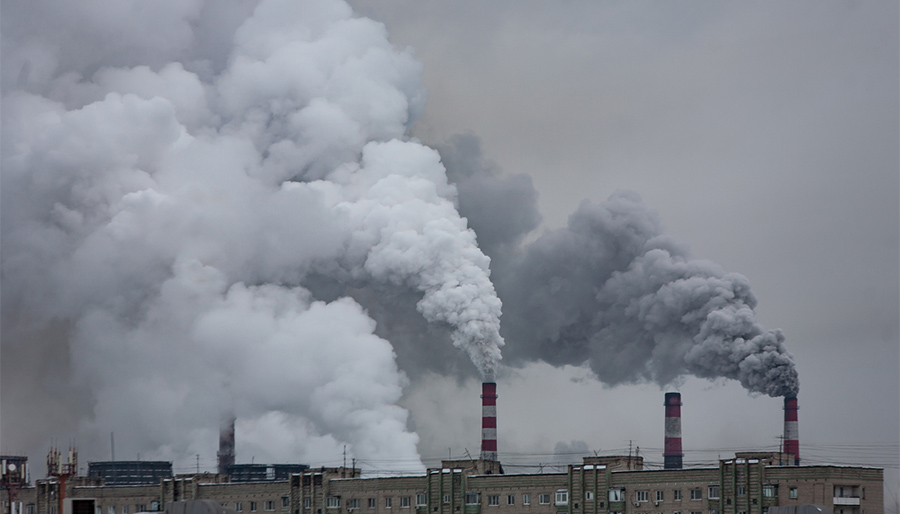
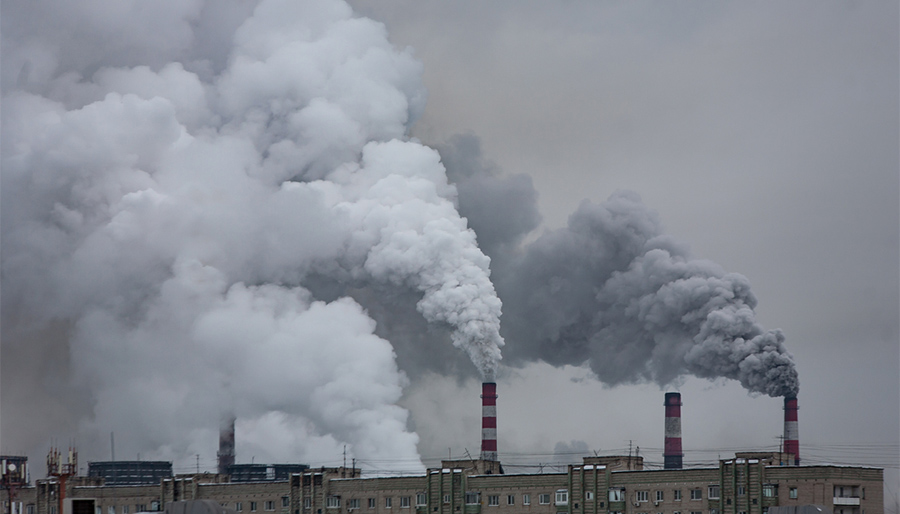
Industrial process heat remains a major barrier to progress, accounting for 18% of global greenhouse gas emissions. Despite rising regulatory scrutiny, increasing energy price volatility and growing pressure from customers and investors, heat decarbonisation efforts often stall due to limited data, technical complexity and financing challenges.
In order to change this, and succeed in decarbonising supply chain heat, businesses need to take a more holistic approach that starts with efficiency, and then moves to decarbonised fuels, so that the economics work. That’s where Secaro’s new programme comes in.
“Decarbonising heat is now business critical,” said Emily Prior, chief growth officer at Secaro. “It is an essential way to protect revenue, reduce exposure to energy price shocks, and stay ahead of regulation and investor and customer expectations… As part of this program, businesses will have access to a range of financing solutions, including access to the EU-based heat decarbonization fund and off-balance-sheet financing partners.”
The Clean Heat Program brings together Secaro’s global supply chain intelligence platform with ERM’s deep technical and advisory expertise to provide practical, implementation-focused support to help businesses and their suppliers overcome these barriers.
ERM is the world’s largest specialist sustainability consultancy, and has worked with Secaro, and pharmaceutical company AstraZeneca – which has joined the programme as a founding partner – to help accelerate the delivery of heat decarbonisation projects that have historically struggled to move beyond preliminary assessment.
Jon Hughes, partner at ERM, commented, “The Clean Heat Programme will provide clients with the practical implementation support required to decarbonize industrial heat while strengthening resilience, reducing risk, and unlocking value across supply chains.”
Secaro will provide a combination of environmental supply chain data, new heat-specific insights, analytics and solution recommendation tools, supported by its network of more than 8,000 buyers, suppliers and solutions providers. ERM will apply these insights to conduct detailed heat assessments and guide companies and their suppliers through solution identification, business case development, investment pathways and site level implementation. Meanwhile, AstraZeneca will contribute to program development, shared learning and cross-industry collaboration.
“It’s clear that a program like this is the fastest and most effective way to decarbonize heat in our supply chain,” added Rob Williams, senior director of sustainable procurement at AstraZeneca. “We are long-term partners with Secaro and ERM, and now we’re expanding relationships with peers, buyers from other industries, and suppliers to plan, fund, and launch the projects that will make heat decarbonization a reality. This level of collaboration is essential.”
ERM was also recently involved in a further sustainability-related project around the pharmaceutical space. As firms there struggle to phase petroleum-based solvents from their operations, a new consortium established by ERM and Ayming has landed a major funding injection from the government to, with expertise of firms including GSK, Croda, Exactment and Cytiva.
Source link
#Secaro #partners #ERM #launch #Clean #Heat #Programme