

It begins, oddly enough, like a film scene you wish was fiction, except it isn’t. A city already numb to violence pauses, watches and then absorbs something so grotesque that even Karachi’s long history of gang wars struggles to contain it.
What happened to Arshad Pappu in March 2013 wasn’t just a killing. It was theatre, revenge, politics, and terror stitched together into one of the most brutal episodes in Lyari’s blood-soaked history.
The Death That Shocked Lyari
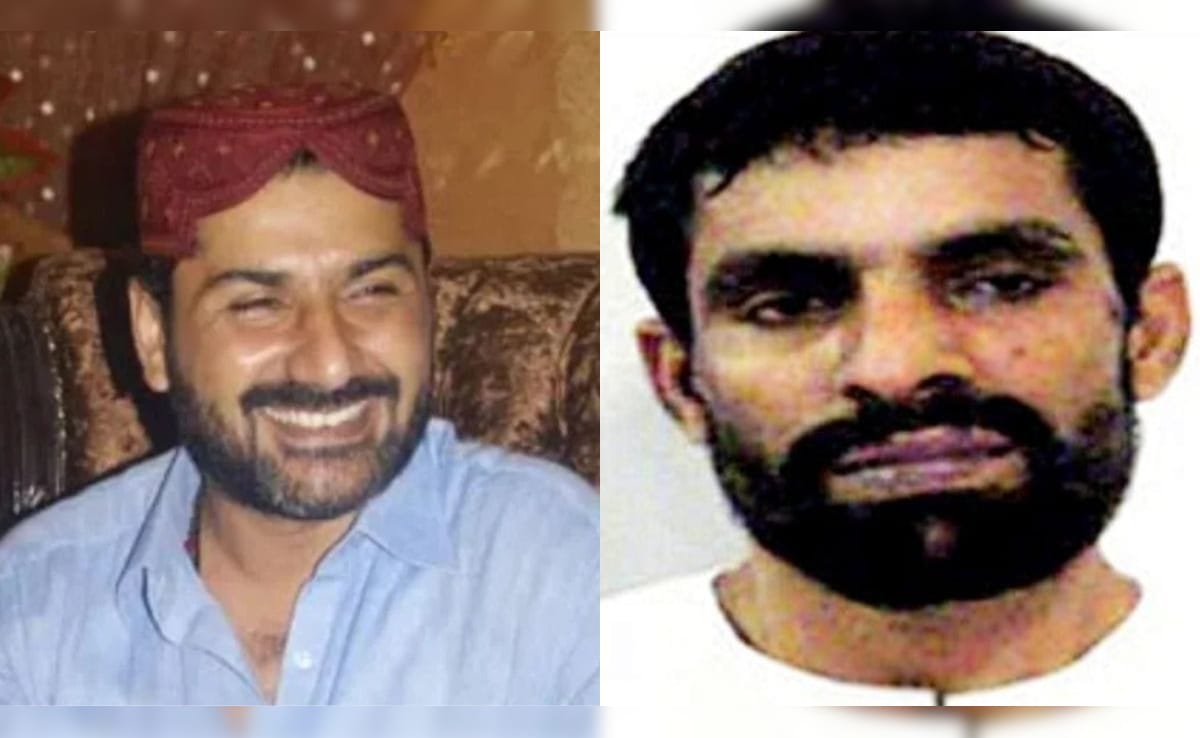
In March 2013, Arshad Pappu, once one of Lyari’s most feared gang leaders, was kidnapped along with his brother Yasir Arafat and aide Shera Pathan. The abduction reportedly took place from Karachi’s upscale Defence area, where they had gone to attend a party.
What followed was not a simple killing. It was a calculated spectacle of revenge.
Pappu, Yasir and Shera were taken back to Lyari, his enemy’s territory. There, they were tortured for hours. Accounts describe him being bound with ropes, beaten with blunt objects like hammers on chests, arms, legs, torso, and heads, causing severe swelling, cuts, and bleeding from repeated strikes.
The rivals first targeted Yasir Arafat, slaughtering him, then tortured and shot Shera Pathan and two accomplices.
The Torture Before Death
Arshad Pappu faced the worst: He was eventually beheaded.
But even that wasn’t the end.
His body, and that of his brother Yasir, were mutilated, tied to a car, paraded through the Lyari streets naked, and then burned. Their ashes were dumped into sewers.
Eyewitness accounts and later reports describe a chilling detail: His severed head was kicked around “like a football” by his killers.
Postmortem report of Pappu’s aide Shera Pathan’s body showed severe blunt-force trauma, limbs crushed and signs of prolonged torture
The brutality wasn’t incidental. It was intentional, meant to terrorise, dominate, and humiliate.
Who Killed Arshad Pappu, And Why
At the centre of this killing was Uzair Jan Baloch, a name that would become synonymous with Lyari’s next phase of violence. But this was not merely a gang rivalry, it was deeply personal.
Years earlier, in 2003, Uzair’s father, Faiz Muhammad, had been kidnapped and killed. The man responsible was Arshad Pappu.
That killing changed everything. Uzair initially pursued justice through legal means, but threats and intimidation forced his hand.
Eventually, Uzair joined his cousin Rehman Dakait’s gang, initially hesitant but ultimately driven by revenge.
Over time, he rose through the ranks and, after Rehman’s death in 2009, took over the gang and its political arm, the Peoples Aman Committee.
By 2013, the equation was simple: Pappu had killed Uzair’s father. Uzair would return the favour, multiplied.
The killing of Pappu wasn’t random. It was vengeance executed with theatrical brutality.
The Political Undercurrent
Lyari’s gang wars were never just about crime. They were deeply entangled with politics.
Pappu was widely seen as aligned with one political faction. Uzair’s Peoples Aman Committee had links with the Pakistan Peoples Party. The rivalry between gangs mirrored political turf wars.
By the time Pappu was killed, Lyari had become a battlefield where crime and politics were indistinguishable. The murder shifted the balance of power decisively in Uzair’s favour.
The Role Of Police, And The System’s Cracks
The case becomes even darker when law enforcement enters the frame.
Investigations and testimonies later revealed that the kidnappers were allegedly wearing Pakistan Rangers uniforms, raising serious questions about impersonation, or worse, complicity.
Several police officials were accused in the case, including SHOs who were later charged alongside Uzair Baloch.
The justice system, too, faltered repeatedly. Witnesses turned hostile, the accused remained absconders, and trials dragged on for years.
And then came a chilling pattern: Those linked to the case began dying.
The Deaths Of Accused Policemen
Former SHO Javed Baloch, along with his friend Abdul Rehman, were shot dead in 2022 while returning home after hearing of the 2013 triple murder case against them at an antiterrorism court inside the judicial complex in Karachi central prison.
Another former SHO, Chand Khan Niazi and his friend Muhammad Mussadiq were also gunned down in a similar manner. They were shot dead in the Soldier Bazaar area while returning from the same ATC conducting the trial of the Arshad Pappu murder case.
Investigators believed these killings were tied to old Lyari gang rivalries and the Pappu murder case itself.
Aditya Dhar’s Version Of Horror
Dhurandhar, the first film of the franchise, closes with the death of Rehman Dakait (Akshaye Khanna), orchestrated by undercover operative Hamza (Ranveer Singh) alongside Chaudhry Aslam (Sanjay Dutt).
But the emotional pivot is Uzair (Danish Pandor), grieving, broken, and unknowingly comforted by the man who killed his brother.
The message is clear: Revenge is coming.
The sequel, Dhurandhar 2, leans fully into the brutality of real events.
Arshad Pappu (Ashwin Dhar) rises briefly as “Lyari ka badshah,” only to become the next target.
What follows mirrors reality, only stylised: His aide is killed in front of him, he is tied to a moving vehicle, dragged across roads, brutally tortured, then beheaded.
And in the film’s most disturbing moment: Uzair plays football with his severed head.
The scene isn’t imagination. It is drawn directly from real-life accounts.
“That Incident Actually Happened In Real Life”
Actor Danish Pandor, who played Uzair, described his reaction to the sequence in an interview with Ent Live, “That incident has actually happened in real life. When I first read about it, I was very terrified, even reading about it made me wonder how someone could do something like that.”
He added, “When I read that scene, I was actually very excited to do it. I did that scene by staying in the moment and in the situation.”
And the cost of that immersion: “I hurt my thumb during the flow of the scene and was immediately rushed to the hospital.”
What Happened To Uzair Baloch After Killing Arshad Pappu
After orchestrating one of Lyari’s most brutal killings, Uzair’s story didn’t end, it escalated. He faced 50+ criminal cases, fled Pakistan, was arrested by Interpol in Dubai in 2014, extradited, and later sentenced to 12 years in prison in 2020
He remains one of Pakistan’s most infamous gangsters: a man shaped by revenge, and defined by it.
The Aftermath: A Death That Never Really Ended
Arshad Pappu’s killing didn’t close a chapter. It opened several. It redrew Lyari’s power map. It exposed the nexus between crime and politics. It dragged the police and institutions into suspicion.
And it triggered a chain of retaliatory killings that continued years later.
Even today, the case lingers in courts, in memories, and now, in cinema.
Source link
#iDhurandhar #Uzair #Baloch #Killed #Arshad #Pappu #Changed #Map #Lyari