More than five weeks into Operation Epic Fury, the U.S.-led military campaign against Iran that began Feb. 28, 2026, a range of advanced weapons has shaped the conflict’s deadly course. U.S. and allied forces have unleashed precision strikes on Iranian military targets, while Iran has responded with ballistic missiles, drones and air defenses that claimed at least one American aircraft.
Here are 10 of the most lethal weapons used so far, based on U.S. Central Command reports, independent analyses and public footage as of April 4. Lethality is assessed by destructive power, frequency of use, confirmed impacts and strategic effect.



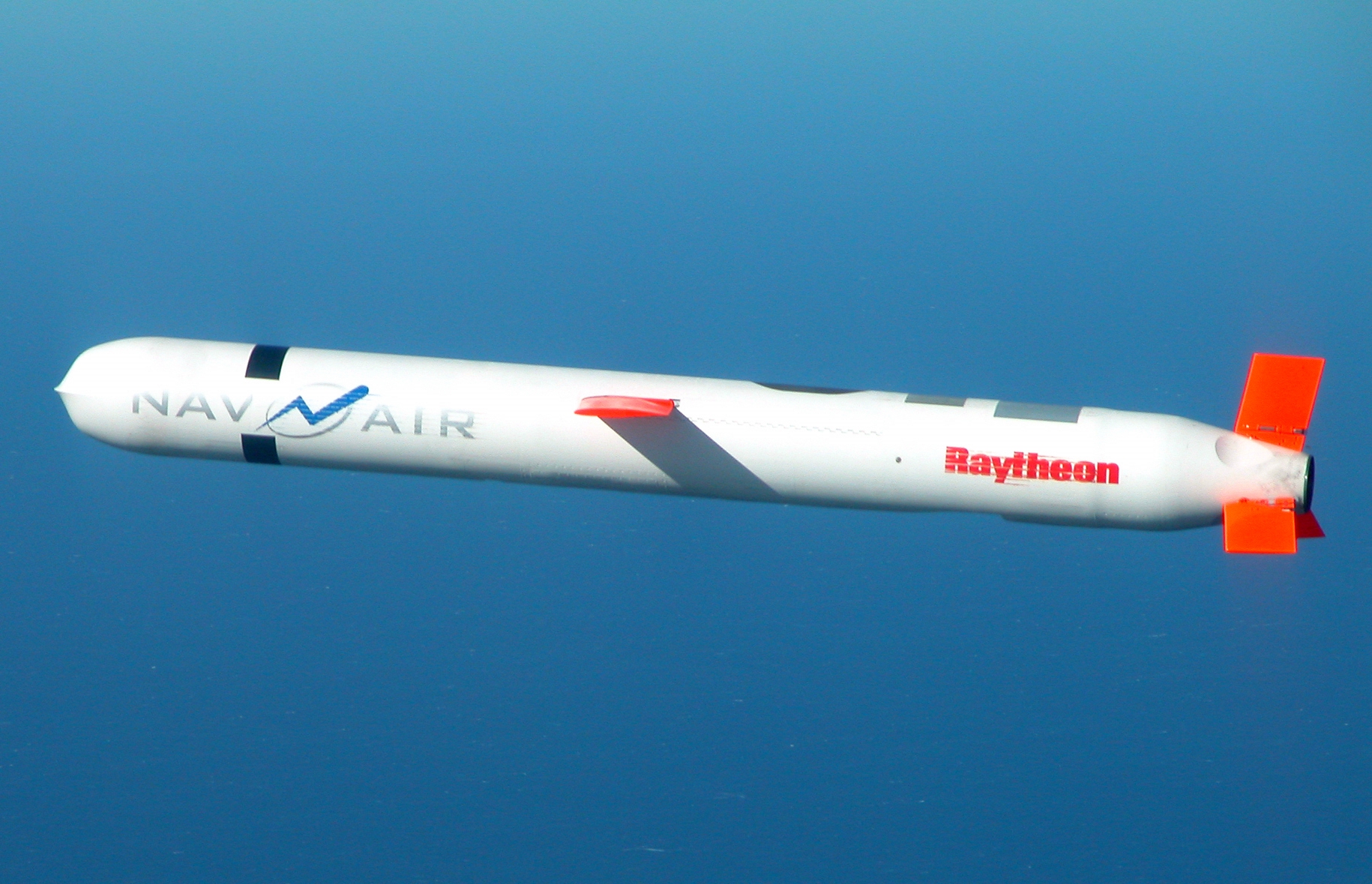
- Tomahawk Cruise Missiles The U.S. Navy has fired more than 850 Tomahawk land-attack missiles from destroyers and submarines since the campaign opened. These subsonic, GPS-guided weapons, capable of striking targets up to 1,000 miles away with 1,000-pound warheads, have devastated Iranian missile production facilities, naval vessels and command centers. Pentagon officials expressed alarm at the rapid depletion of stockpiles, with some describing the expenditure as “years’ worth” in just weeks. Tomahawks initiated many opening salvos and remain a backbone of standoff strikes.
- Precision Strike Missiles (PrSM) Used in combat for the first time, the Army’s PrSM extended-range rocket has delivered deep strikes from HIMARS and M270 launchers. With a range exceeding 400 kilometers and improved accuracy over its ATACMS predecessor, PrSM has targeted hardened sites. Controversy arose after reports linked a PrSM strike near Lamerd to civilian casualties, though U.S. officials denied hitting non-military areas. Its debut underscores the shift toward ground-launched precision fires.
- F-35 Lightning II Stealth Fighters U.S. and Israeli F-35 variants have conducted hundreds of sorties, penetrating Iranian airspace with advanced sensors and munitions. Equipped with JDAMs and small-diameter bombs, these fifth-generation jets have suppressed air defenses and struck deeply buried targets. Their low-observable technology has been key to maintaining air superiority despite Iranian attempts at retaliation.
- F-15E Strike Eagle The workhorse twin-seat fighter has flown extensive strike and suppression missions but suffered the first confirmed U.S. manned combat loss of the war on April 3. An F-15E was shot down over Iran, with one crew member rescued and search efforts continuing for the second. Earlier, three F-15Es were lost in a friendly-fire incident over Kuwait. The jet’s heavy payload and long range made it central to sustained operations.
- MQ-9 Reaper Drones Armed with Hellfire missiles and guided bombs, Reaper unmanned aircraft have provided persistent intelligence, surveillance and strike capability. Operating from regional bases, they have targeted time-sensitive Iranian assets, including missile launchers and naval vessels, while minimizing risk to pilots.
- HIMARS Rocket Systems The mobile M142 High Mobility Artillery Rocket System has launched salvos of guided rockets and PrSM missiles against Iranian ground targets. Its rapid mobility and precision have allowed U.S. forces to strike from safer distances, contributing to the destruction of hundreds of launchers and support infrastructure.
- B-2 Spirit Stealth Bombers These long-range bombers have dropped massive ordnance penetrators and other heavy munitions on deeply buried Iranian facilities, including missile production sites. Operating from distant bases, the B-2’s stealth and payload capacity enable strikes that conventional aircraft cannot easily replicate.
- Iranian Ballistic Missiles (Fateh, Shahab and Sejjil variants) Iran has fired hundreds of ballistic missiles at U.S. bases, Israeli targets and Gulf allies. Systems like the Fateh family, Shahab-3 derivatives and solid-fuel Sejjil have inflicted damage despite heavy interception. While many were downed by Patriot and THAAD systems, successful strikes have caused casualties and highlighted Iran’s asymmetric deterrent.
- Patriot and THAAD Air Defense Systems U.S. and allied Patriot MIM-104 and Terminal High Altitude Area Defense (THAAD) batteries have intercepted dozens of Iranian missiles and drones. These systems proved vital in protecting regional bases but have consumed significant stockpiles, raising concerns about sustained defense against prolonged barrages.
- JDAM-Equipped Bombs and Hellfire Missiles As expensive standoff munitions depleted, U.S. forces shifted to Joint Direct Attack Munitions (JDAM) kits on unguided bombs and AGM-114 Hellfire missiles from aircraft and drones. Tens of thousands of JDAMs provide cost-effective precision for closer-range strikes, while Hellfires have been used extensively against vehicles, small boats and personnel.
The conflict has exposed vulnerabilities on both sides. U.S. forces achieved early air supremacy and degraded much of Iran’s navy and missile infrastructure, sinking dozens of vessels and destroying launchers. Iran, however, has adapted with cheaper drone swarms, older ballistic missiles and portable air defenses that downed the F-15E. Civilian casualties have been reported on both sides, with Iranian officials citing strikes near populated areas and U.S. forces noting proxy attacks on bases.
Munitions stockpiles have become a central concern. Rapid Tomahawk and interceptor expenditure has prompted Pentagon discussions about accelerating production. Analysts warn that prolonged fighting could strain supplies further, particularly for high-end systems.
The war’s human cost remains fluid. U.S. and Israeli strikes have targeted military sites, while Iranian responses have hit regional facilities. Exact casualty figures vary by source, but both sides acknowledge significant losses.
As operations continue into April, the balance of lethality favors U.S. precision and air power, yet Iran’s ability to sustain asymmetric attacks with lower-cost weapons complicates a swift resolution. The downing of the F-15E on April 3 served as a reminder that no platform is invulnerable in contested airspace.
Military experts note the campaign’s evolution from initial high-end strikes to a mix of standoff and stand-in weapons. B-2 bombers and carrier-based aircraft have maintained pressure, while ground systems like HIMARS extend reach inland.
The list reflects weapons with the greatest documented impact through early April 2026. New systems or tactics could emerge as the conflict progresses. Both sides continue to adapt, with U.S. forces emphasizing precision to minimize collateral damage and Iran relying on volume and concealment.
The ongoing war underscores the high cost of modern conflict, where advanced munitions deliver devastating effect but deplete rapidly. As diplomatic efforts remain stalled, these weapons will likely determine the campaign’s next phase.
Originally published on ibtimes.com.au
Source link
#Lethal #Weapons #USIran #War #Tomahawks #Ballistic #Missiles