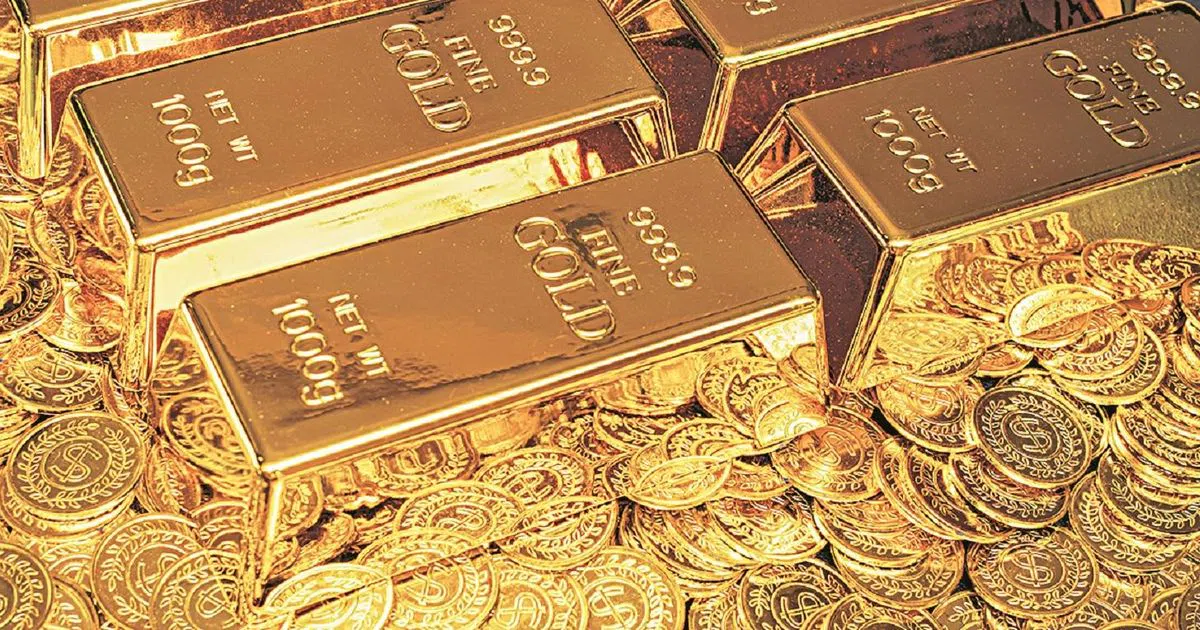
Gold, long considered the ultimate safe-haven asset, has delivered one of its most dramatic cycles in recent history—surging to record highs in 2025 before witnessing a sharp correction in early 2026. According to a detailed market analysis by Axis Mutual Fund, gold prices climbed to an all-time high of nearly $5,600 per ounce by January 2026, before falling sharply to the $4,100–$4,300 range by March, marking a steep 20–25% correction in just weeks!



The Perfect Storm Behind Gold’s Historic Rally
The rally in gold through 2025 was not accidental—it was driven by a convergence of powerful global trends.
First, geopolitical uncertainty played a central role. Ongoing conflicts, including the Ukraine war and tensions in the Middle East, triggered strong safe-haven demand. Investors moved away from volatile equities and into gold as a store of value.
Second, easy global liquidity amplified the rally. Central banks maintained accommodative monetary policies to counter slowing growth, leading to lower real interest rates. At the same time, the US dollar weakened by around 10% in 2025, making gold cheaper for global buyers and boosting demand.
Third, a structural shift—de-dollarisation—added a long-term tailwind. With US debt rising to nearly $39 trillion and fiscal deficits widening, central banks globally began diversifying reserves. Over the past three years, they collectively added around 1,000 tonnes of gold, increasing gold’s share in reserves from 13% to over 24%.
India was part of this trend, with the Reserve Bank of India steadily increasing its gold holdings.
The result: a powerful, multi-factor rally that pushed gold into uncharted territory.
The Sudden Reversal: What Went Wrong?
Just as quickly as gold rose, it fell—and the reasons reveal how fragile even strong trends can be.
The first trigger was profit booking and leverage unwinding. The rally had attracted leveraged positions from hedge funds and retail investors via futures and ETFs. As prices peaked, investors began exiting, triggering stop-losses and margin calls that accelerated the decline.
Second, geopolitical shocks flipped the narrative. The escalation of the US–Iran conflict in early 2026 led to a spike in oil prices, raising fears of inflation. This, in turn, changed central bank expectations.
Third, and most crucially, the global environment shifted from easy money to tight liquidity. The US Federal Reserve signalled that interest rates would remain higher for longer. As a result:
-
The US dollar strengthened sharply -
The 10-year US Treasury yield rose above 4.35% -
Dollar funding tightened globally
These factors are typically negative for gold, which does not yield interest and competes with fixed-income assets.
The impact was swift. Gold recorded its sharpest weekly fall since 1983, dropping over 10% in a week, while silver fell more than 15%.
What Next for Gold?
“As of 24th March 2026, gold trades around the mid-$4,000s per ounce, having erased its gains for the year. There are early signs of bargain-hunting: speculative positions have started to build again anticipating a comeback. However, the outlook will depend on how the global macro environment evolves. In the near term, much hinges on liquidity, inflation and central banks,” said Axis MF in a note.
Scenario 1: If inflation remains elevated due to persistent high oil prices, central bankers may keep liquidity tight – bolstering the dollar and yields, which would cap gold’s upside.
Scenario 2: On the other hand, if oil prices settle down indicating lower inflation risk, it could rekindle expectations of rate cuts, easier liquidity and a weaker dollar: conditions under which gold typically thrives.
Moreover, if geopolitical risks intensify to the point of severely undermining global growth (a “hard landing” scenario), even a hawkish Fed might be forced to pivot, potentially restoring gold’s safe-haven shine.
“Gold’s 2025 rally was built on trust: that inflation would stay low, interest rates would fall, and gold would safeguard against geopolitical storms and currency debasement. The early 2026 sell-off was driven by fear: that inflation would spiral, liquidity would tighten, and even traditional buyers might turn into sellers. For now, Gold’s lustre is tempered by a resurgent dollar and high interest rates. Yet the long-term story – of central banks, investors, and even Indian households valuing gold as a resilient store of wealth – remains intact,” said the report.
What this means for you:
The gold cycle of 2025–26 reinforces a critical investment principle: even safe-haven assets are not immune to macro shifts.
Three key takeaways stand out:
1. Gold’s rally was driven by easy money, and its fall by tightening liquidity. For investors, tracking interest rates, dollar strength, and liquidity cycles is as important as tracking gold demand.
2. Despite the correction, gold continues to play a role as a portfolio hedge against geopolitical and currency risks. However, over-allocation based on momentum can backfire.
3. A 20–25% correction in a few weeks highlights gold’s increasing volatility. For disciplined investors, such phases can offer staggered buying opportunities rather than reasons to exit entirely.
Source link
#Golds #fall #record #highs #cycle #means #investors