Iran’s plan to charge vessels passing through the Strait of Hormuz is emerging as a major point of contention following a fragile ceasefire with the U.S., with conflicting accounts over whether ships will be allowed to transit freely.
Iranian officials have indicated that vessels will be required to pay fees to cross the strait, framing the move as part of coordinated security measures, ABC News reported. Tehran has argued that it is entitled to regulate transit through the waterway after weeks of conflict.



However, the Trump administration has pushed back, calling for the “immediate” reopening of the strait without restrictions, Reuters added, highlighting a widening gap between the two sides despite the ceasefire announcement.
The Strait of Hormuz is one of the world’s most critical energy chokepoints, handling about 20% of global oil shipments. Any disruption, or added cost, has immediate implications for global energy markets and supply chains.
While Iran has not formally outlined a pricing model, estimates cited by the New York Post suggest fees could reach between $1 million and $2 million per tanker transit, with Tehran seeking $1 per barrel of oil in transit. Based on typical traffic volumes through the strait, analysts say such a system could generate billions of dollars annually if implemented at scale.
The proposal has triggered legal concerns among Western governments and maritime experts. Under the United Nations Convention on the Law of the Sea, countries bordering key transit straits are not permitted to impose charges for passage, except for specific services, Reuters explained. U.S. officials and allies have argued that any attempt to levy blanket transit fees would violate international law.
More than 40 countries have previously called for the unrestricted reopening of the waterway, The Guardian noted, underscoring the global stakes tied to uninterrupted access.
Shipping companies are now weighing whether it is safe, and economically viable, to resume operations. Industry players are seeking clarity on both security conditions and potential costs before sending vessels back through the strait, Euronews reported.
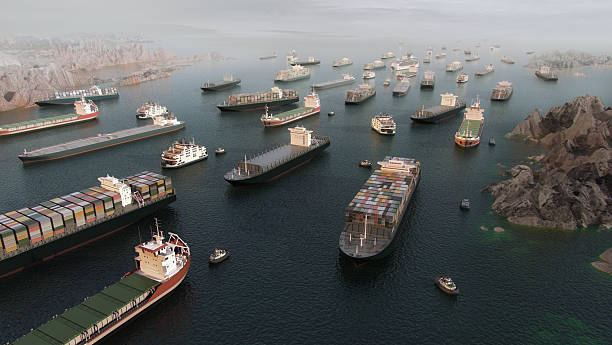
The uncertainty has left hundreds of ships effectively stranded. Around 800 vessels remain delayed due to the recent escalation, Bloomberg reported, with operators facing mounting losses as cargoes sit idle.
Executives in the sector have warned that even the prospect of tolls could drive up freight rates and insurance premiums. Companies are continuing to reroute shipments or pause operations altogether until clearer guidance emerges, Euronews noted.
Iran has also suggested that transit through the strait may be coordinated rather than fully open, Seatrade Maritime reported, adding to concerns that access could be selectively enforced depending on geopolitical alignment.
Analysts say the toll proposal may serve as a broader strategic lever. Tehran could use control over the strait to exert pressure on rival economies while potentially granting preferential access to friendly nations. There are also indications that Iran may seek to denominate fees in non-dollar currencies such as the Chinese yuan, Al Jazeera reported, a move that could add friction to global trade systems.
Despite the ceasefire, risks of escalation remain. Iran has warned that vessels passing without authorization could face action, the New York Post reported, raising concerns about miscalculation in one of the world’s busiest shipping corridors.
The disagreement over transit rules highlights the fragile nature of the current truce. While Iran has suggested that its terms have largely been accepted, U.S. officials maintain that negotiations are ongoing and centered on Washington’s demands, Reuters reported.
Talks are expected to continue in the coming days, but key questions remain unresolved, including whether ships will be able to pass freely through the Strait of Hormuz, and at what cost.
Source link
#Irans #Hormuz #Toll #Plan #Sparks #Rift #Ceasefire #Leaves #Shipping #Rules #Unclear