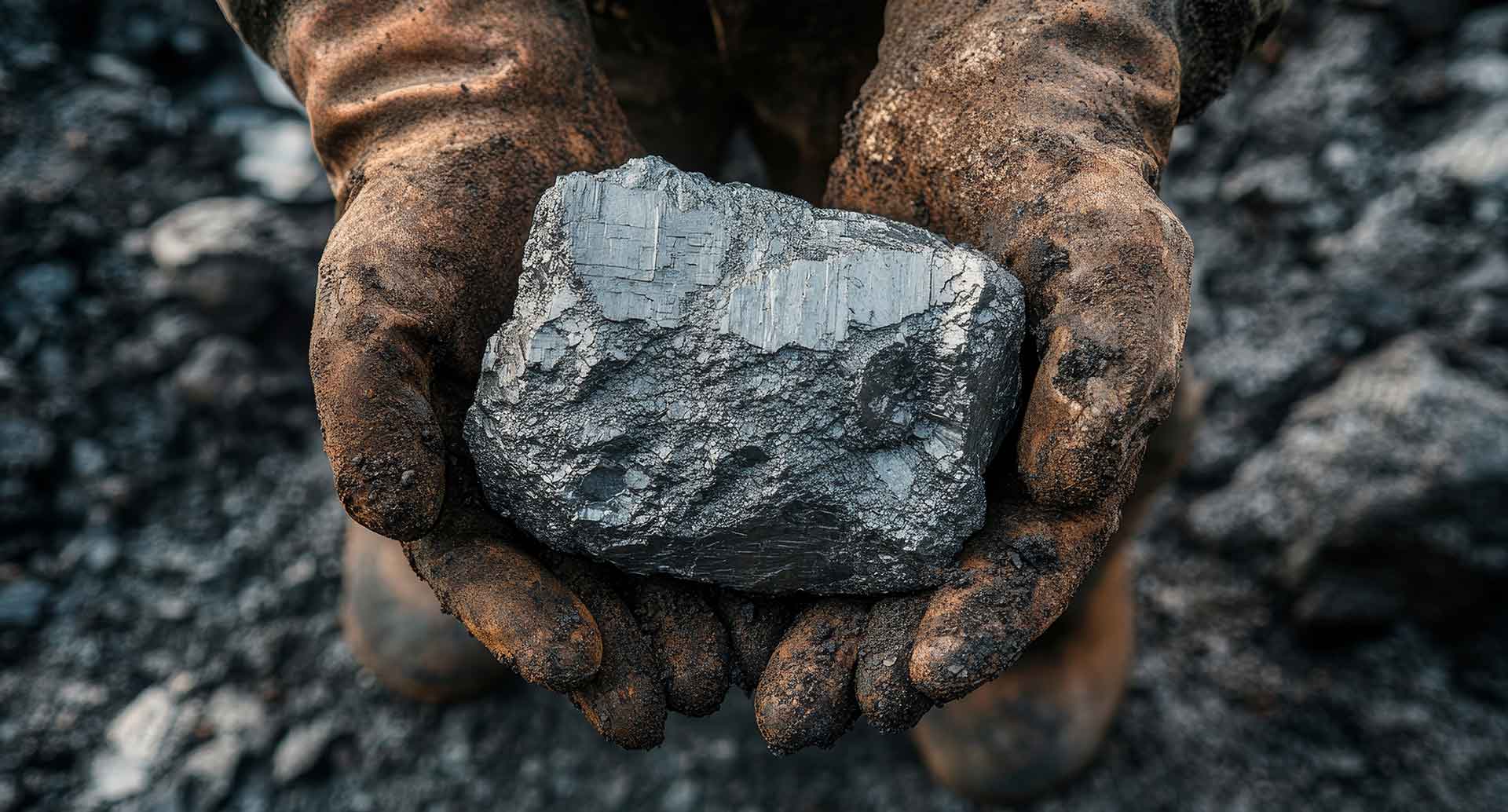
Concerns about the reliability of rare earth mineral supplies are rising across global technology and defence industries, highlighting a growing vulnerability in the supply chains that underpin advanced electronics, semiconductors and military systems.
While these minerals rarely attract the same attention as oil or copper, they underpin many of the world’s fastest-growing industrial sectors. From electric vehicles and renewable energy systems to telecommunications networks and advanced defence technologies, modern manufacturing depends on a small group of specialised elements produced in highly concentrated supply chains.



That combination — rising demand and concentrated production — is increasingly being viewed by policymakers and industry leaders as a strategic vulnerability.
Shortages Emerging in Specialized Rare Earth Markets
Industry executives and analysts say supplies of certain heavy rare earth elements, particularly yttrium and scandium, have tightened in recent months.
These materials are critical inputs for advanced technologies ranging from high-frequency communications components and semiconductor manufacturing to defence systems and high-performance aerospace alloys.
Because many rare earth elements are produced only in limited quantities and are often recovered as by-products of other mining processes, increasing supply can be slow and difficult. Even modest disruptions in mining output, refining capacity or export flows can therefore have disproportionate effects on downstream industries.
For manufacturers in sectors such as semiconductors, telecommunications and aerospace, access to these specialised minerals can quickly become a critical operational constraint.
Concentrated Supply Chains Create Structural Risk
A central issue is the growing concentration of global critical mineral supply chains.
According to the International Energy Agency’s Global Critical Minerals Outlook 2025, production and refining of key energy minerals have become increasingly concentrated in recent years. Between 2020 and 2024, the combined market share of the three largest refining countries for major energy-related minerals rose from roughly 82% to around 86%.
China holds a particularly strong position across multiple stages of the critical mineral supply chain and remains the dominant refiner of many materials used in energy technologies, electronics and advanced manufacturing.
Such concentration means supply disruptions—whether driven by geopolitical tensions, export restrictions or operational problems—can quickly ripple through global industrial supply chains.
Demand From Energy and Technology Sectors Is Accelerating
At the same time, demand for critical minerals continues to grow.
The International Energy Agency estimates that global demand for minerals such as nickel, cobalt, graphite and rare earth elements increased by roughly 6–8% in 2024, driven largely by expanding electric vehicle production, battery storage deployment, renewable energy infrastructure and electricity grid investment.
Rare earth elements are particularly important in the production of high-strength permanent magnets used in electric motors, wind turbines and a wide range of advanced industrial applications.
As electrification accelerates and digital infrastructure expands, demand for these materials is likely to remain structurally strong.
Export Controls and Geopolitical Pressures Add Uncertainty
Supply risks are also being amplified by a growing number of export restrictions and trade controls on strategic minerals.
The International Energy Agency notes that export control measures affecting critical minerals have expanded significantly in recent years, particularly since 2023. Increasingly, these restrictions apply not only to raw materials but also to the processing technologies used in mineral refining.
For companies that rely on stable access to specialised materials, such policy shifts can introduce additional uncertainty into already fragile supply chains.
Even when markets appear balanced under normal conditions, the International Energy Agency warns that removing the largest supplier from global supply calculations would reveal significant vulnerabilities across several mineral markets.
Small Commodity Markets With Outsized Economic Impact
Another challenge lies in the nature of the markets themselves.
Many strategic minerals are traded in relatively small and opaque markets compared with traditional commodities. According to the International Energy Agency, among a broader group of 20 energy-related strategic minerals, roughly three-quarters exhibit greater price volatility than oil.
These markets also tend to lack the flexibility seen in larger commodity sectors because many minerals are produced as by-products of other metals. This limits producers’ ability to increase output quickly in response to price signals or sudden demand spikes.
As a result, relatively small disruptions in supply can translate into significant price swings and production bottlenecks for downstream industries.
Why Critical Minerals Are Becoming a Strategic Economic Issue
For governments and corporate leaders alike, access to critical minerals is increasingly seen as a strategic economic issue rather than simply a commodity supply question.
Modern industrial systems — from clean energy technologies and electric vehicles to semiconductors and defence platforms — depend on a set of specialised materials that remain geographically concentrated and difficult to substitute.
That dynamic means the economic consequences of rare earth shortages extend far beyond the mining sector itself.
For advanced manufacturing economies, securing stable access to critical minerals is becoming an industrial policy challenge comparable to energy security or semiconductor supply resilience.
As demand for electrification technologies, digital infrastructure and advanced manufacturing continues to grow, the stability of critical mineral supply chains is likely to remain a defining issue for governments, investors and corporate strategy in the years ahead.
Source link
#Rare #Earth #Supply #Risks #Emerging #Strategic #Threat #Global #Tech #Defence #Industries