

With the United States, Israel and Iran at war, India Inc is on the verge of facing one of its biggest geopolitical challenges in recent times. The Iran war launched by the US and Israel continued for a third day Monday with more attacks on Iran, which is hitting back at Israel and its Arab neighbors. Moreover, the US President Donald Trump has threatened that the war could last as long as five weeks or longer.
Trade experts say the escalating tensions should not be confused with another regional conflict but one that could spiral into major macroeconomic risk for India. And the pain will be felt by India Inc and the country’s citizens alike.
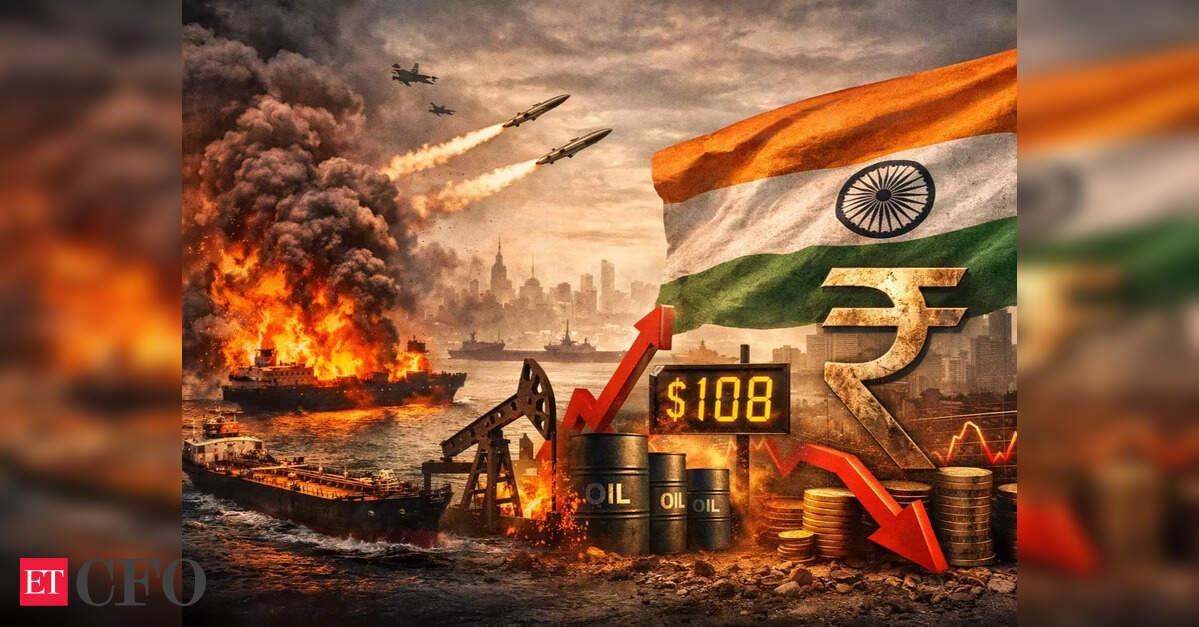
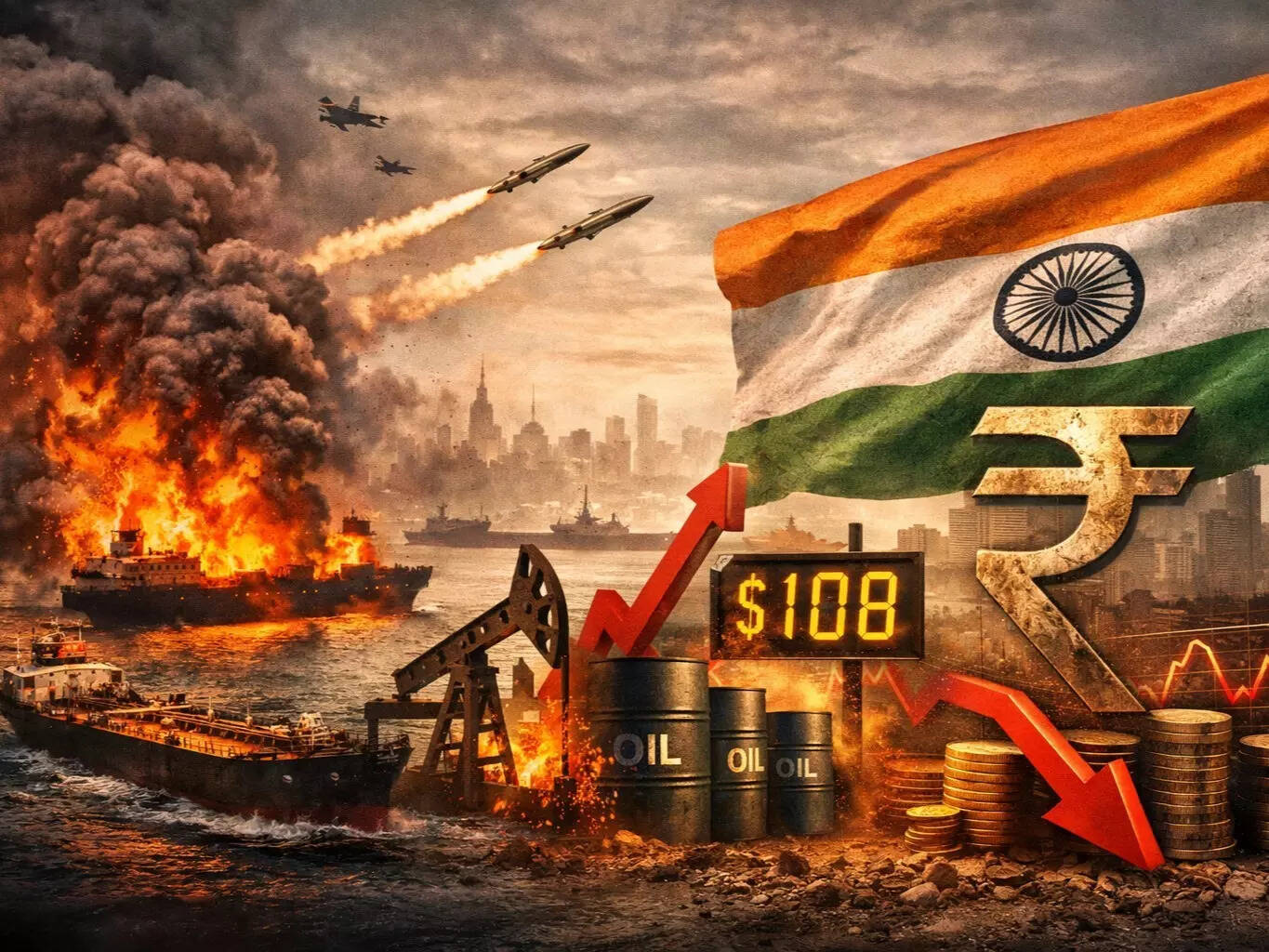
India imports roughly 85% of its crude oil and an estimated 40% of this passes through the Strait of Hormuz which Iran has threatened to close. Apart from crude oil, over 50% of India’s LNG imports sourced from Qatar and UAE – critical for industries like power generation, industrial heating, manufacturing feedstock, and transportation also pass through the Strait of Hormuz.
According to trade pundits even without a blockade, heightened tensions can push up crude prices through risk premiums. Brent crude prices soared over 8% to climb $79 a barrel on Monday, the highest level since January 2025, according to data by tradingecnomics.com
“This raises the import bill, widens the current account deficit, pressures the rupee and fuels inflation. Sustained oil increases cascade across transport, power, chemicals and manufacturing, raising economy-wide costs,” said Ajay Sahai, DG and CEO, Federation of Indian Exports Organization (FIEO).
Sahai highlighted that for India Inc, the immediate concern is risk repricing across energy, shipping, insurance and currency markets rather than physical disruption adding that volatility in crude, freight and the rupee already reflects this. “On the ground, exporters report buyer caution, requests for price extensions, possible shipping surcharges and active contingency planning,” he said.
Physical disruption a key risk for LNG Imports
While physical disruption may not be an immediate threat, experts say it is a possible scenario if the war stretches for more than a week. Unlike crude oil stocks that can cover up to 74 days of demand, Indian companies typically maintain limited on-shore storage for LNG, often just a few days of supply. Moreover, experts also flag LPG stocks that can only run for about two weeks – threatening household supplies.
“Our LPG stocks are not very large — roughly 10 to 15 days. If the war continues beyond a week, the immediate impact will be on oil, LNG and LPG supplies. This is not just about inflation. If supply gets disrupted and stocks run down, it becomes a physical supply problem affecting households and industry,” said Ajay Shrivastava, Founder, Global Trade Research Initiative.
What should India Inc be preparing for?
Trade experts said crude is only the first-order impact. Second-order risks include higher freight rates due to rerouting and war-risk surcharges, rising marine insurance premiums, currency volatility and longer transit times. These can disrupt supply chains and increase working capital pressures. MSME exporters, in particular, may face liquidity stress if payment cycles lengthen, they said.
“Insurance companies have already begun pulling back coverage, and premiums will rise sharply. Freight disruptions will follow if ships are unable to enter conflict zones. For the first week, the main impact will be energy. But if the war prolongs, second-order risks such as export disruptions, order cancellations, and supply chain rerouting will start to become visible,” said Shrivastava.
Sahai said that Indian exporters must hedge not only price and currency risks but also concentration risks in markets and logistics routes, adding that the response should be diversification, flexible contracts, stronger hedging and alternate sourcing. “The focus must be preparedness, not panic,” he said.

Source link
#USIran #War #India #prepare #hedge #risks #panic #experts