Indian equity markets have entered a phase of heightened volatility amid rising geopolitical tensions and a sharp surge in crude oil prices, but valuations are becoming attractive and long-term fundamentals remain intact, according to the latest outlook by Axis Asset Management.


The Equity Market Outlook – March 2026 report highlights that while global uncertainties—particularly the ongoing Middle East conflict—have weighed on investor sentiment, such disruptions have historically led to short-term corrections rather than prolonged downturns.
Geopolitics clouds near-term outlook
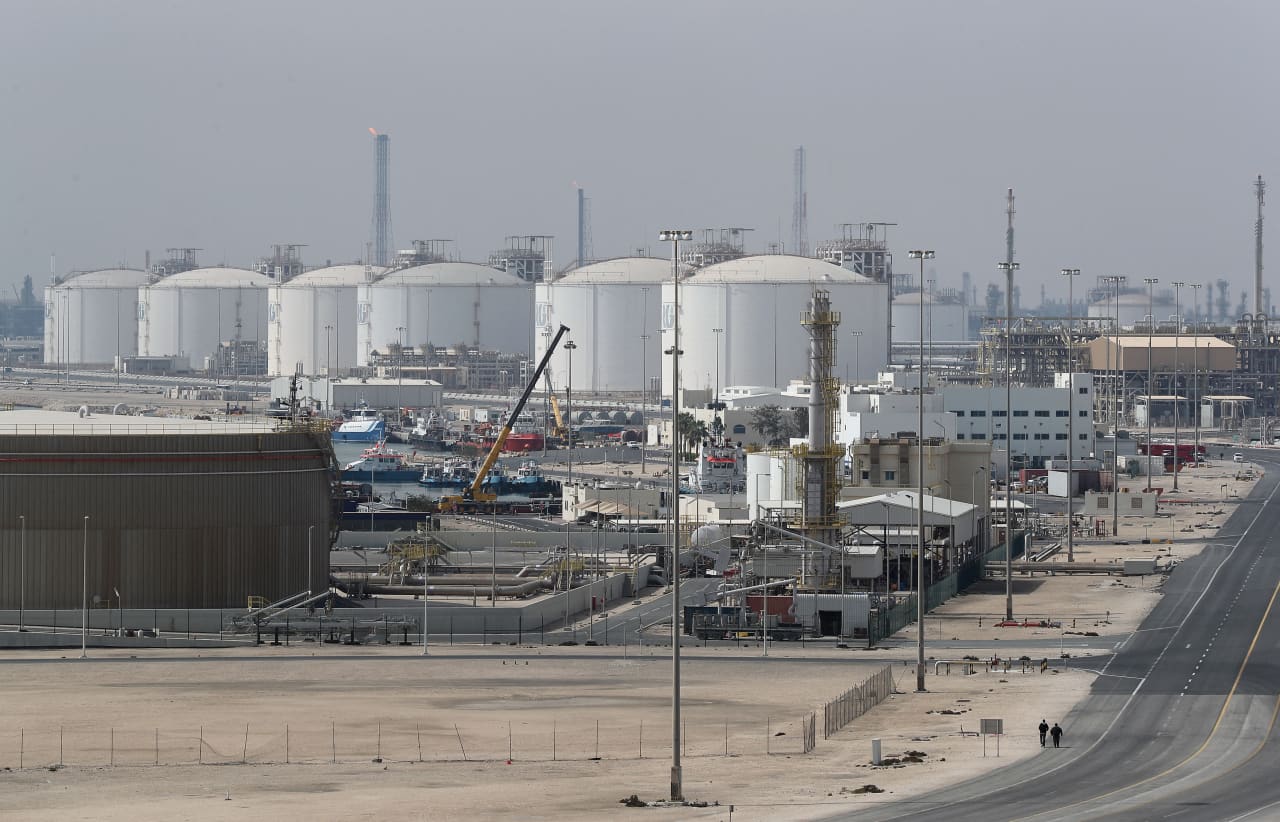
The escalation of geopolitical tensions has pushed oil prices higher, raising concerns around inflation, currency stability and economic growth.
India, which imports over 80% of its energy needs, remains vulnerable to crude shocks. Every $10 per barrel increase in oil prices can widen the current account deficit by about $20 billion (0.5% of GDP), the report noted.
However, experts at Axis MF believe the impact is likely to be temporary, with markets typically stabilising once uncertainty reduces.
Valuations become more reasonable
After recent corrections, valuations across segments have moderated.
Nifty 1-year forward PE stands at 17.8x, below its long-term average
Midcap and smallcap valuations have also corrected, though they still trade at a premium to large caps.
This moderation, combined with improving earnings expectations, is creating a more favourable entry point for investors.
Earnings recovery gaining traction
Corporate earnings are showing signs of revival.
Nifty-500 companies reported strong double-digit earnings growth in Q3FY26, the highest in eight quarters. Midcaps and small caps led the recovery, with 20% and 26% YoY earnings growth, respectively.
Nearly half of companies reported earnings growth of over 15%, indicating broad-based improvement across sectors.
Domestic economy remains a strong anchor
Despite global headwinds, India’s domestic fundamentals continue to provide resilience.
GDP growth has hit a six-quarter high
Consumption remains a key driver of economic activity
Government-led capex continues to support growth
Corporate balance sheets and bank asset quality have improved significantly
Inflation risks rising
One area of concern is inflation.
Consumer price inflation has risen to 3.2%, driven by food prices and commodity costs. If crude prices remain elevated, inflation risks could increase further, potentially impacting interest rates and consumption.
Markets historically resilient to conflicts
The report points out that geopolitical events—from the Russia–Ukraine war to past conflicts in the Middle East—have typically caused only temporary market disruptions.
In most cases, Indian markets have recovered quickly and delivered positive returns over the following year, driven by domestic growth factors such as consumption, capex and digitisation.
What should investors do?
Axis MF suggests that investors focus on stock selection and long-term fundamentals rather than reacting to short-term volatility.
Key strategies include:
-
Focus on growth at reasonable valuations (GARP) -
Prefer domestic-oriented sectors over export-heavy ones -
Maintain a long-term investment horizon -
Use corrections as accumulation opportunities
Sectors to watch
The report highlights several themes driving future growth:
-
Automobiles (premiumisation trend) -
Pharmaceuticals -
Quick commerce (high growth phase) -
Electronics manufacturing (PLI-led growth) -
Travel and tourism -
Renewable energy and power infrastructure
Source link
#Volatility #equities #Axis #lists #quality #themes