Note: We are holding a largest gathering of India Inc CFOs today in Mumbai, join us at the ETCFO Leadership Summit.



Dear Readers,
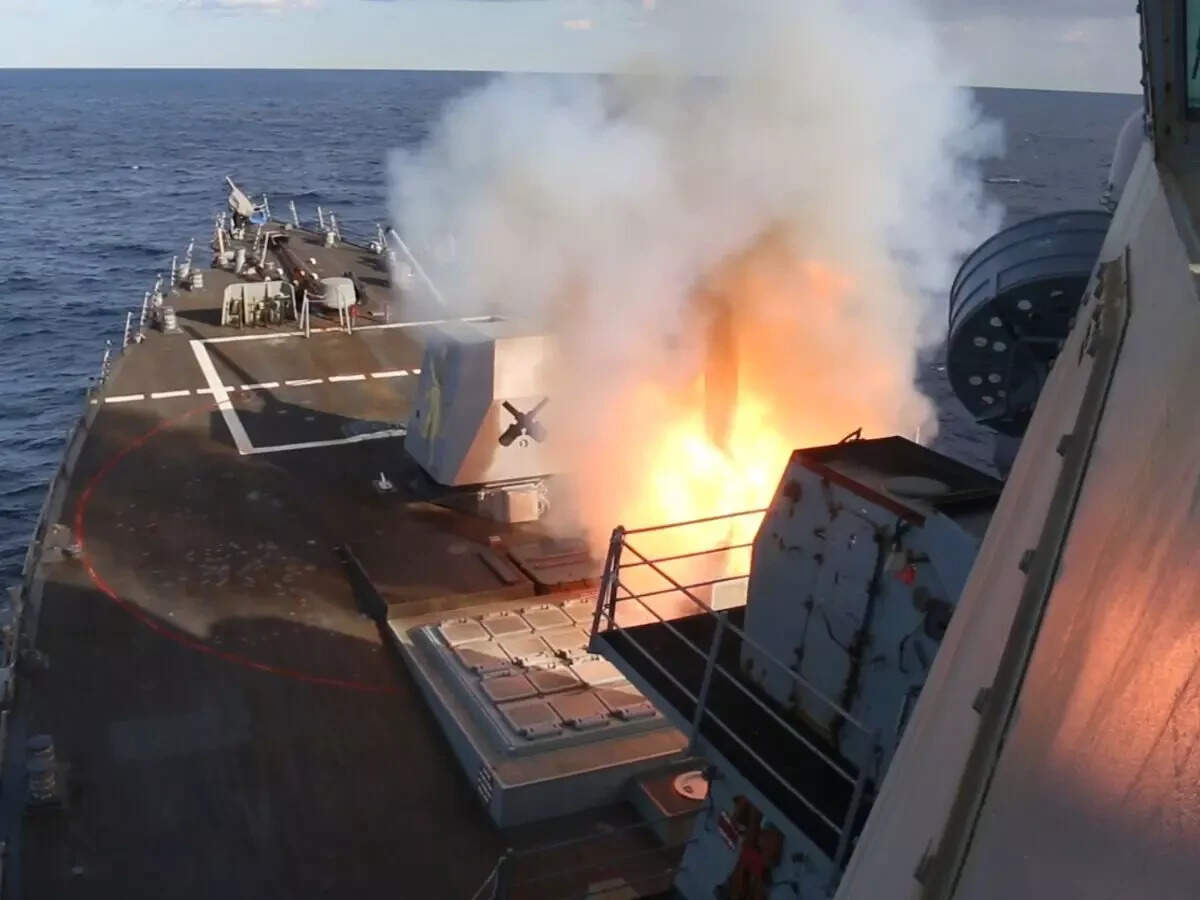
War, one of humanity’s biggest fears, is once again staring the world in the face. Will it aggravate further? Let us hope and pray it does not. But the reality is perilous. Technology has advanced to such an extent that a ballistic missile can travel nearly 3,000 miles within 10 to 15 minutes and destroy an area of 1 to 2 miles. Many countries now possess such capabilities. Gone are the days when soldiers crossed borders and fought long ground battles. These are new-age conflicts where destruction can arrive through the air within minutes.
I believe what makes the situation far more worrying today is how deeply interconnected the world has become. Italian pizza and South Korean kimchi are now part of the Indian buffet. Similarly, Indian basmati rice and paneer have found their way into kitchens across continents. Trade, supply chains and financial markets now operate in a tightly integrated global network.
That is precisely why even a distant geopolitical conflict can quietly reach the Indian economy. Already, there are early signals. India’s basmati rice consignments are reportedly being held up at ports amid escalating tensions in Gulf countries and uncertainty around shipping routes. What appears like a distant war on the map can begin affecting trade flows, logistics and costs within weeks.
The strategic risk in the Strait of Hormuz
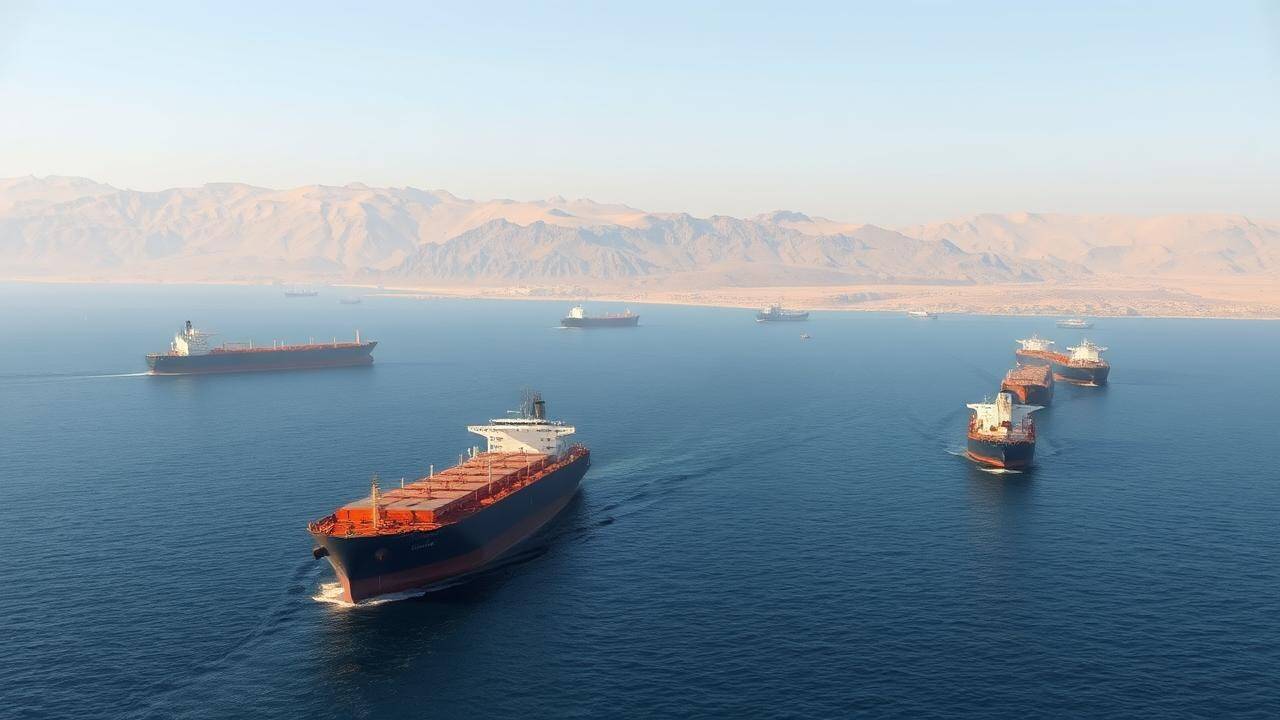
The larger strategic concern lies in the Strait of Hormuz near Iran. Nearly one-fifth of the world’s oil supply, about 20 million barrels per day, passes through this narrow waterway. For India, the dependence is particularly critical because a large portion of its oil imports originates from the Gulf region, including Iraq, Saudi Arabia, the UAE and Kuwait.
India imports nearly 85 per cent of its crude oil requirement. That single statistic explains why global oil disruptions matter so deeply for the country. The first and most immediate impact of any escalation is crude oil prices. Even a $10 increase in global crude prices can raise India’s annual import bill by roughly 15 billion dollars. If shipping routes become uncertain or supply chains are disrupted, prices can spike sharply.
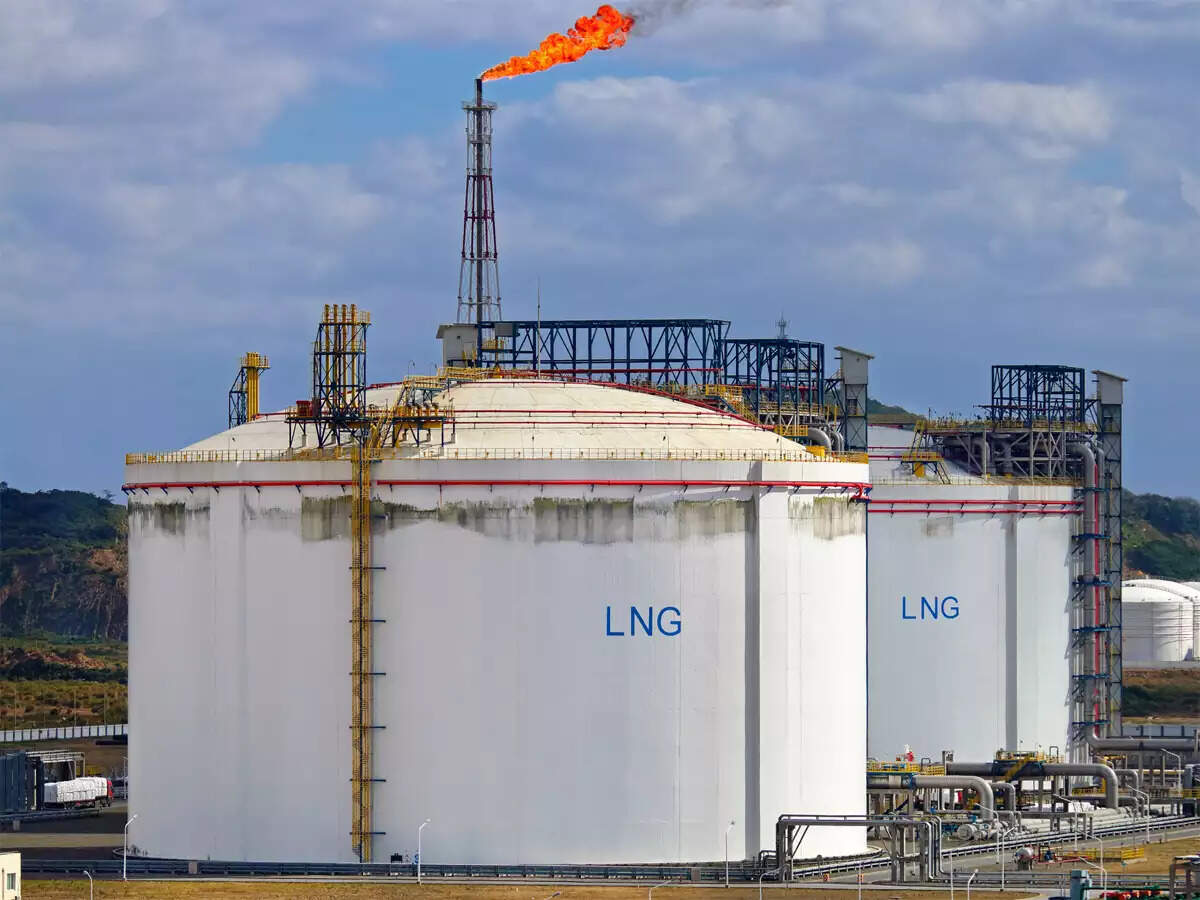
The conflict is already rippling through global energy markets. Qatar, the world’s largest LNG exporter and India’s biggest gas supplier, has halted some supplies after escalating tensions in the Gulf. Given that India sources roughly 40-45 per cent of its LNG imports from Qatar, the disruption risks tightening supply and pushing up spot prices, forcing Indian buyers to scout for alternative cargoes while prioritising key sectors such as fertiliser and city gas distribution.
India’s current account deficit has remained manageable in recent quarters at around 1 to 1.5 per cent of GDP. But history shows that whenever crude prices move above $100 per barrel, pressure on India’s external balances becomes visible. The oil shocks of the past and the 2022 Russia-Ukraine conflict offer clear reminders.
I think this is where India’s vulnerability becomes visible. Energy dependence makes the economy sensitive to geopolitical disruptions that lie far beyond its control.
Pressure on the rupee and inflation
A rising import bill inevitably places pressure on the rupee. Currency markets react quickly to global shocks. A weaker rupee makes imports more expensive, not only oil but also fertilisers, chemicals, electronics and industrial machinery.
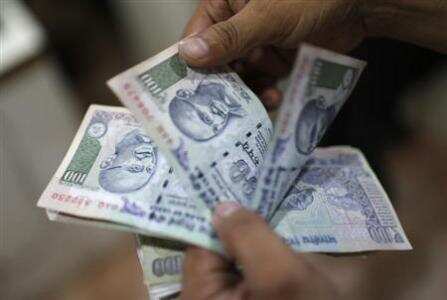
India imports billions of dollars’ worth of electronic components and technology equipment every year. A depreciating rupee, therefore, feeds directly into higher production costs across multiple sectors.
The second channel of impact is inflation. Fuel sits at the centre of economic activity. It powers transportation, agriculture, logistics and manufacturing. Diesel alone accounts for a large share of India’s petroleum consumption and is widely used in trucks, farm equipment and supply chains.
When fuel becomes expensive, transportation costs rise. When transportation costs rise, food prices and commodity prices follow. The transmission may not be immediate, but it is almost inevitable.
In my view, this is where the pressure slowly reaches the common household. What begins as a geopolitical event gradually appears in the form of higher transport costs, food inflation and daily expenses.
Higher inflation also limits policy flexibility. If price pressures rise due to energy costs, the central bank may find it difficult to cut interest rates even if growth slows. Monetary policy, therefore, becomes constrained.
Financial markets and trade impact
Financial markets are another channel through which geopolitical shocks travel. During periods of global uncertainty, investors tend to become risk-averse. Capital often shifts away from emerging markets and moves towards safer assets such as gold or US treasury bonds.
India has witnessed this pattern repeatedly. Foreign portfolio investors can withdraw billions of dollars from equity markets during periods of global stress. Such capital outflows create volatility in stock markets and place additional pressure on the rupee.
Trade and logistics will also feel the strain. With ships avoiding risky maritime routes and insurance premiums rising for vessels travelling through conflict zones, shipping costs have increased sharply. Marine insurance rates have historically surged during geopolitical tensions in the Gulf.
Higher freight costs make both exports and imports more expensive and can slow trade momentum.
The Gulf region is also an important destination for Indian exports, including petroleum products, engineering goods, food products and rice. Any disruption in logistics or payments can affect these flows.
Remittances form another sensitive pillar. Millions of Indians work in Gulf economies and send money back home. India receives more than $120 billion in remittances annually, which is the highest in the world. A significant share originates from West Asia.

If economic conditions in the region deteriorate due to prolonged conflict, employment prospects for expatriate workers may weaken. Even a modest slowdown in remittance inflows can affect household consumption in several Indian states.
Corporate India turns cautious
Corporate India will naturally respond to such uncertainty with caution. Private sector capital expenditure has already been relatively subdued compared with earlier investment cycles. When geopolitical risks rise companies tend to postpone expansion plans and delay fresh investments.
Energy-intensive sectors such as aviation, logistics, cement, chemicals and metals will face higher input costs due to rising fuel prices. Airlines are particularly vulnerable because aviation turbine fuel accounts for nearly one third of operating expenses.

Some companies may attempt to pass these costs on to consumers. However, demand conditions may not always allow that. This can squeeze corporate margins.
Import-dependent sectors such as electronics manufacturing and automobiles may also face pressure from a weaker rupee and higher freight costs.
I believe that in such an environment, businesses usually prioritise conserving cash, controlling expenses and protecting margins rather than expanding aggressively.
Implications for India’s growth ambition
The deeper concern lies in what this means for India’s long-term growth trajectory. The country has set an ambitious goal of becoming a developed economy by 2047. Achieving that vision requires sustaining GDP growth of around 7 to 8 per cent for the next two decades.
Persistent energy shocks and geopolitical disruptions can slow this momentum. Economists estimate that a sustained $10 to $15 increase in crude oil prices can shave 20 to 50 basis points off India’s GDP growth through weaker consumption, higher inflation and delayed investment.
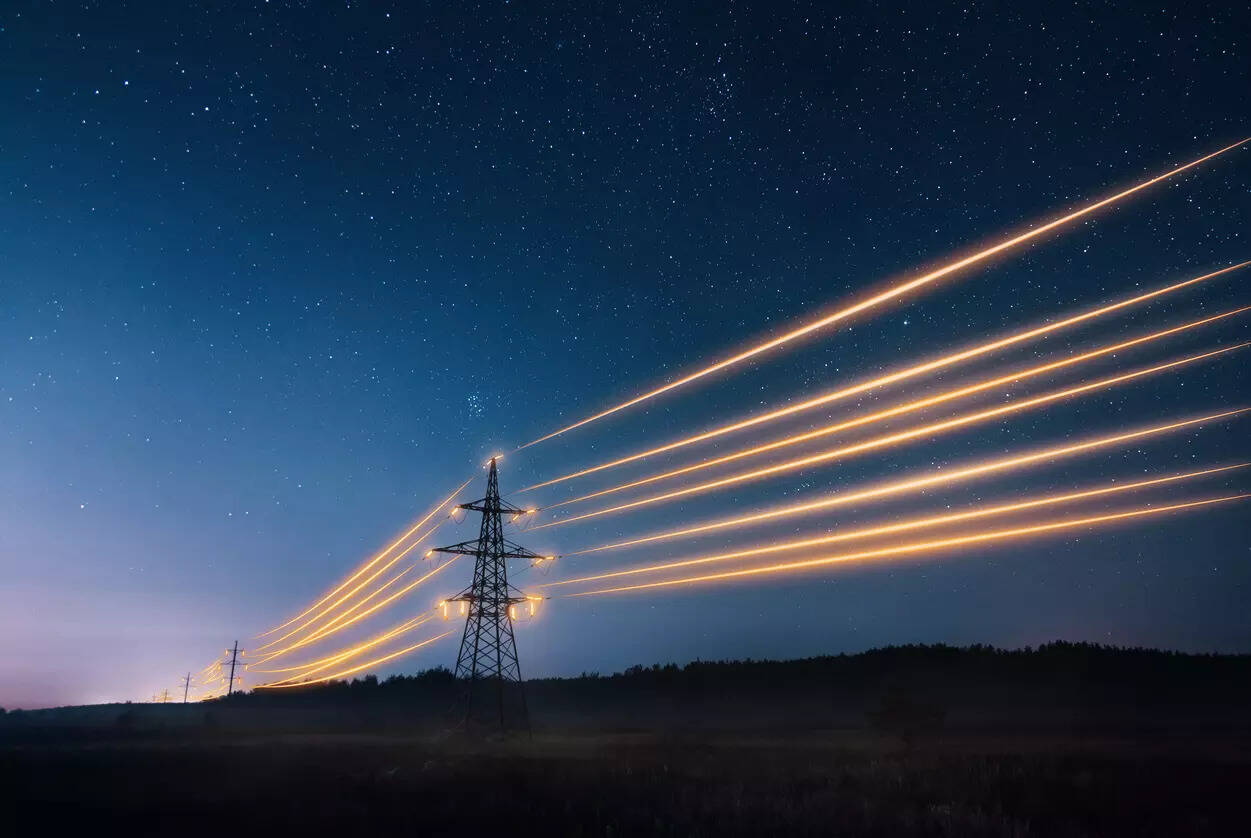
There is also a fiscal dimension. When oil prices rise sharply, governments often face pressure to reduce fuel taxes or increase subsidies to shield consumers. This reduces fiscal space and can divert resources away from infrastructure spending, which is one of the key engines of India’s growth strategy.
In my view, repeated external shocks of this nature can act as speed breakers in India’s journey towards becoming a 5 trillion and eventually a $10-trillion economy.
India has faced oil shocks before and has shown resilience. But the world today is far more interconnected. Supply chains stretch across continents, financial markets react within seconds, and commodity prices transmit shocks globally.
Which means the ripple effects of conflict travel faster than ever before.
And in such a world, I believe even a distant war rarely remains distant for long.
Please share your feedback, suggestions if any. You can reach me on amol.dethe@timesinternet.in.
As usual, I am adding here the top 5 stories of the week, trust you will find them meaningful.
1.US-Iran War: India Inc must prepare and hedge for risks, not panic, say experts
2.GST collection grows 8.1% to over Rs 1.83 lakh cr in Feb
3. Charitable trusts challenge I-T dept’s irrevocability clause
4.India allows eligible manufacturers to defer customs duty payments from April 1; aims to boost liquidity and exports
5. India-UK trade deal faces challenges amid West Asia conflict
Happy Reading
Amol Dethe,
Editor,
ETCFO
(Editor’s note is a column written by Amol Dethe, Editor, ETCFO. Click here to read more of his articles exploring several buzzing topics)

Source link
#War #Speed #Breaker #Indias #Growth