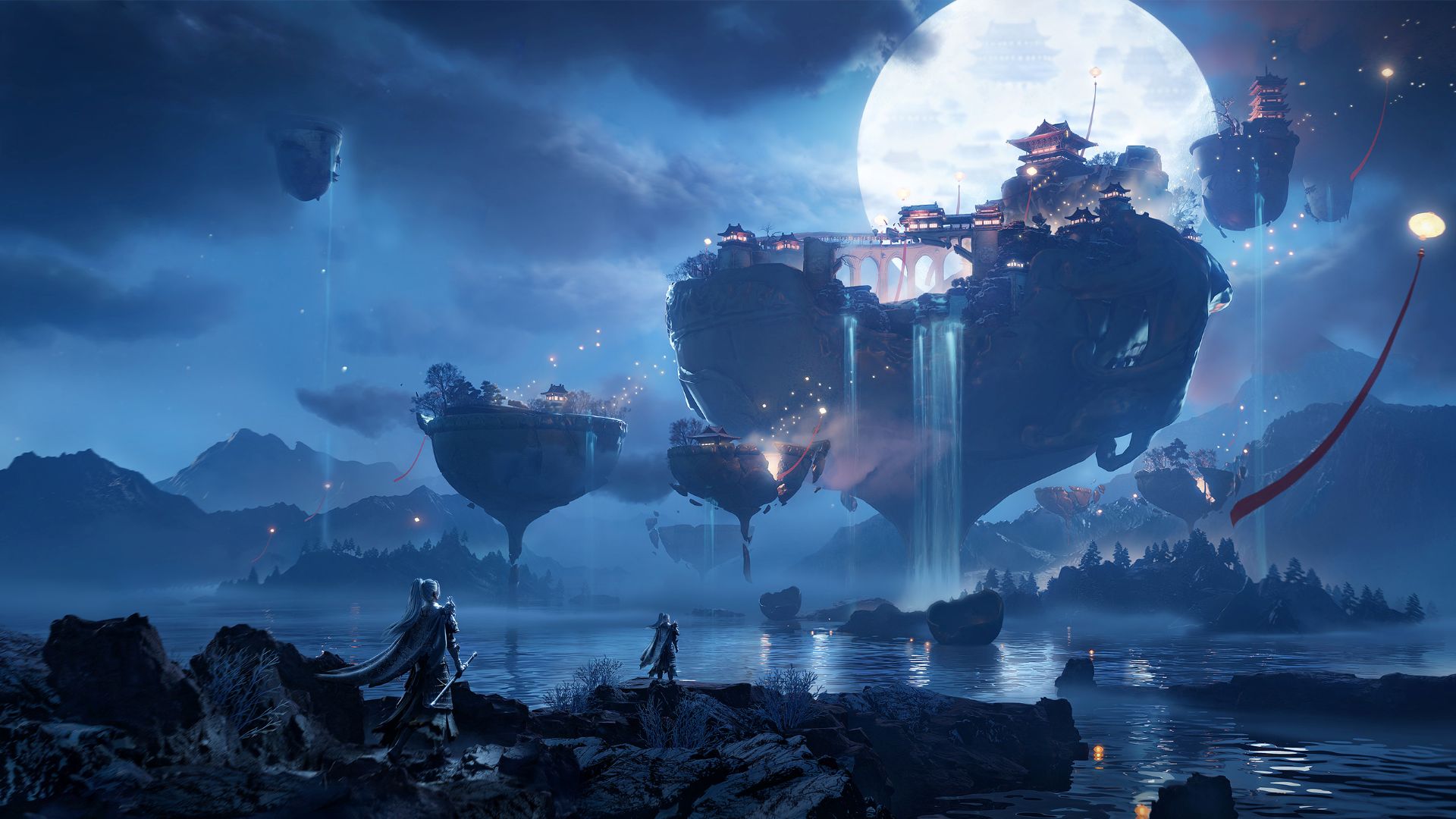
At GDC, Where Winds Meet took the spotlight as its developers shared how the wuxia open-world has grown since launch. Lead Designer Chris Lyu and Head of Publishing Eric Zheng broke down player reception, upcoming expansions, and how feedback is shaping the game’s future across PC and mobile.
Following its global rollout, Where Winds Meet has quietly grown into a cross-platform success story. According to Zheng, the team saw strong engagement across PC and mobile, with top-chart placements in over 60 countries. More importantly, the response challenged early assumptions about the genre’s reach.

“The reception surprised us,” Zheng said. “It validated that if you make a good game, it can connect with players globally.”
A Genre That Traveled Further Than Expected
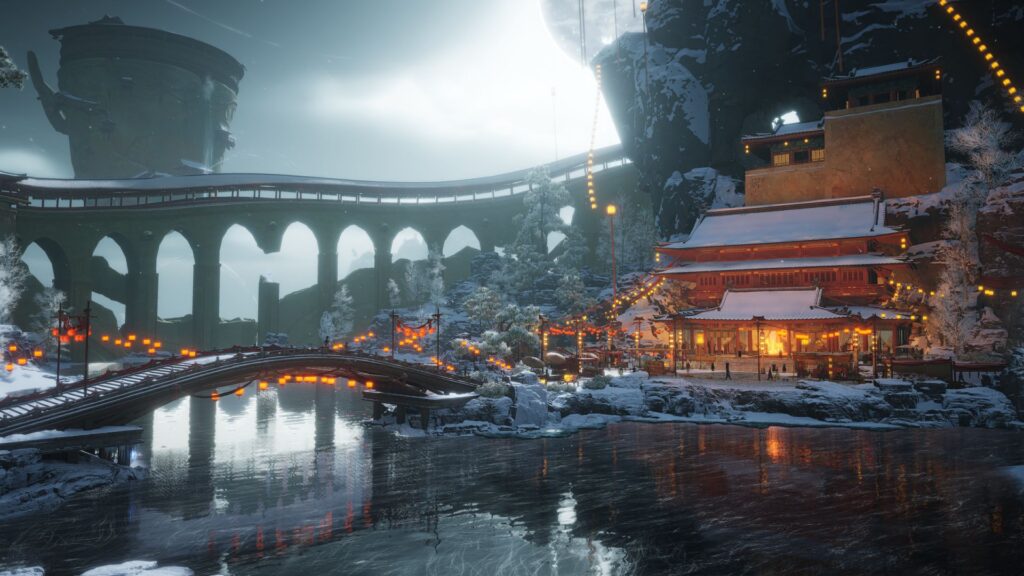
One of the more interesting takeaways is how Where Winds Meet crossed cultural boundaries. The team expected some friction with international audiences due to its setting and themes, but that didn’t play out.
Instead, players connected with the game’s stories in ways the team didn’t fully anticipate. Zheng pointed to a side character, an ordinary man rather than a traditional hero, whose story resonated strongly with players, even leading to emotional reactions.
That response helped reinforce the team’s approach to storytelling. Rather than scaling things back for broader appeal, they’re leaning further into culturally grounded narratives while trusting that emotional themes will carry across regions.
Expanding the World With New Perspectives
The latest Hexi expansion is part of a larger, multi-part roadmap. Lyu explained that the goal isn’t just to add more content, but to shift how players experience the world.
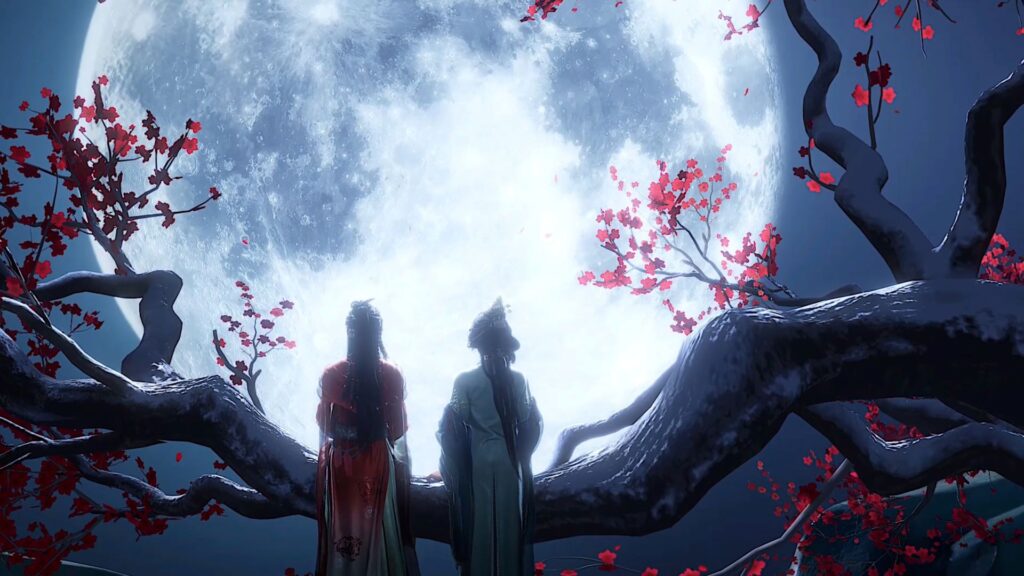
New regions, including deserts and snow-covered mountains, are designed to contrast with earlier areas while pushing a more dreamlike tone. The team is also experimenting with structure, letting players experience the world from the perspective of ordinary NPCs rather than focusing solely on the main character.
That shift ties directly into the narrative direction. The expansion leans into a more abstract, mood-driven style, moving away from straightforward exposition. Players piece together meaning through atmosphere, interactions, and smaller character stories.
At the same time, these experiences still feed back into the protagonist’s arc, revealing more about his past and personal growth.
A Faster Content Pipeline
Looking ahead, the team is committing to a steady update cadence. Zheng outlined a plan for regular content drops roughly every three months, supported by a faster internal production pipeline.
The goal is simple: avoid repetition. The team wants each update to feel distinct, both in theme and in how it plays.
“We’re getting tired of doing the same designs over and over,” Zheng said. “It’s the same for players.”
That philosophy is shaping everything from new gameplay systems to how stories are delivered.
No Pay-to-Win, More Ways to Play
On the systems side, Zheng was clear about one point: Where Winds Meet will not adopt pay-to-win mechanics, and paid content will remain cosmetic.
Beyond that, the team is expanding across both single-player and multiplayer experiences. PvP is a growing focus, with new modes and ways to engage with other players in development.
At the same time, technical improvements remain part of the roadmap. The team is working to expand device compatibility and improve localization so the experience holds up across different regions and platforms.

Treating the Game Like a Work of Art
One of the more direct statements came from Zheng’s description of the team’s approach to development.
They don’t see Where Winds Meet strictly as a product. They treat it as a creative work, which means experimentation comes with the territory.
That also means accepting that not every update will land the same way for every player. Instead of chasing universal approval, the focus is on delivering new ideas and letting players decide what resonates.

Listening to the Community
Despite that creative stance, player feedback still plays a central role. The team tracks community reactions closely and uses that input to guide future updates.
That loop release, observe, adjust has already shaped how expansions are being built and how stories are being told.
Zheng closed the conversation with a simple message: the game is where it is because of its players, and the team plans to keep building with that in mind.
Source link
#Winds #Meet #Interview #Team #Expanding #Wuxia #Open #World #MonsterVine