
Mumbai: What began as a restricted practice for women dealing with cancer complications, has now become increasingly common, industry practice, driven by sharply declining fertility rates and decreasing ovarian reserves, linked to age and life style shifts.
Egg freezing, medically known as oocyte cryopreservation, has emerged as a transformative option with bipartisan support, offering a form of reproductive safety net with potential to delay the biological clock in line with individual life priorities.
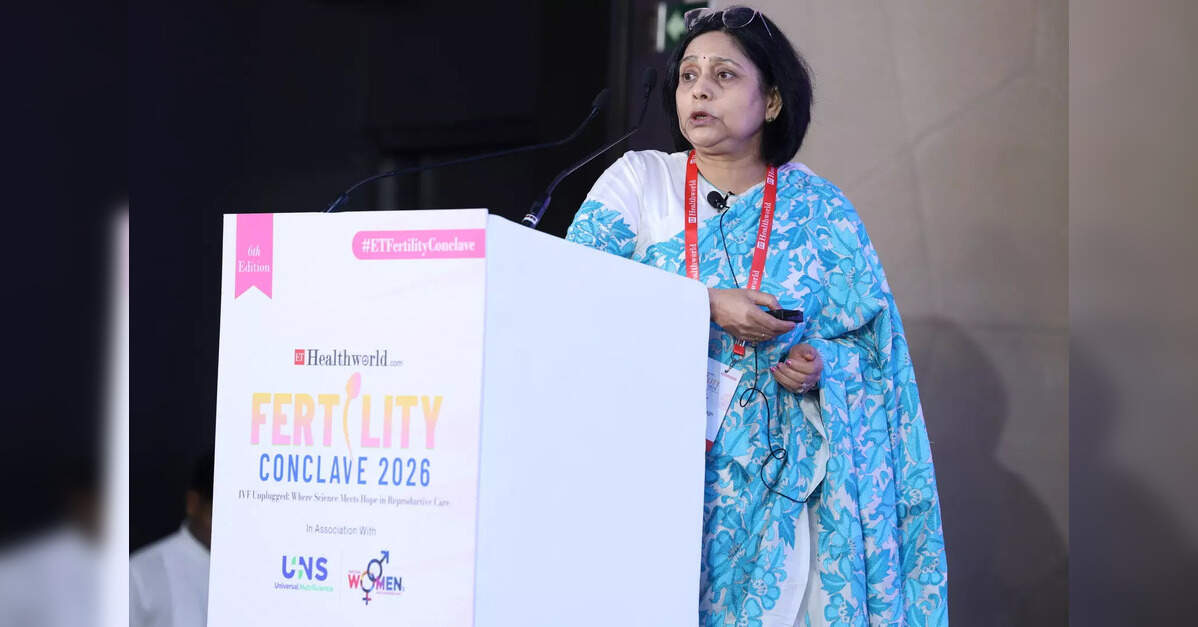
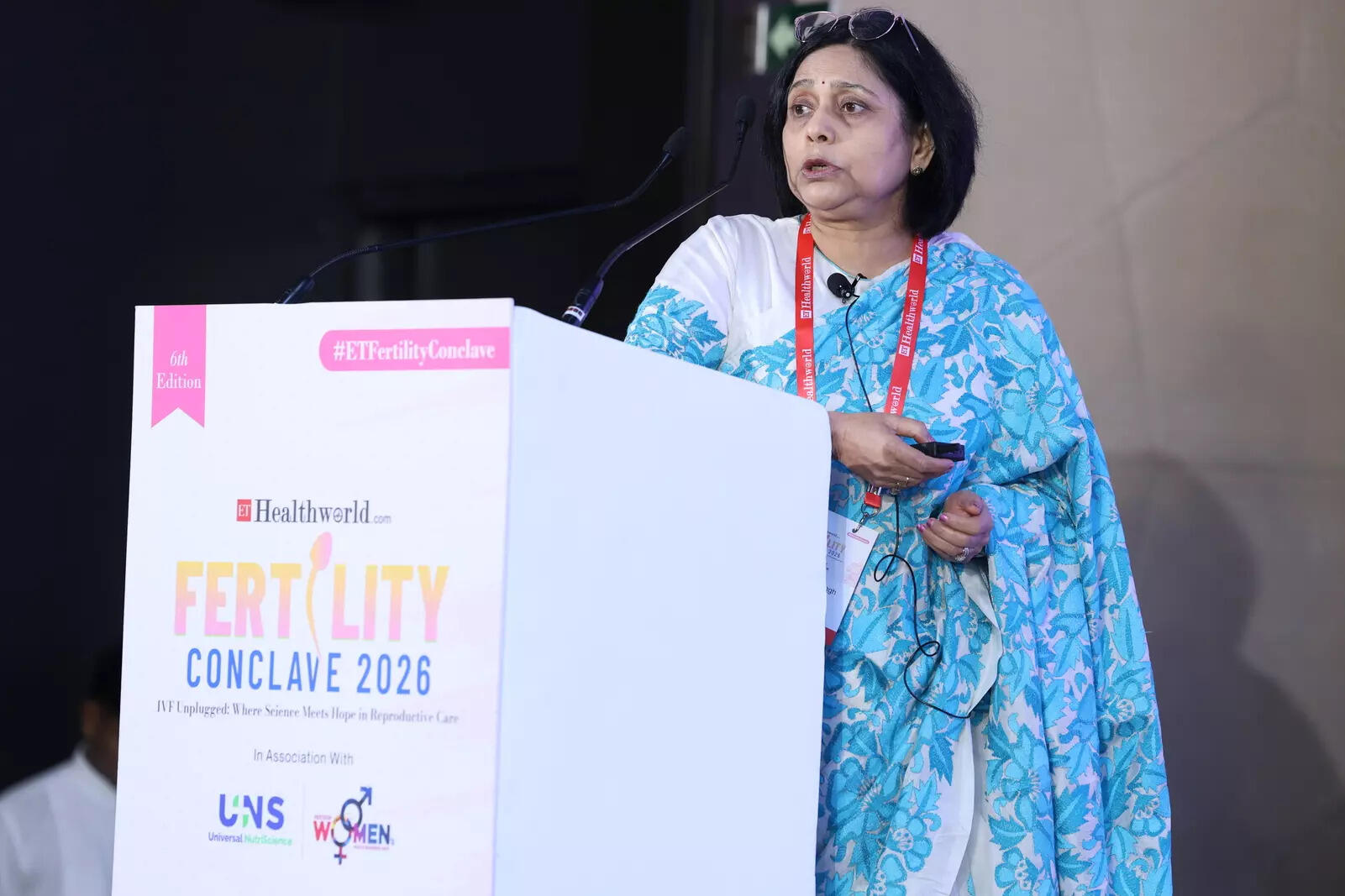
Speaking at the sixth edition of ETHealthworld Fertility Conclave, Dr. Neeta Singh, Professor and Unit Chief, Division of Reproductive Medicine & Surgery, Department of Obstetrics & Gynaecology, AIIMS Delhi, noted that the decline in fertility rates across the globe, including India, has emerged as a silent epidemic. She highlighted that India, which reported a total fertility rate (TFR) of 2.1 in the National Family Health Survey, could see this rate plummet to 1.2 in the next 25 years if current trends continue.
In India, most women seek consultations around the age of 35, by which time options are often limited. Delaying motherhood, along with the natural decline in ovarian reserve and oocyte quality, has led to an increase in voluntary childlessness.
However, a proactive approach like elective egg freezing can help women counteract the physiological, age-related decline in fertility while providing the flexibility to pursue their career and personal goals.
Dr. Singh highlighted that while oocyte cryopreservation has existed since last decade, recent advancements in cryopreservation techniques have led to “remarkable improvements in egg survival, fertilization and pregnancy rates.”
Citing data from the Society for Assisted Reproductive Technology (SART), US, she noted that egg freezing cycles are growing globally at a rate of 30 per cent year-on-year.
Human fertility is significantly affected by age, as advanced maternal and paternal age increases the risk of chromosomal abnormalities and miscarriage.
Given their shorter reproductive window compared to men, planned egg preservation helps women maintain reproductive autonomy, better organize personal choices such as education and career, and may even help address declining fertility rates on a broader scale, she said.
However, Dr. Singh cautioned clinicians that before recommending egg freezing, practitioners need to provide comprehensive and realistic consultations. She emphasized that the practice is not a guarantee of pregnancy, and must asses its utility, as only around 11 per cent of patients actually use their frozen eggs.
According to the expert, preserving eggs before the age of 32 is likely to yield the best results, as Indian women are prone to premature ovarian aging.
AI precision
A number of studies are exploring the optimal number of oocytes, based on age and ovarian reserve markers, required to achieve a good chance of pregnancy when these eggs are eventually used.
To address the various dilemmas faced by clinicians when advising on oocyte cryopreservation, Dr. Singh shared that many AI-based predictive tools have emerged which can guide patients in understanding when to preserve their eggs and how many cycles may be needed.
Additionally, consultations should be personalized, taking into account the patient’s medical history as well as their financial capacity, she added.
On the future of fertility care, Dr. Singh outlined that the field is moving toward individualized reproductive forecasting, driven by personalized ovarian stimulation, embryo competence assessment, and advances in ovarian tissue preservation.
With minimal risk and in line with other IVF procedures, egg freezing provides a future reproductive option. However, labeling it as “fertility insurance” is misleading; it is better viewed as a reproductive safety net, which also comes with its own limitations and considerations.
Dr Singh highlighted that, “the biggest challenges faced by patients while preserving their eggs include cycle failures due to oocyte immaturity, poor survival rates at the time of thawing, and the absence of blastocysts for transfer.”
Concluding her address, Dr. Singh reiterated that the advent of egg freezing has transformed reproductive care and holds significant potential to improve fertility outcomes. However, ensuring its adoption is guided by realistic counseling is crucial, as it better prepares patients for the results and promotes a gradual, responsible uptake of the procedure.

Source link
#Future #egg #freezing #moving #analysis #Personalized #procedures #AIIMS #Professor