



New Delhi: Escalating geopolitical tensions around the Strait of Hormuz and the Middle East are beginning to ripple through India’s healthcare supply chain, with the medical devices industry flagging a sharp surge in raw material costs and warning of potential shortages if disruptions persist.
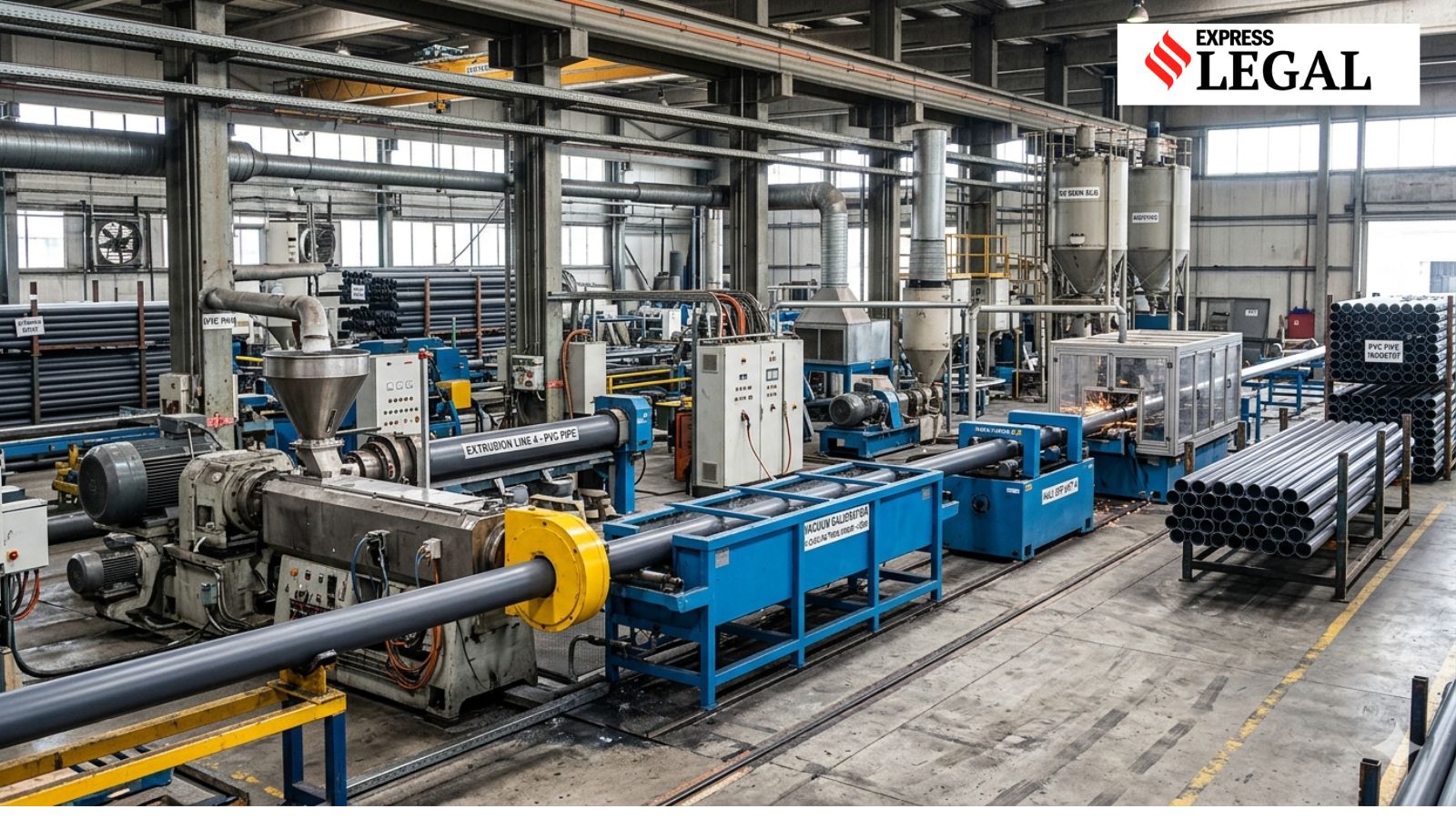
According to Association of Indian Medical Device Industry (AiMeD), input costs for key materials such as plastics have surged by nearly 50 per cent, while gas prices used for power generation and process heating have doubled, significantly eroding already thin margins on essential items like syringes and catheters.
“Short-term shipment delays of one to three weeks can be managed through inventory buffers, but prolonged disruptions could halt production and lead to hospital shortages,” said Rajiv Nath, Forum Coordinator, AiMeD.
The situation has been exacerbated by steep and frequent price hikes in polymers by domestic suppliers, particularly Reliance Industries Limited. Since early March, prices of polypropylene (PP), polyethylene (PE), and PVC have seen multiple upward revisions, with increases running into tens of thousands of rupees per metric tonne across categories.
Industry players have raised concerns over what they describe as “opportunistic price gouging,” warning that such volatility could inflate healthcare costs and disrupt supply chains for critical medical consumables.
Despite the pressure, some manufacturers are holding back price hikes. Nath noted that companies like HMD are choosing not to immediately pass on increased costs to patients, instead relying on lower-cost inventory to cushion the impact.
However, the sector warns that this strategy may not be sustainable if input costs continue to rise.
Adding to the financial strain is the inverted GST structure, where manufacturers pay 18 per cent tax on inputs but can charge only 5 per cent on finished products. This has led to a buildup of unutilised input tax credits, worsening working capital stress.
The industry has urged the government to expedite GST refunds within seven days, as previously assured, to provide immediate liquidity support.
AiMeD cautioned that without timely intervention, the combined impact of rising input costs, supply chain disruptions, and tax inefficiencies could jeopardise over five lakh jobs, affect affordability, and dent India’s ambitions under the Atmanirbhar Bharat initiative, including exports to key markets like the US and EU.

Source link
#Hormuz #Tensions #Push #Device #Costs #Shortage #Fears #Rise