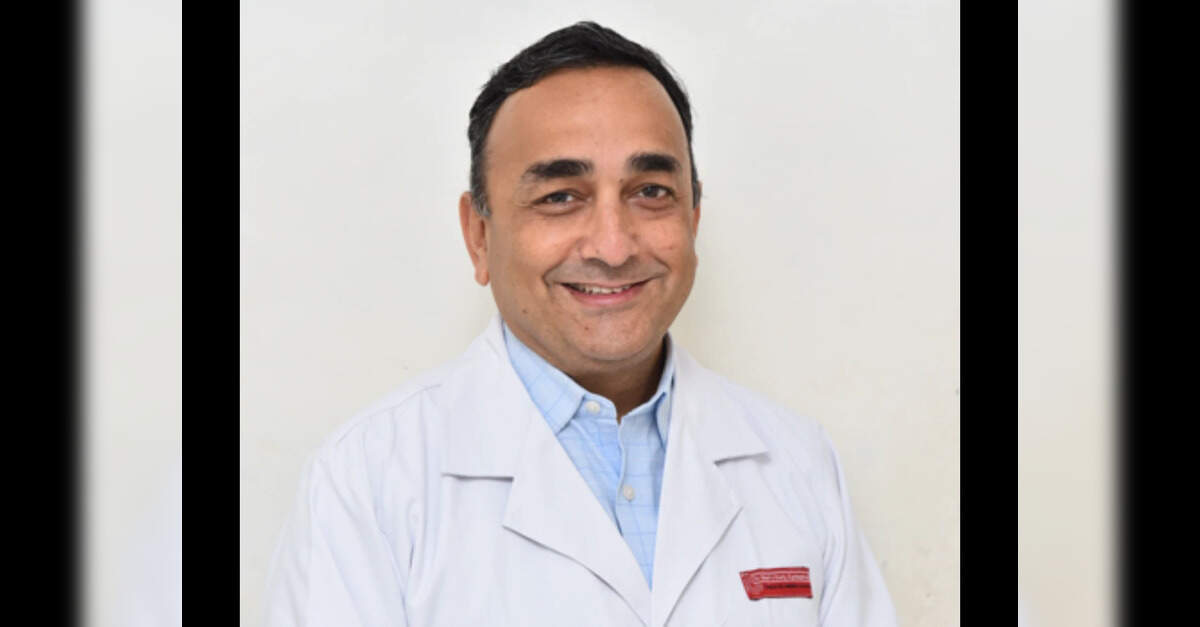

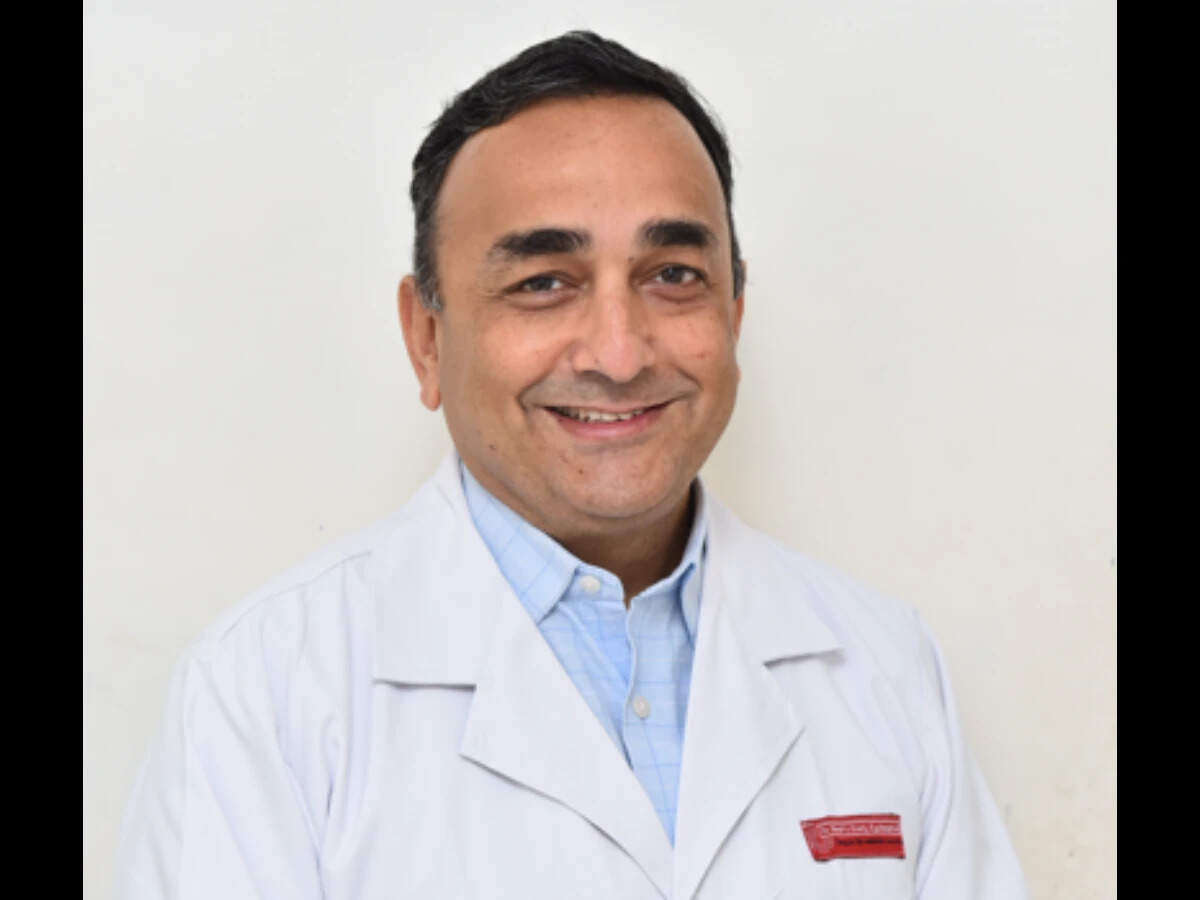
New Delhi: In India, significant burden of avoidable vision impairment persists largely driven by gaps in access, early diagnosis, and health system delivery. According to Umang Mathur, CEO of Dr. Shroff’s Charity Eye Hospital, the challenge is no longer just about policy intent, but about ensuring last-mile delivery, especially in underserved regions.
“India launched the National Programme for Control of Blindness as early as 1976, but disparities in access between urban and rural populations remain stark,” Mathur said. States such as Uttar Pradesh, Bihar, and Odisha continue to shoulder a disproportionately higher burden of avoidable blindness, reflecting systemic gaps in healthcare infrastructure and governance capacity.
A key concern, he noted, is the imbalance in the eye care workforce. “We have focused more on doctors, but strengthening the base requires investing in nurses and allied health professionals,” he said, advocating for a community-led model where trained paramedics supported by technology can improve outreach and referrals in rural India.
Early detection gap persists
Despite advancements in treatment, conditions such as glaucoma, diabetic retinopathy, and age-related macular degeneration continue to be diagnosed late often when irreversible damage has already occurred. The primary barrier, Mathur explained, is limited access to primary eye care services.
To address this, he explained that India has increasingly adopted the vision centre model decentralised units located in semi-urban and rural areas. These centres are often run by locally trained women vision technicians and are equipped with digital tools, including teleconsultation and AI-enabled diagnostics.
“This model reduces the need for patients to travel long distances and enables early detection through technology-backed screening,” he said, adding that community-based and tech-enabled care will define the future of ophthalmology in India.
Emerging risks: Myopia and diabetes
India is also facing a new wave of preventable vision disorders, particularly among children and diabetics. Rising screen exposure and reduced outdoor activity are accelerating the onset of myopia in children, while increasing diabetes prevalence is driving a surge in diabetic retinopathy cases.
“Diabetic retinopathy is especially concerning because it progresses silently. Annual eye examinations are critical for all diabetic patients, even if they have no visible symptoms,” Mathur cautioned.
Corneal blindness remains the second leading cause of blindness in India, often linked to infections and trauma in rural settings. While awareness about eye donation has improved, the availability of transplantable corneas continues to fall short.
Mathur highlighted structural bottlenecks, including limited eye banking capacity and regulatory complexities. Strengthening high-performing eye banks as regional hubs and simplifying transplant regulations could significantly improve access to corneal transplants, he suggested.
Moving beyond hospital-centric care
India’s shift from hospital-centric to community-based eye care began over a decade ago, with institutions like L V Prasad Eye Institute pioneering scalable models of decentralised care. Today, the country hosts one of the world’s largest networks of primary vision centres, though the demand far exceeds supply.
“The next phase must focus on sustainability, quality, and integration with primary healthcare,” Mathur said. This includes expanding the network of trained vision technicians and optometrists, while strengthening referral linkages between primary centres and tertiary hospitals through tele-ophthalmology.
The hospital also runs nine surgical centres and aims to expand further, targeting 1.5 million patients and over 100,000 surgeries each year.
A global model in the making
India’s eye care ecosystem has emerged as a global example of how scale, affordability, and quality can coexist. Nearly 10 million eye surgeries are performed annually, contributing to a one-third reduction in blindness prevalence over the past two decades.
Institutions such as Aravind Eye Care System and L V Prasad Eye Institute have demonstrated the success of cross-subsidy models, where paying patients help fund free or subsidised care for the underserved.
“India has shown that world-class eye care can be delivered at scale and at low cost,” Mathur said. “The challenge now is to ensure that no one is left behind, especially those in the most remote and vulnerable communities.”

Source link
#Indias #Blindness #Burden #Persists #Policy #Gains #SCEH #CEO