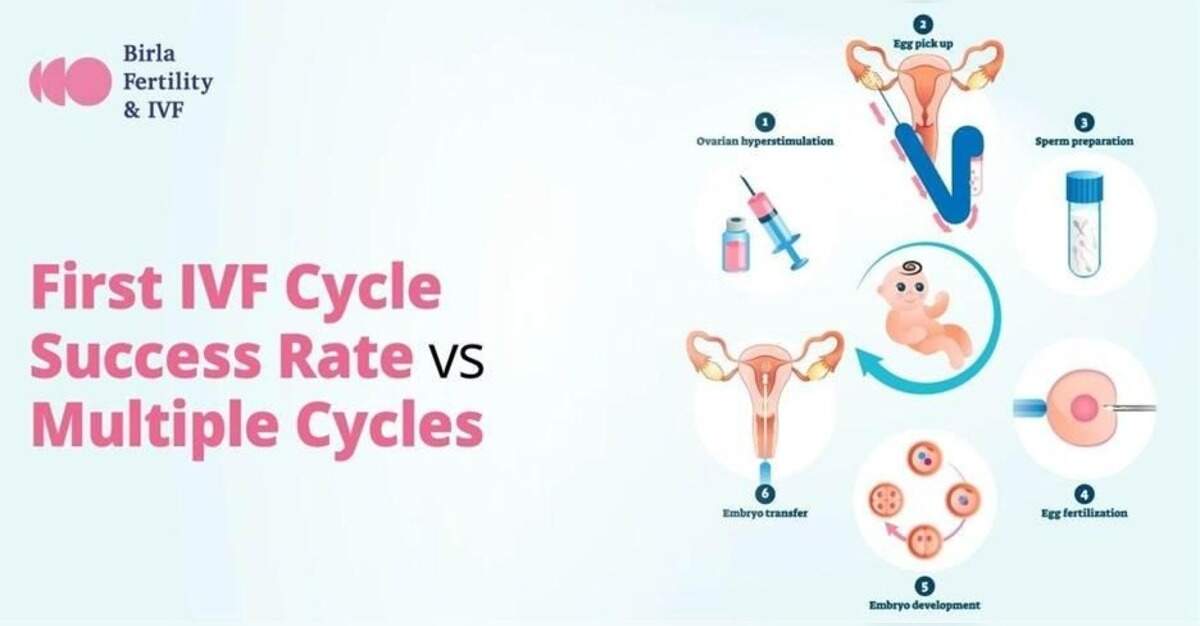



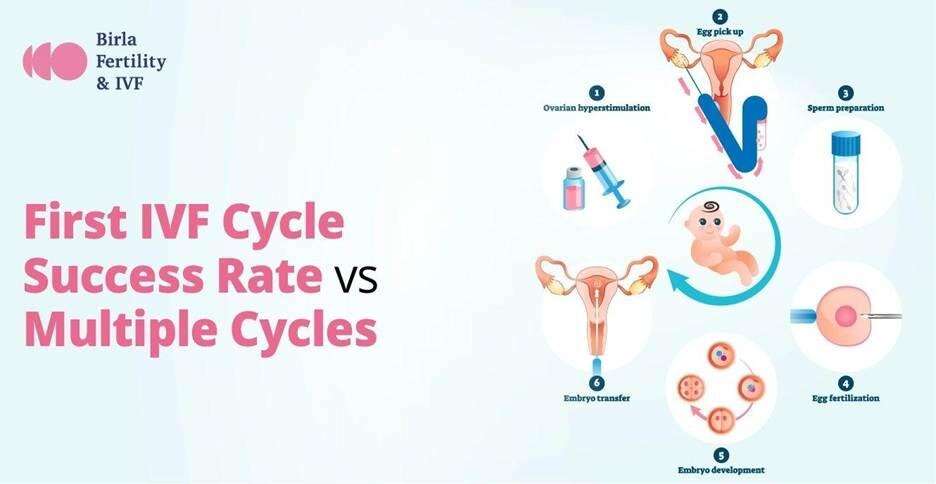
India’s fertility care sector is witnessing a significant shift in how in vitro fertilisation outcomes are measured, reported, and optimised. Traditionally, success in IVF has been evaluated on a per cycle basis, with first cycle pregnancy rates often used as the primary benchmark. However, fertility providers are increasingly moving towards cumulative live birth rates as a more accurate indicator of treatment effectiveness.
This transition is being driven by a combination of clinical insights, evolving patient expectations, and the growing need for operational efficiency in a largely self pay market. With demand for assisted reproductive technology rising steadily and access still limited relative to need, clinics are under pressure to improve both outcomes and scalability.
Against this backdrop, understanding the variation between first cycle success rates and outcomes across multiple IVF cycles is becoming central to clinical strategy and business planning.
First Cycle Success as a Baseline Performance Metric
First cycle IVF success rates in India typically range between 30 percent and 50 percent, depending on factors such as patient age, ovarian reserve, infertility diagnosis, and treatment protocols. While these numbers remain an important benchmark, industry experts note that they offer only a partial view of overall treatment success.
For fertility clinics, first cycle outcomes serve as an early indicator of protocol effectiveness, embryology lab performance, and patient selection strategies. High variability across centres often reflects differences in infrastructure, clinician expertise, and case mix complexity.
At the same time, reliance on first cycle success as a standalone metric can be limiting. Many patients, particularly those with complex infertility profiles, require more than one cycle to achieve a successful pregnancy. As a result, clinics are increasingly reframing first cycle outcomes as part of a broader treatment continuum rather than a definitive endpoint.
Table 1: IVF Success Rates Across Treatment Cycles
The steady increase in cumulative success rates highlights the importance of long term treatment planning and reinforces the need for clinics to align patient counselling with realistic timelines.
From Cycle Failure to Actionable Clinical Intelligence
Unsuccessful IVF cycles are no longer viewed solely as treatment failures. Instead, they are increasingly recognised as critical data points that can inform subsequent interventions.
Clinics are adopting structured cycle audit frameworks to analyse key variables such as ovarian response, fertilisation rates, embryo quality, and implantation outcomes. This approach allows clinicians to identify gaps in treatment protocols and implement targeted adjustments in subsequent cycles.
For instance, suboptimal ovarian response may prompt modifications in stimulation protocols, while poor embryo development could indicate the need for enhanced lab conditions or alternative fertilisation techniques. Similarly, implantation failure may lead to further evaluation of endometrial receptivity and timing of embryo transfer.
By converting cycle level data into actionable insights, fertility providers are able to reduce variability in outcomes and improve overall success rates across multiple attempts.
Growing Importance of Cumulative Success Rates
Cumulative IVF success rates are emerging as a more meaningful measure of treatment effectiveness, particularly in the context of multi cycle care. These rates reflect the total probability of achieving a live birth over a defined number of cycles, offering a more comprehensive perspective than per cycle metrics.
For providers, this shift has several implications. First, it encourages a long term approach to treatment planning, where protocols are refined progressively based on patient response. Second, it supports more transparent and realistic patient counselling, helping manage expectations around timelines and outcomes.
From a business standpoint, cumulative success rates are closely linked to cost per live birth, a key metric in a price sensitive market like India. Clinics that are able to improve cumulative outcomes while optimising resource utilisation are better positioned to achieve both clinical and financial sustainability.
Lab Infrastructure and Technology as Key Differentiators
The role of embryology labs in determining IVF success rates has become increasingly prominent. Variations in lab quality, equipment, and processes can significantly influence fertilisation, embryo development, and implantation outcomes.
As competition intensifies, fertility centres are investing in advanced technologies to enhance lab performance. These include time lapse imaging systems that allow continuous monitoring of embryo development, as well as artificial intelligence tools that assist in embryo selection.
In addition, improved culture media, cryopreservation techniques, and freeze all strategies are contributing to higher implantation rates and better cycle outcomes. However, technology alone is not sufficient. The expertise of embryologists and adherence to stringent quality control standards remain critical factors in achieving consistent results.
Table 2: Key Drivers of IVF Success Across Cycles
Aligning these factors within a standardised clinical framework is essential for reducing outcome variability and improving scalability across centres.
Age Stratification and Its Impact on Clinical Outcomes
Age remains one of the most critical determinants of IVF success, influencing both per cycle and cumulative outcomes. Younger patients, particularly those under 35, tend to have higher success rates due to better egg quality and ovarian reserve.
As age increases, both the quantity and quality of eggs decline, leading to lower fertilisation and implantation rates. This trend necessitates more aggressive or alternative treatment strategies in older patient groups, including the use of donor eggs in certain cases.
For fertility providers, age stratification is essential not only for clinical decision making but also for outcome reporting. Differences in patient demographics can significantly impact reported success rates, making standardisation and transparency key considerations in benchmarking performance.
Operational and Business Implications for Fertility Providers
The shift towards cumulative success models is also influencing the business dynamics of fertility specialists in India. Given that IVF treatment is largely self funded, patient retention across multiple cycles becomes a critical factor in both clinical outcomes and revenue generation.
Clinics are increasingly adopting multi cycle treatment packages, structured counselling frameworks, and data driven engagement strategies to ensure continuity of care. Improving cumulative success rates can help reduce drop off rates between cycles, thereby enhancing both patient satisfaction and operational efficiency.
In addition, there is growing emphasis on outcome transparency, particularly as the fertility sector becomes more organised and attracts institutional investment. Standardised reporting of success rates, stratified by age and case complexity, is expected to play a key role in building trust and credibility.
The Road Ahead: Towards Outcome Based Fertility Care
As India’s fertility market continues to expand, the focus is shifting from volume driven growth to outcome based care models. Clinics are increasingly being evaluated on their ability to deliver consistent, high quality outcomes across the entire treatment journey rather than on individual cycle success rates.
Key trends shaping the future of IVF care include the integration of artificial intelligence, expansion into tier two and tier three cities, and the development of centralised lab networks to improve standardisation. Regulatory oversight is also expected to increase, particularly in areas related to data reporting and quality assurance.
In this evolving landscape, fertility providers that adopt a cumulative success approach, invest in advanced embryology infrastructure, and leverage clinical data for continuous improvement are likely to emerge as leaders.
Ultimately, the shift towards multi cycle outcome optimisation reflects a broader transformation in reproductive healthcare, one that prioritises long term success, transparency, and patient centricity within a structured, data driven framework.
Disclaimer – The above content is non-editorial, and TIL hereby disclaims any and all warranties, expressed or implied, relating to it, and does not guarantee, vouch for or necessarily endorse any of the content.

Source link
#IVF #Success #Rates #Treatment #Cycles #Clinical #Trends #Outcome #Optimisation #Fertility #Care