

Ahead of the single-phase assembly election in Assam, the BJP’s list of candidates reflects strong leadership, shifting loyalties and coalition dynamics. The party is contesting 89 of the state’s 126 assembly seats, positioning itself as the dominant force within the NDA alliance. Candidate for one more seat will be announced tomorrow.
The list combines experienced incumbents, influential regional leaders, and high-profile defectors from opposition parties.
Newcomers Pradyut Bordoloi and Bhupen Borah play an indirect but a significant role for the BJP. Bordoloi’s recent switch from the Congress strengthens the ruling party by bringing experience and weakening the Congress base, especially in central and upper Assam. Several former Congress leaders have been fielded in key constituencies to expand BJP’s voter base.
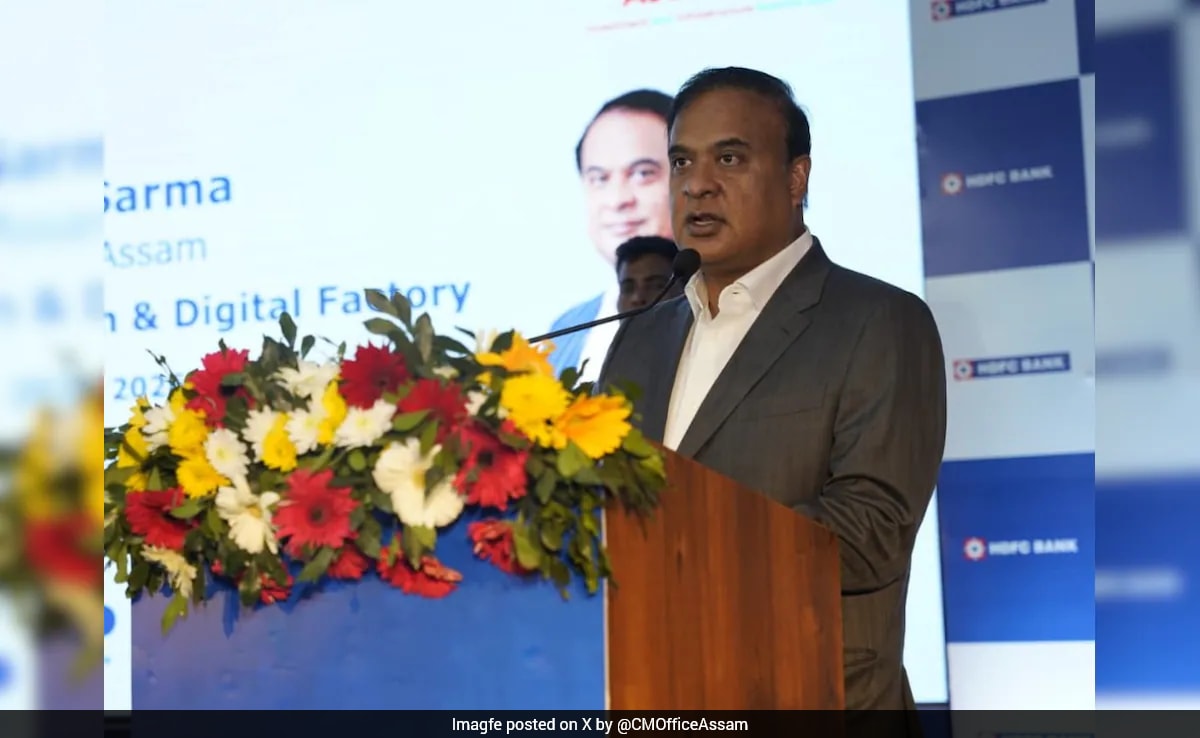
Chief Minister Himanta Biswa Sarma – the party’s key strategist in the northeast — remains the central figure in the election, contesting again from Jalukbari.
The approach reflects a calculated attempt to consolidate the anti-incumbency votes and weaken Opposition strongholds simultaneously.
The Opposition space — primarily led by the Congress — appears fragmented despite efforts to build a broader alliance.
Leaders like Gaurav Gogoi are attempting to revive the party’s position, but internal divisions, leadership uncertainties, and repeated defections to the BJP have weakened its overall electoral preparedness.
The presence of regional parties like Raijor Dal led by Akhil Gogoi and AJP led by Lurin Gogoi – along with some influential Independents — has made the electoral contest multi-cornered, reducing the chances of a consolidated anti-BJP vote.
The BJP is clearly at an advantage in the current political scenario owing to its strong organisational network, centralised campaign strategy and leadership-driven narrative focusing on development, governance, and identity issues such as illegal immigration.
The party’s increasing reliance on defectors, however, raises concerns about long-term ideological consistency and internal cohesion.
Within the BJP-led NDA, alliance partners face significant structural drawbacks.
The Asom Gana Parishad or AGP, once a dominant regional force, is now contesting a reduced number of seats and struggles with declining grassroots influence. Its leadership, including figures like Atul Bora, has not been able to energise new voters.
The AGP — often perceived as subordinate to the BJP that has led to an erosion of its regional identity – is contesting only 26 seats for the upcoming elections, of them 13 are Muslim candidates.
This has limited AGP’s effectiveness as a vote-transfer partner within the alliance.
Similarly, the Bodoland People’s Front or BPF faces challenges due to its geographically restricted influence, primarily within the Bodoland Territorial Region.
The party is contending for 11 seats. It is facing competition from emerging regional forces, which has reduced its dominance among Bodo voters.
Contesting a smaller share of seats, BPF’s bargaining power within the NDA has weakened considerably, making it a less decisive factor in the overall electoral equation.
Source link
#BJP #Candidate #List #Balanced #Assam #Allies #Catch