




Raipur:
With just days left for the March 31, 2026, deadline set by Union Home Minister Amit Shah to eliminate Left-Wing Extremism, the government appears poised to make a historic announcement that India’s longest-running internal security threat has finally been brought under control. But even as security forces tighten the noose, critical questions remain: has the Maoist problem truly been dismantled?
Over the past two years, the Centre has pushed an aggressive, mission-mode strategy to wipe out Maoists, once described by Amit Shah as the “biggest threat to India’s internal security.” As the clock ticks down, anti-Maoist operations have intensified across Chhattisgarh, especially in the Bastar division, where the last strongholds of the insurgency still exist.
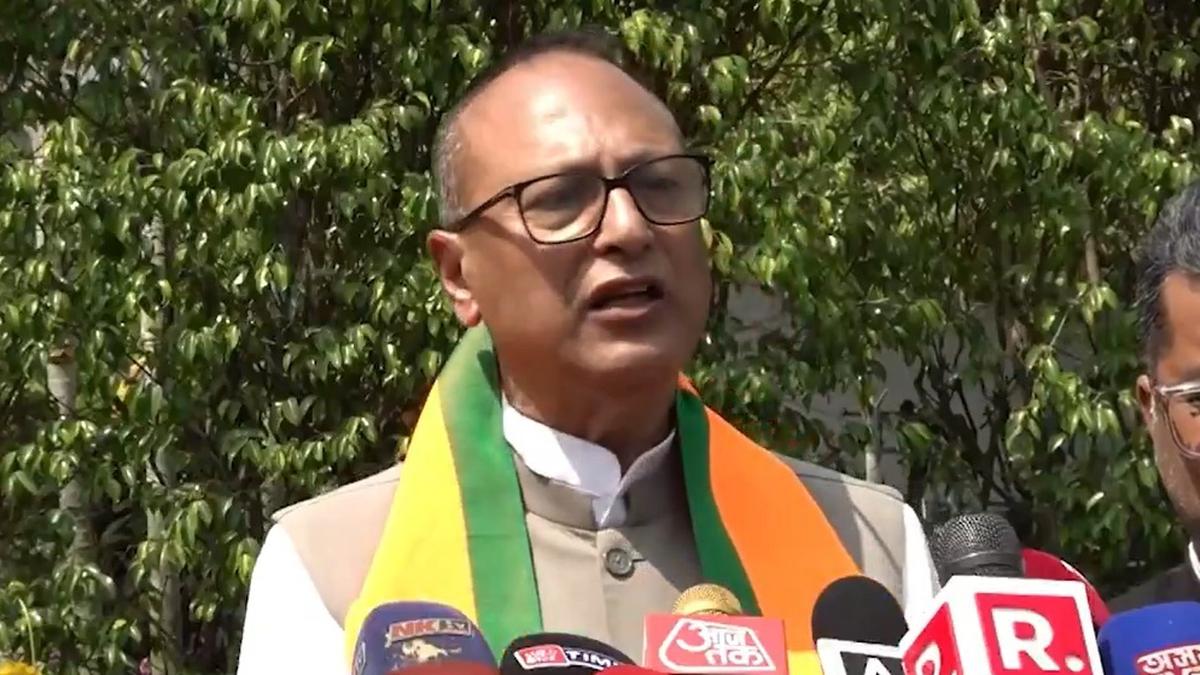
Chhattisgarh Deputy Chief Minister Vijay Sharma claims that the results have been unprecedented. “Earlier, there were 30 active Area Committees in the state. Today, only four remain. The rest have been eliminated. This problem will definitely be resolved by March 31, 2026,” he said, signalling confidence in what the government calls a near-final victory.
Yet, the ground reality remains complex. Security agencies confirm that the toughest battles are now concentrated in four remaining Maoist zones: the National Park Area Committee in Bijapur, where dreaded commander ‘Papa Rao’ is still active, the Pamed Area Committee along the Telangana border, the Jagarunda-Konta belt in Sukma and the Maad Area Committee in Narayanpur. These regions continue to witness armed resistance, with nearly 25 per cent of Maoist fighters still carrying weapons.
The numbers, however, reflect a change for the better. Between January 2024 and mid-March 2026, over 2,500 Maoists have surrendered, more than 660 have been neutralised, and over 1,800 have been arrested.
A key concern is whether central forces will scale down operations post-March 31. Responding to this, Deputy CM Sharma clarified, “April 1 is not a day for celebration. Even if the problem is resolved, security vigilance will continue. There will be no compromise in Bastar.”
Security experts caution that while the Maoist network has undeniably shrunk, its complete eradication is far more complex than meeting a calendar deadline. The remaining pockets are deeply entrenched, geographically challenging, and ideologically resilient. Historically, such insurgencies have shown the ability to regroup if vigilance drops.
As India stands on the brink of what could be declared the end of “Red Terror,” the moment is both historic and delicate. If the announcement does come on March 31, it will mark a significant milestone. But the real test will begin the day after, ensuring that the silence of guns is not temporary, and that the shadow of Maoism does not return to haunt the forests of Bastar once again.
Source link
#March #Eradication #Deadline #Nears #Battles #Maoism #Intensify




“This Is Not Giving Good Vibes”: Zendaya’s Latest Comments On “Euphoria” Have People Speculating That She’s “Checked Out” After Those Sam Levinson Feud Rumors