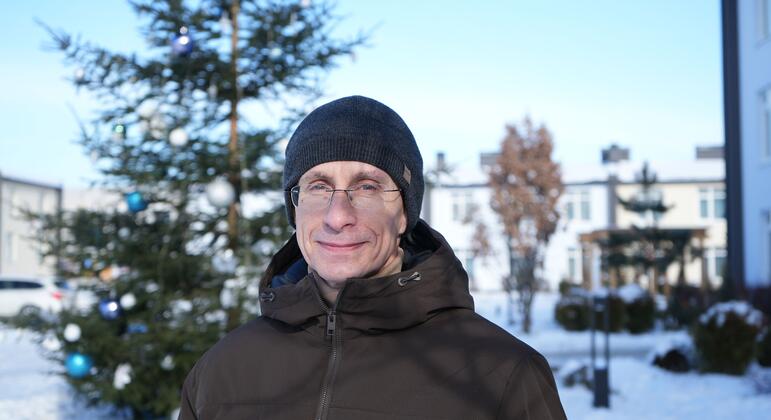
Four years after Russia’s full-scale invasion of Ukraine, many people are trying to overcome deep-rooted trauma and rebuild what has been lost.
For many the trauma predates the Russian invasion and is linked to a conflict that began in the country’s south and east, including the Donetsk region, in 2014.

Yurii Shapovalov, who was living in Donetsk at the time, and who was detained by Russian-installed authorities, spent nearly eight years in captivity. Now free, he is trying to restart his life.
“In a tiny cell, I tried to do physical exercises,” Yurii said. “But mentally, it was very difficult. The conditions were too much to bear.”
Before the conflict erupted in eastern Ukraine in 2014, Yurii worked as a neurophysiologist at the Donetsk Regional Diagnostics Centre.
In his spare time he ran the local Cactus Enthusiasts Society and cared for his elderly mother.
When pro-Russian forces seized control of Donetsk, Yurii and his mother stayed. They could not imagine leaving their home behind.
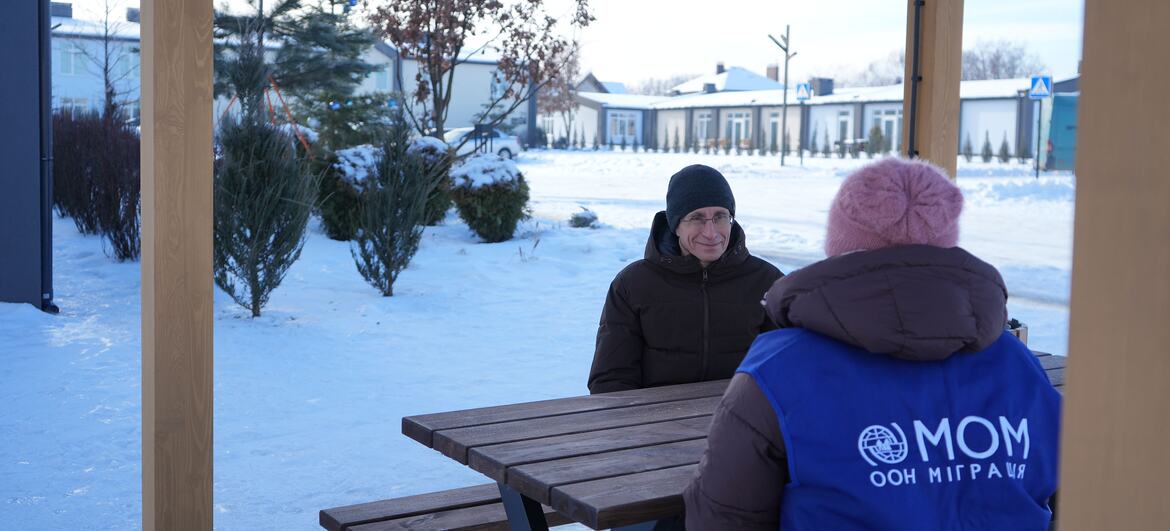
IOM provides tailored support to survivors of war-related violence.
Recovery after detention
He began documenting daily life in Donetsk, a city in southern Ukraine, through an anonymous social media account. It was a small act of protest, but it came at a cost. In 2018, he was arrested.
“I was beaten and forced to work,” he said. For months, his mother did not know where he was. Without support from home, he lacked basic necessities and recalled wearing winter shoes through the summer heat.
In 2020, he was sentenced to 13 years in a penal colony. “I told myself I had to preserve who I was – not to succumb, not to break, to hold on,” Yurii said.
There were losses he could not prepare for. “My mother didn’t get to see me come back,” he said. “She passed away.”
Yurii also lost the life he had built. His extensive collection of cacti – something he had cared for deeply – was left behind. Friends later moved it to the Donetsk Botanical Garden, hoping to preserve at least some of the plants. “By then, there was nothing left of my previous life.”
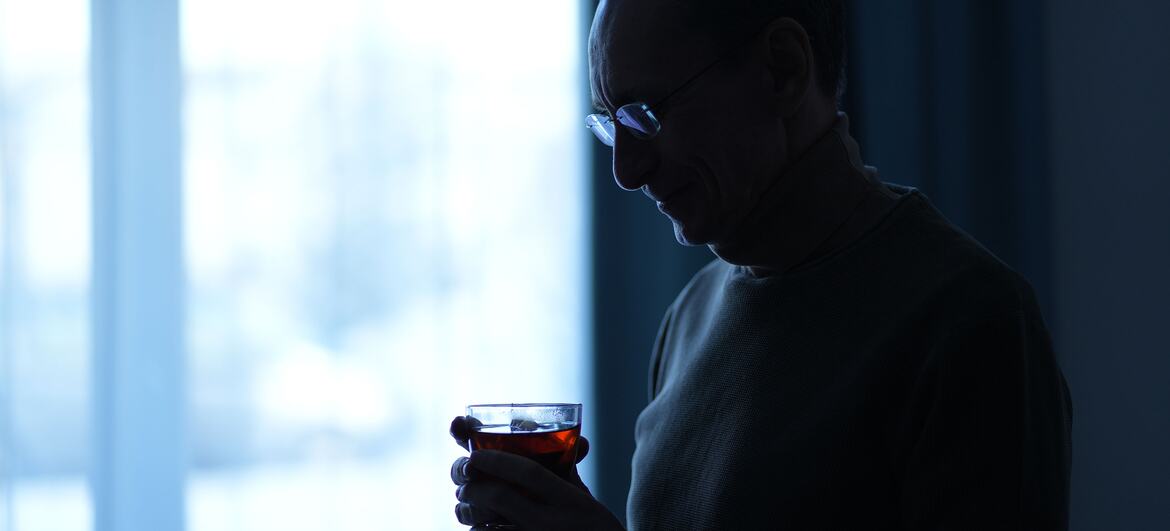
Yurii continues his recovery after years of detention, receiving support to address both physical and mental health needs.
Tailored aid
In the summer of 2025, Yurii was finally released through a prisoner exchange between Russia and Ukraine.
After receiving initial support at a public hospital, he was referred to the International Migration Agency’s (IOM) Protection Medical Rehabilitation Centre in Kyiv, a specialised facility providing care to survivors of human trafficking and of gender-based and conflict-related violence.
There, doctors identified his urgent health needs and facilitated further essential cardiological and neurological treatment.
Since 2024, IOM Ukraine has identified and supported more than 4,700 survivors of war-related violence, including civilian survivors of captivity like Yurii.
“Many need long-term treatment,” said Olha Shcherbatiuk, IOM National Rehabilitation Centre Officer.
Beyond medical care, IOM supports long-term recovery through survivor-led groups and national initiatives addressing war-related abuses.
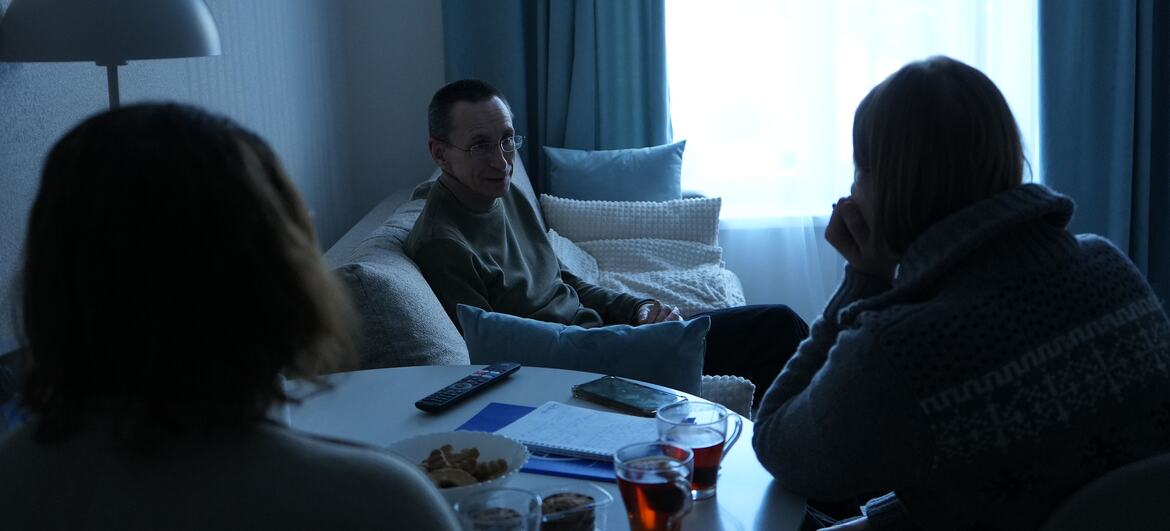
Following his release, Yurii is rebuilding his life step by step, including reconnecting with former colleagues.
Returning to work
“Maybe I did manage to preserve myself,” Yurii reflected. But the effects remain. After years in captivity, everyday tasks became unfamiliar. “Using a phone, an elevator, even the subway felt difficult,” he explained.
His former colleagues, who had left Donetsk years earlier, were among the first to support him after his release, including tracking down and verifying his training and employment records.
Only then will he be able to take refresher courses and return to work, hopefully as a child neurologist.
When asked what brings him joy now, Yurii paused.
“Having my own place,” he said. “Time to be alone, to think, to put things in order,” and to once again nurture cacti.
Source link
#years #captivity #Finding #freedom #healing #Ukraine