


International Women’s Day is not just about celebrating women’s achievements; it is also about protecting their health, strength, and future. One of the biggest silent threats to women in developing countries like India is cervical cancer. But now, we have a powerful tool to prevent it: the HPV vaccine.
Cervical cancer is largely caused by persistent infection with the Human Papillomavirus (HPV).
Almost all females get HPV from their male partner. In many cases, the body clears the infection on its own. But sometimes, certain high-risk types of HPV stay in the body and slowly cause changes in cervical cells. Over years, these changes can turn into cancer. Cervical cancer is the second most common cancer in India. But thanks to the HPV vaccine, we aren’t just “managing” this disease anymore, we are working actively to erase it. Universal vaccination to all the teenage females who are in their teens can eradicate this cervical cancer 30–40 years from now, just as polio.
What Is the HPV Vaccine?
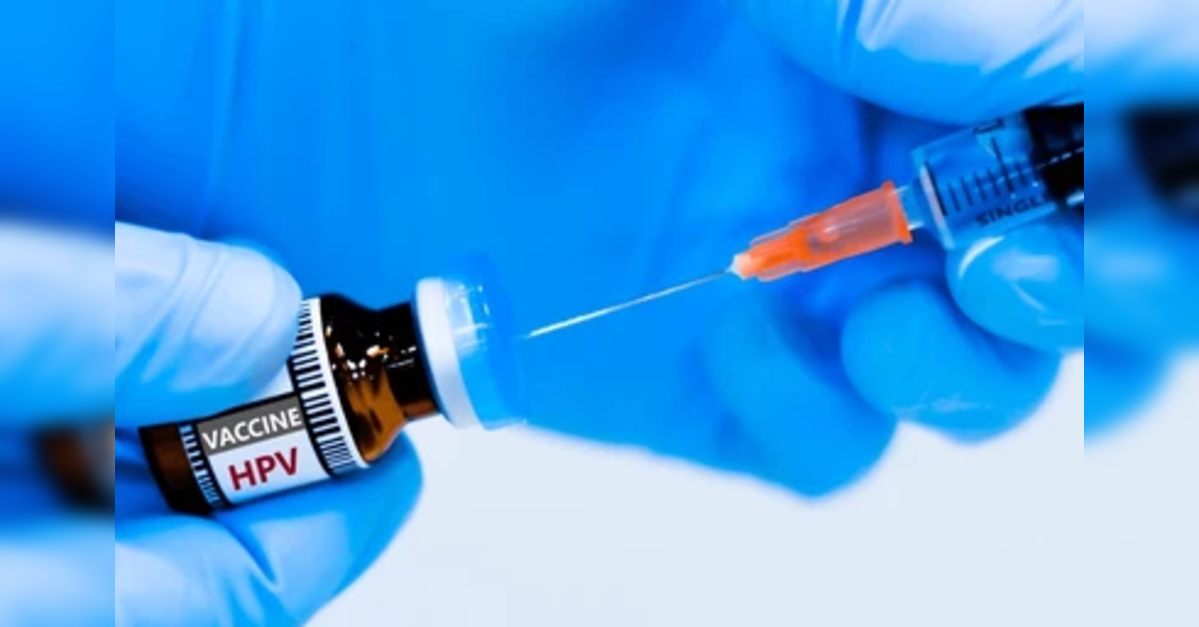
The HPV vaccine protects against the high-risk types of Human Papilloma Virus which cause most cases of cervical cancer. Some vaccines also protect against types that cause genital warts. HPV vaccine is a preventive vaccine i.e. it prevents the female to get infected by HPV virus. This chronic HPV infection in Cervix over many decades lead to Cervical Cancer. The vaccine is most effective when given before exposure to the virus, that is why it is recommended for girls between 9 to 14 years of age. However, young women and even adult women up to a certain age can also benefit from this vaccine.
Why Awareness Still Matters
Despite its benefits, HPV vaccination coverage is still not where it should be. Many people hesitate because of lack of information, myths, or fear. Some believe the vaccine is unsafe and it is unnecessary. But through various research and studies on HPV vaccine it has been considered safe and effective. Like any vaccine, it may cause mild side effects such as pain at the injection site or low-grade fever.
Another important point, after vaccination regular cervical cancer screening is vital. HPV testing & Pap smears remain essential because the vaccine does not cover every single cancer-causing type. That is the reason prevention works best when vaccination and screening go hand in hand. In a massive step forward, India have recently launched nationwide drives to provide the HPV vaccine for free to young girls. The goal behind this to reach the WHO’s “90-70-90” target by 2030.
These means:
- 90% of girls vaccinated by age 15.
- 70% of women screened regularly.
- 90% of women with cervical disease receiving treatment.
When we hit these numbers, cervical cancer won’t just be “rare” it will be a thing of the past.
A Gift of Protection
Women play the role of mother, sister, wife, daughter and each of these roles means ‘care’. The one who cares is most neglected. Strong women build strong societies. But healthy women build a healthier world. This Women’s Day, let’s spread awareness and make it a day of action. Ask your doctor about HPV vaccination. Encourage screening. Start conversations. One small step today can prevent a big problem tomorrow.
The article is written by Dr. Arvind Kumar, DM (Medical Oncology – AIIMS, New Delhi), Senior Medical Oncologist & Founder Director, Buddha Cancer Centre, Patna.
(DISCLAIMER: The views expressed are solely of the author and ETHealthworld.com does not necessarily subscribe to it. ETHealthworld.com shall not be responsible for any damage caused to any person/organisation directly or indirectly)

Source link
#HPV #Vaccination #Helping #Cervical #Cancer