3 min readVadodaraMay 1, 2026 05:31 PM IST



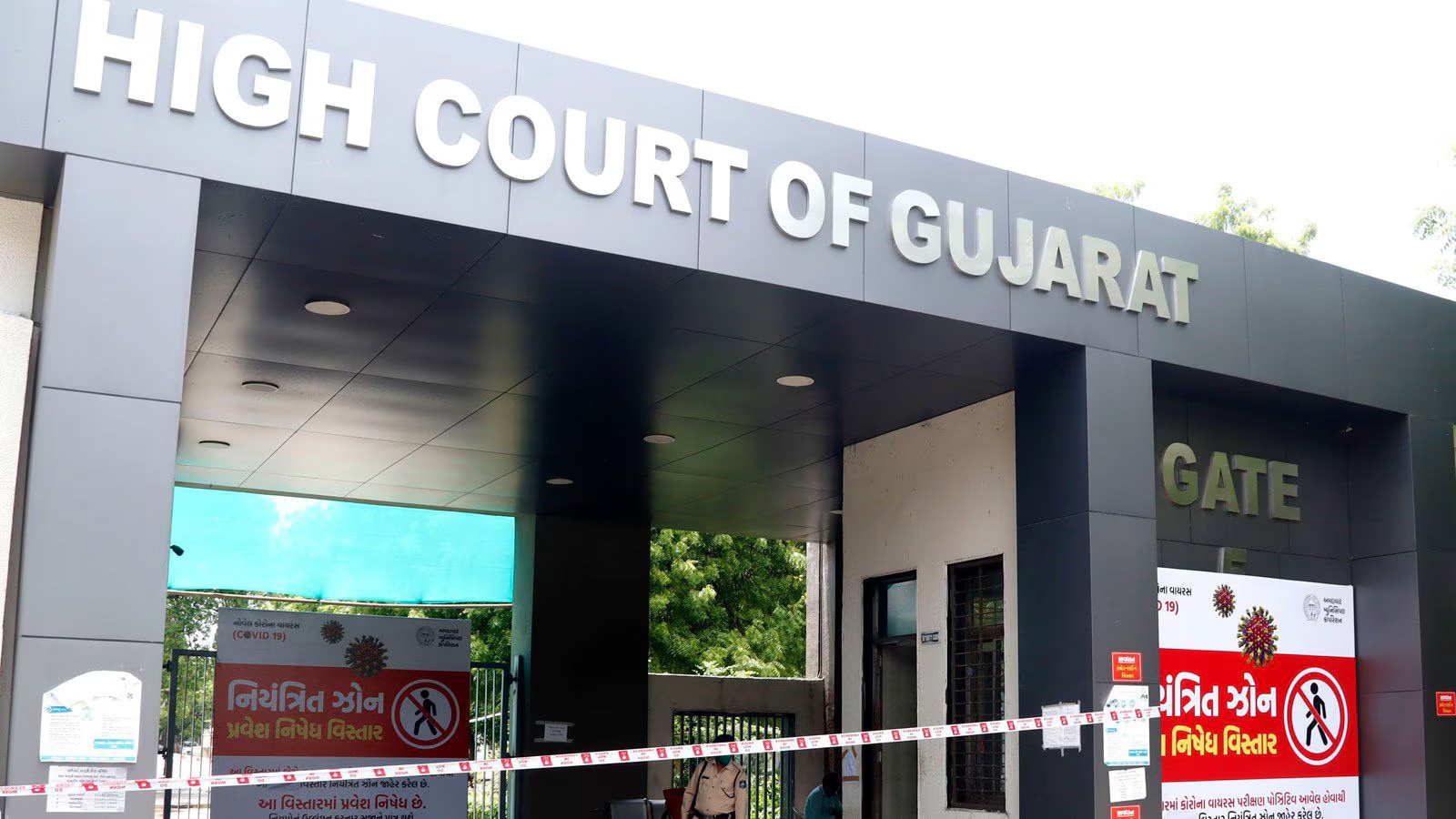
Holding that government institutions bear “greater responsibility to avoid exploitative employment practices,” the Gujarat High Court last month directed the state government to regularise the services of a medical officer who served for 29 years until his superannuation in 2015 in a “temporary” posting in Primary Health Centers (PHC) of the state.
Stating that a person “cannot be continued with a status like ad-hoc, temporary, or contractual” for years when the nature of the work is perennial, the court also reiterated the caution laid down by the Supreme Court in cases of “exploitative employment”. Justice M J Shelat made the observations while hearing a petition filed by one D A Parmar seeking directions for regularisation, as well as challenging a communication dated September 7, 2013, that directed termination of the services of the petitioner.

Parmar was appointed on February 1, 1986, and continued in the service as a medical officer till the age of superannuation on August 31, 2015. The court noted that although the appointment was made under a Government Resolution dated October 18, 1985, which explicitly stated that the services of the petitioner would be terminated if a Gujarat Public Service Commission (GPSC)-selected candidate became available, “such eventuality never happened during the entire service tenure of the petitioner,” who retired from service upon attaining the age of superannuation.
The court observed that the services rendered by the petitioner were “perennial in nature” and that the respondents could not dispute that the work of a medical officer in a primary health centre was continuous. Citing Supreme Court caution in precedents where “illegal” and “irregular” have been distinguished, the high court judgment states that precedents dealing with illegal appointments, “cannot serve as a shield to justify exploitative engagements persisting for years without the Employer undertaking legitimate recruitment…”
The judgment also cites another Supreme Court observation about the “exploitation” in government institutions, stating, “It is a disconcerting reality that temporary employees, particularly in government institutions, often face multifaceted forms of exploitation. While the foundational purpose of temporary contracts may have been to address short-term or seasonal needs, they have increasingly become a mechanism to evade long-term obligations owed to employees…”
Holding that the petitioner is “entitled to receive all the consequential benefits flowing from the order of regularisation,” the court directed the state to pass an appropriate order regularising “the service of the petitioner on the post of Medical Officer, Class-II, upon completion of 10 years of service from the date of his initial appointment,” and to grant the same within a period of three months from the order.
The high court directed that the petitioner “becomes a permanent employee of the State” and is “automatically entitled to receive pensionary benefits.”

© The Indian Express Pvt Ltd
Source link
#temporary #Years #Gujarat #High #Court #pulls #government #orders #regularisation #medical #officer