
Dear Readers,



India rarely signals urgency on macro risks this early. Finance Minister Nirmala Sitharaman’s announcement of a proposed economic stabilisation fund is not routine policy; it is a pre-emptive move that acknowledges a deeper concern over the ongoing West Asia crisis.

If the conflict stretches longer than anticipated, the risk is not a sudden shock but a slow bleed across India’s external account, currency, trade flows, and domestic demand.
It would be apt here to draw lessons from the Covid-19 pandemic. When uncertainty becomes prolonged, incremental responses do not work. What is required is a coordinated, front-loaded strategy that protects growth while containing vulnerabilities.

A widening external gap
The first fault line in the current crisis is the current account. India’s current account deficit has historically remained manageable at around 1-2% of GDP, but in periods of external stress it widens quickly. With crude oil still accounting for nearly 85% of India’s import dependence, every $10 per barrel increase in oil prices can add roughly 0.3-0.4 percentage points to the CAD.If crude sustains at elevated levels, the CAD could move towards 2.5-3% of GDP. That is not a crisis number, but it is uncomfortable, especially when global capital flows turn volatile.
A stabilisation fund, therefore, cannot remain a passive buffer. It must be used actively to smoothen energy costs, support critical imports, and ensure that export sectors facing demand compression are cushioned through targeted incentives.
Rupee under pressure
The second pressure point is the currency. The Reserve Bank of India has so far managed volatility through intervention, but a prolonged conflict-driven risk-off environment could put sustained pressure on the rupee.
A sharp depreciation feeds directly into imported inflation, particularly fuel and fertilisers, and indirectly into food prices. The playbook here cannot be limited to intervention. It must include liquidity management, calibrated rate responses, and, if needed, temporary capital flow measures to prevent disorderly movements. The objective should not be to defend a level, but to prevent volatility from destabilising expectations.
A double squeeze
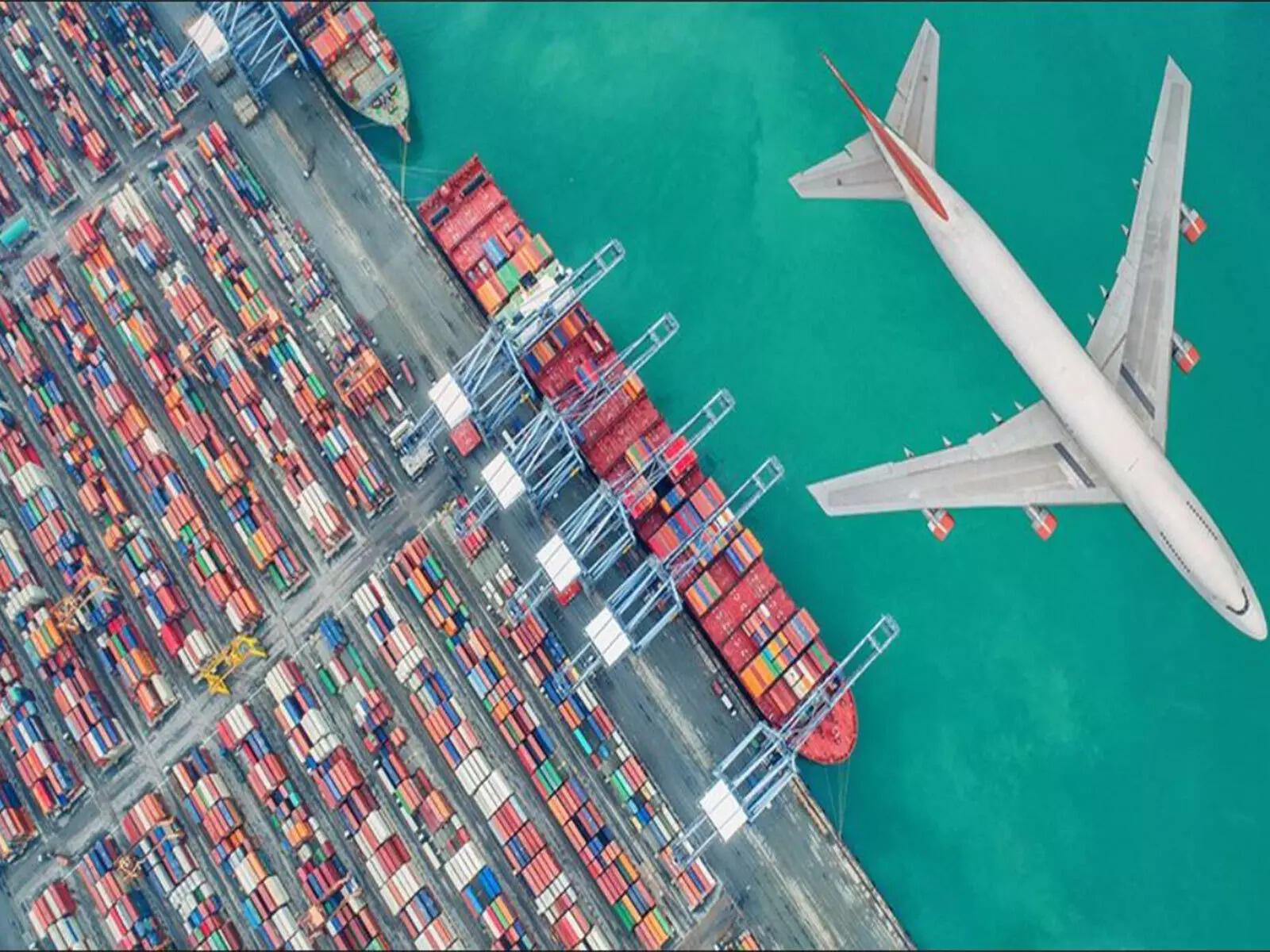
On trade, the risks are two-sided. Export demand could weaken if global growth slows, particularly in key markets like the US and Europe. At the same time, import bills will rise due to energy and commodity prices.
India’s merchandise exports have hovered around $450 billion mark in recent years, but sustaining that momentum in a stressed global environment will be difficult. Sectors such as textiles, engineering goods, and chemicals are especially vulnerable to demand compression.
This is where Covid-era thinking becomes relevant. Then, the government moved quickly with production-linked incentives, credit guarantees, and sector-specific relief. A similar targeted approach may be required, focusing on export-intensive sectors and MSMEs that lack balance sheet resilience.

The broader economy
Domestically, the economy is in a recovery phase but remains uneven. Consumption has improved, but it is still sensitive to inflation. Rural demand, in particular, remains fragile.
If fuel and food prices rise simultaneously, the impact on household budgets will be immediate. Inflation acts as a tax on consumption, and prolonged inflation can derail growth more effectively than a one-time shock.
The stabilisation fund should therefore be used not just for macro management but also for targeted relief. Temporary tax rationalisation on fuel, expanded food subsidies if required, and support for vulnerable sections can help cushion the impact.
The government’s fiscal math will come under pressure, but the trade-off between fiscal prudence and growth support must be recalibrated in favour of the latter if the situation deteriorates.

Corporate India in focus
For India Inc, particularly CFOs, the environment demands a shift in mindset. The last few years have been about growth, deleveraging, and capital efficiency. A prolonged geopolitical disruption calls for a pivot towards resilience.
Balance sheet discipline becomes critical. Companies must reassess leverage, build liquidity buffers, and stress-test cash flows under adverse scenarios. Currency risk management will move to the forefront, especially for firms with unhedged exposures.
Input cost volatility will require sharper procurement strategies and, where possible, backward integration. Pricing power will be tested, and CFOs will need to balance margin protection with demand sensitivity.
Perhaps most importantly, capital allocation decisions will need to be more conservative. Expansion plans that depend on stable global conditions may need to be deferred, while investments in supply chain diversification and domestic capabilities should be prioritised.
Rising strain
The risk India faces is not of an immediate crisis, but of cumulative strain. CAD widens gradually, the rupee depreciates in phases, inflation remains elevated, and growth loses momentum.
This is precisely the kind of environment where delayed action proves costly.
The stabilisation fund is a start, but it must be backed by a broader policy framework that mirrors the urgency seen during the Covid-19 pandemic. Then, the crisis was visible and immediate. This time, it may be slower and less dramatic, but no less damaging.
India cannot afford to wait for the numbers to deteriorate before acting.
Because in macroeconomics, the real damage rarely comes from the shock itself. It comes from the delay in responding to it.
Please share your feedback, suggestions if any. You can reach me on amol.dethe@timesinternet.in
As usual, I am adding here the top 5 stories of the week, trust you will find them meaningful.
1.CFOs stress-test businesses as oil spikes, rupee hits record low amid US-Iran war
2.NFRA flags audit deficiencies at PwC, KPMG, EY, BDO affiliate firms; cites independence breaches and weak audit scrutiny
3.Tax disputes need accountability, swift resolution, say experts
4.I-T depart litigation success rate falls to 12% at HCs; panel flags mechanical appeals, seeks expert litigation committee
5.NFRA flags independence gaps, revenue audit failures, and disclosure lapses at MSKA; firm defends compliance, cites ‘professional judgement’
Happy Reading
Amol Dethe,
Editor,
ETCFO
(Editor’s note is a column written by Amol Dethe, Editor, ETCFO. Click here to read more of his articles exploring several buzzing topics)

Source link
#War #clouds #Indias #growth