A US weapons systems officer, after his F-15E fighter jet was shot down over Iran, survived for more than a day in hostile terrain before a high-risk military operation rescued him. The incident reminds of a similar survival story during the Bosnian War.


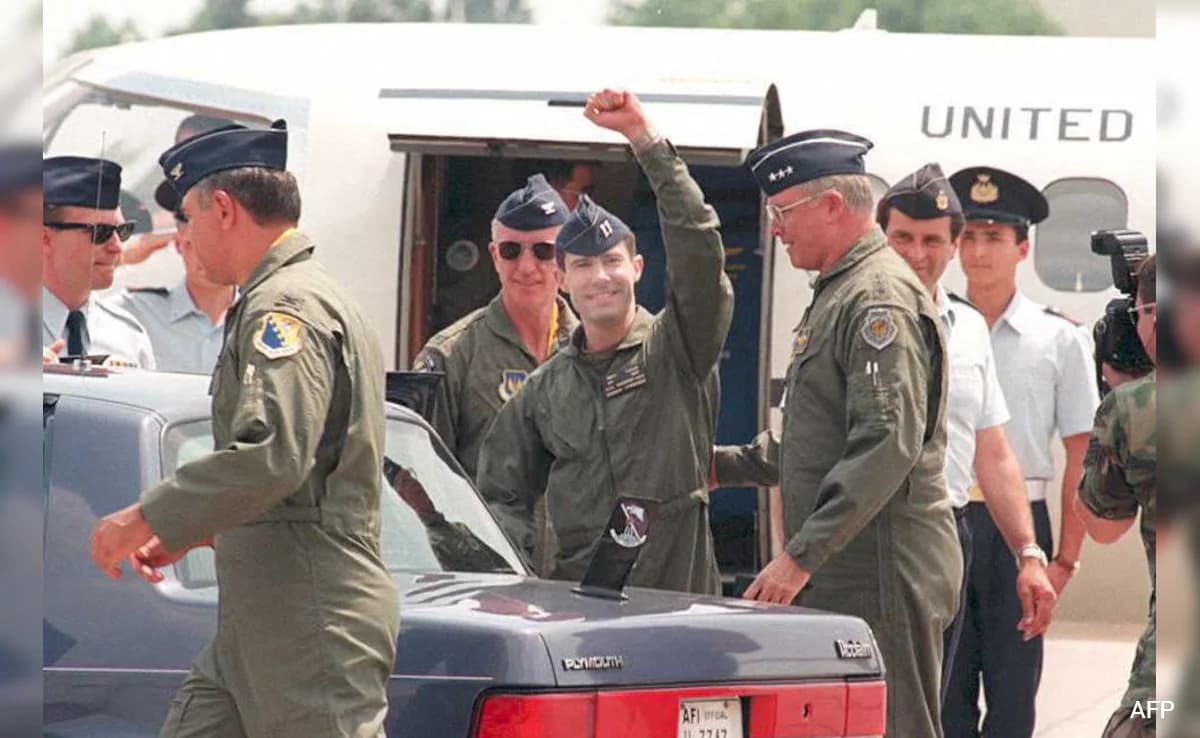
In 1995, US pilot Scott O’Grady survived for six days after his F-16 was shot down over Bosnia. Like the recent Iran case, he evaded enemy forces, relied on survival training, and avoided detection before being rescued in a daring operation by US Marines.
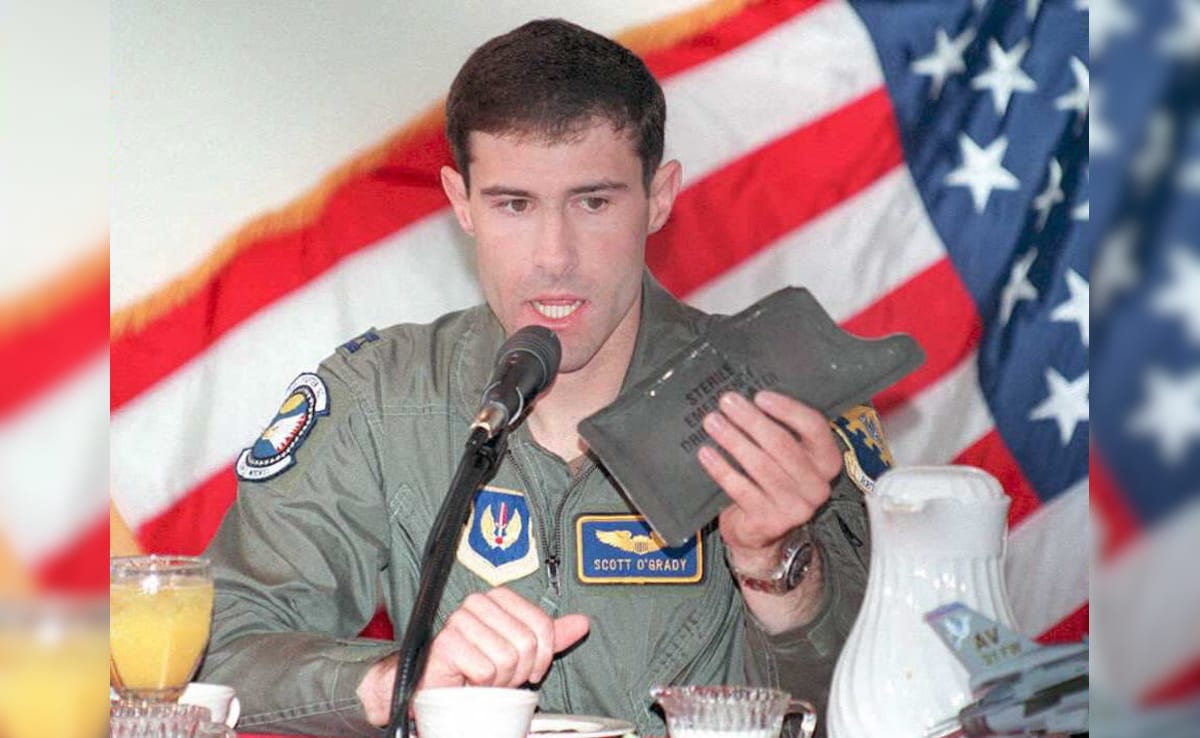
During the Bosnian War, the Air Force captain was on a military mission where he was patrolling the skies over Bosnia to make sure no unauthorised aircraft were flying. Amid this, his F-16 fighter jet was suddenly hit by a missile.
He ejected safely but landed in enemy-controlled territory. For nearly a week, he stayed hidden, moving carefully and avoiding Serbian forces who were searching for him. He moved only at night so no one could see him, and during the day he stayed completely still.
During the first two days, a helicopter came so close to him that he could actually see the faces of the pilots inside it, reported CNN. And on the ground, enemy soldiers were firing at anything that moved.
He ate ants, plants and drank water from his emergency pack until it ran out on the fourth day. He then survived by drinking rainwater from leaves and eating whatever little food he could find in the wild.
O’Grady had a survival radio, but using it at the wrong time could have revealed his location because enemy forces could track signals. So, for several days, he did not use it at all. On the sixth day, he turned on his radio and sent a signal. NATO aircraft flying overhead picked it up. The signal was weak, but it worked.
A special rescue team was quickly prepared and sent from a US Navy ship, the USS Kearsarge, which was stationed in the Adriatic Sea. The plan was to send large military helicopters into enemy territory, while fighter jets and attack helicopters protected them from above.
On June 8, the helicopters flew at a very low altitude to avoid detection by radar. They somehow managed to rescue him from a mountaintop but the helicopter came under heavy fire.
At one point, a bullet struck a Marine’s canteen just a few feet away from O’Grady. Despite it, he was rescued safely and brought back home.
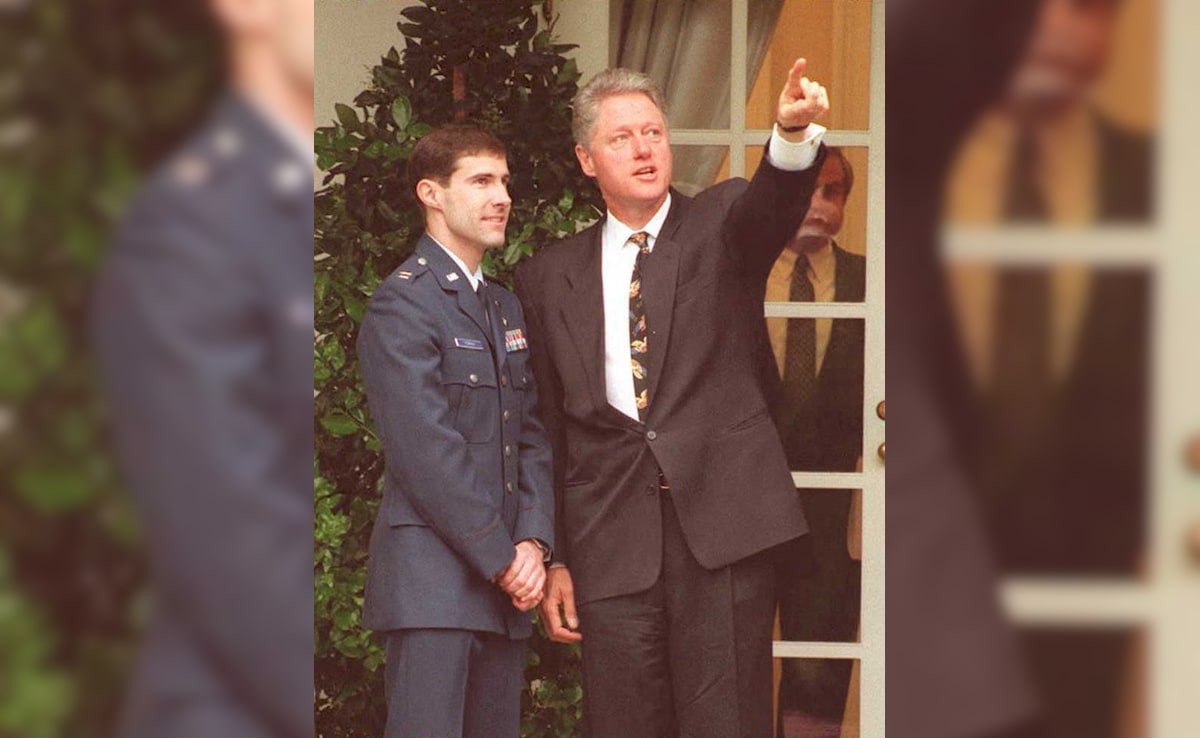
O’Grady received a warm welcome in the US. He also visited the White House, where the then-US President Bill Clinton called him an “American hero.”
Source link
#Years #Iran #Pilot #Survived #Enemy #Lines #Days