

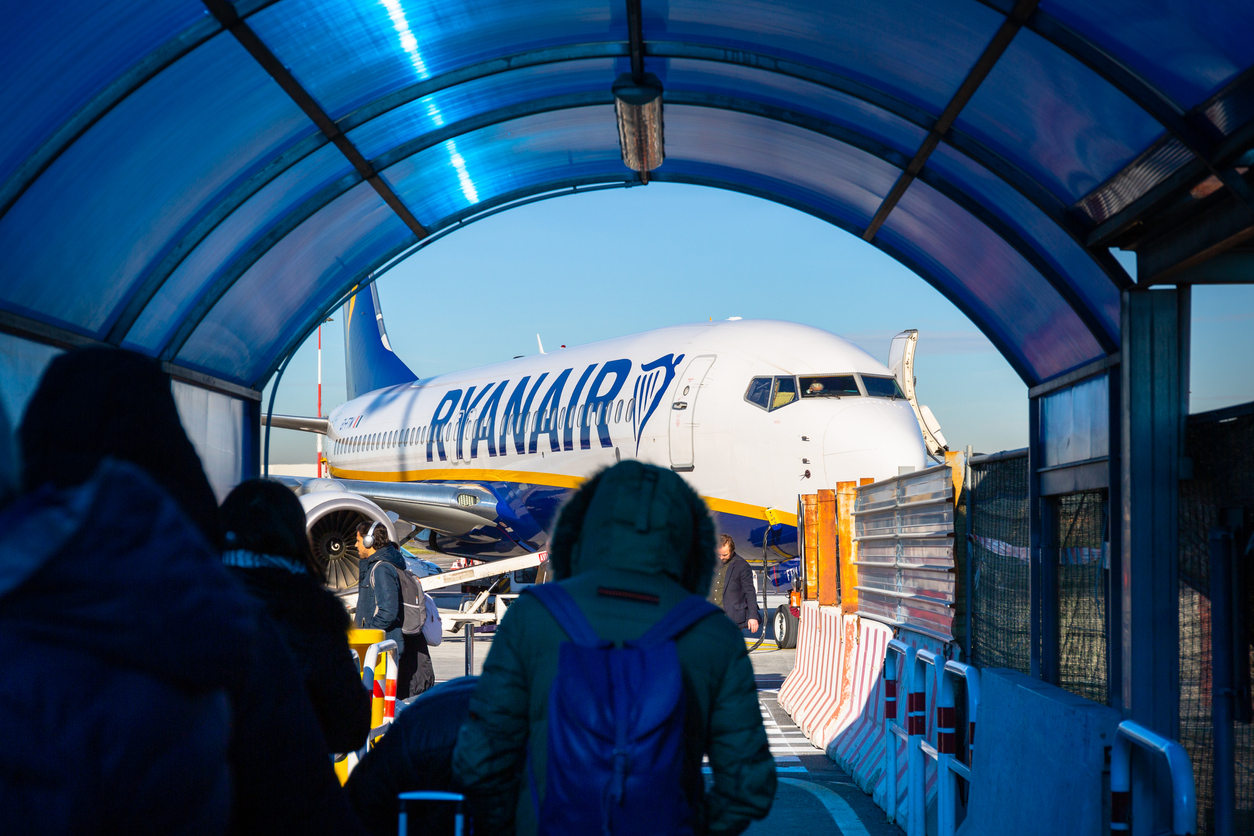
A cheap summer flight can save a family £100 or £200 at checkout, then cost far more if the booking goes wrong. With airlines cutting some fares to tempt hesitant travellers back into the market, the risk for households is no longer only whether flights get cheaper or more expensive. A cancelled, changed or delayed flight can leave families paying for extra hotels, replacement tickets, missed transfers or lost bookings that their travel insurance may not cover.
Fuel fears linked to the Iran conflict have already made airline pricing harder to read, with fare cuts appearing on some European routes even as the industry faces higher fuel costs and possible schedule pressure. If fuel availability tightens, routes become less profitable, or airlines consolidate flights to protect margins and operations, passengers may face changes that turn a cheap ticket into a more expensive trip. Finance Monthly’s related article, Will Summer Flights Get Cheaper or More Expensive as Fuel Fears Hit Airlines?, explains why some fares may fall first even as the real cost of travel becomes harder for households to judge.


Why a Cheap Flight Can Leave Families Exposed
Families often think about travel insurance as a safety net that sits underneath the whole holiday. In reality, the protection can be much narrower than people assume. A policy may cover cancellation for specific reasons, missed departure in defined circumstances, emergency medical costs, baggage, or additional travel expenses, but the wording decides what is actually claimable.
The uncomfortable part is that the airline, the insurer and the holiday provider may each cover different pieces of the same problem. If the airline cancels a flight, passenger rights may give the traveller a refund, rerouting or assistance. If the traveller chooses not to go because they are nervous, that is a very different situation. If a delay causes a missed hotel night, a missed cruise connection or an expensive replacement flight, the result can depend on the booking structure, the reason for the disruption and the exact insurance wording. Cheap flights can become expensive when the saving only applies to the ticket. A family might save £200 by choosing a low-cost fare with awkward timings, minimal flexibility and separate bookings for flights, hotel and transfers. If everything runs smoothly, the saving is real. If the airline changes the schedule, the route is consolidated or the first flight delay breaks the rest of the trip, that same family may find that the most painful costs sit outside the obvious refund.
The pressure is already visible in airline earnings. IAG, the parent company of British Airways, has warned that its 2026 fuel bill is expected to reach about €9.0bn, putting pressure on profit, capacity growth and free cash flow. Finance Monthly’s IAG analysis explains how quickly oil-market pressure can move from global energy costs into fares, margins and investor confidence.
UK passenger rights give travellers important protections, but they do not remove every financial risk. Passengers may be entitled to information about rights to assistance, refunds and compensation when flights are delayed or cancelled, while compensation can depend on timing, distance and the reason for disruption. A refund for an unused flight is helpful, but it does not automatically rebuild the holiday around it.
The Costs Your Policy May Not Pick Up
Travel insurance becomes more important when the real loss is not the original ticket. The painful cost may be the replacement flight bought at short notice, the extra night near the airport, the unused hotel booking abroad, the car hire that cannot be shifted, or the transfer that has to be paid for twice. Cause and evidence can decide whether the policy pays. A traveller who misses a departure because public transport fails may be in a different position from someone who left late. A passenger whose airline cancels may be treated differently from someone who cancels because they fear disruption. A family on a package holiday may have more support around the wider trip than a household that has booked separate flights, hotel, transfers and car hire.
The trap is that many households only discover these distinctions after paying. The cheapest policy may look acceptable because the headline cover limits seem high. The excess, exclusions, missed-departure conditions and cancellation wording can change the value completely. A £20 saving on insurance can be wiped out many times over if the claim falls outside the policy. Separate bookings can increase the risk because the traveller may have to deal with several companies at once. A flight-only booking may leave the passenger dealing with the airline for the flight, the hotel for the room, the transfer company for the pickup and the insurer for whatever remains. Each party can point to a different rule. The family still has one problem: the holiday no longer works as planned and the money has already left the bank account.
The same cost chain reaches beyond travel. Finance Monthly has also reported how the Iran war price shock could push up everyday products such as Coca-Cola, Pampers and Kleenex, as energy, packaging and transport costs feed into household spending. Travel insurance sits inside that wider pattern: when global cost pressure rises, households often feel it through several smaller bills rather than one obvious shock.
How Families Should Protect the Whole Holiday Cost
The better summer travel decision is not always the cheapest ticket. It is the booking that leaves the household least exposed once flight times, baggage, airport choice, refund terms, insurance, package protection and backup options are counted. A family saving £40 per person on the fare can still lose money if the cheaper route has poor alternatives, expensive bags, awkward transfer times or weak protection if plans change. Travel insurance should be bought soon after booking, not treated as an afterthought before departure. That timing can affect cancellation protection, because risks that are already known or events that have already happened may be treated differently by insurers. The cheapest policy may suit a simple, flexible trip, but it may be a poor fit for a family holiday with fixed dates, separate bookings and limited room for disruption. Families also need to look at how the holiday is assembled. Package bookings can provide a clearer route for support when parts of the trip are connected. Separate bookings may be cheaper and more flexible, but they can push more coordination risk onto the traveller. Credit card protection may help in some payment disputes, but it is not a substitute for travel insurance and does not automatically cover every knock-on cost.
Fuel-related disruption adds another layer because passenger rights and insurance do not always answer the same question. High fuel prices, fuel shortages, airline schedule changes and passenger choice can each be treated differently. That distinction can affect whether passengers are compensated, rerouted, refunded or left relying on insurance for additional costs. For households, the safest reading is simple: the flight price is only the first line of the travel bill. A cheap ticket can be worth taking, especially for flexible travellers who have several route options and proper cover. It becomes risky when the saving depends on a rigid booking, weak insurance, separate travel components and little room to absorb disruption.
The trap is that travel insurance can look like full holiday protection when it may only cover specific losses in specific circumstances. This summer, with fuel pressure, schedule uncertainty and fare discounting pulling in different directions, that assumption could be expensive.
The best deal may still be a cheap flight, but only when the household has checked what happens if the plan changes. A low fare is useful. A low-risk booking is worth more.
Source link
#Travel #Insurance #Cover #Changed #Summer #Flights





