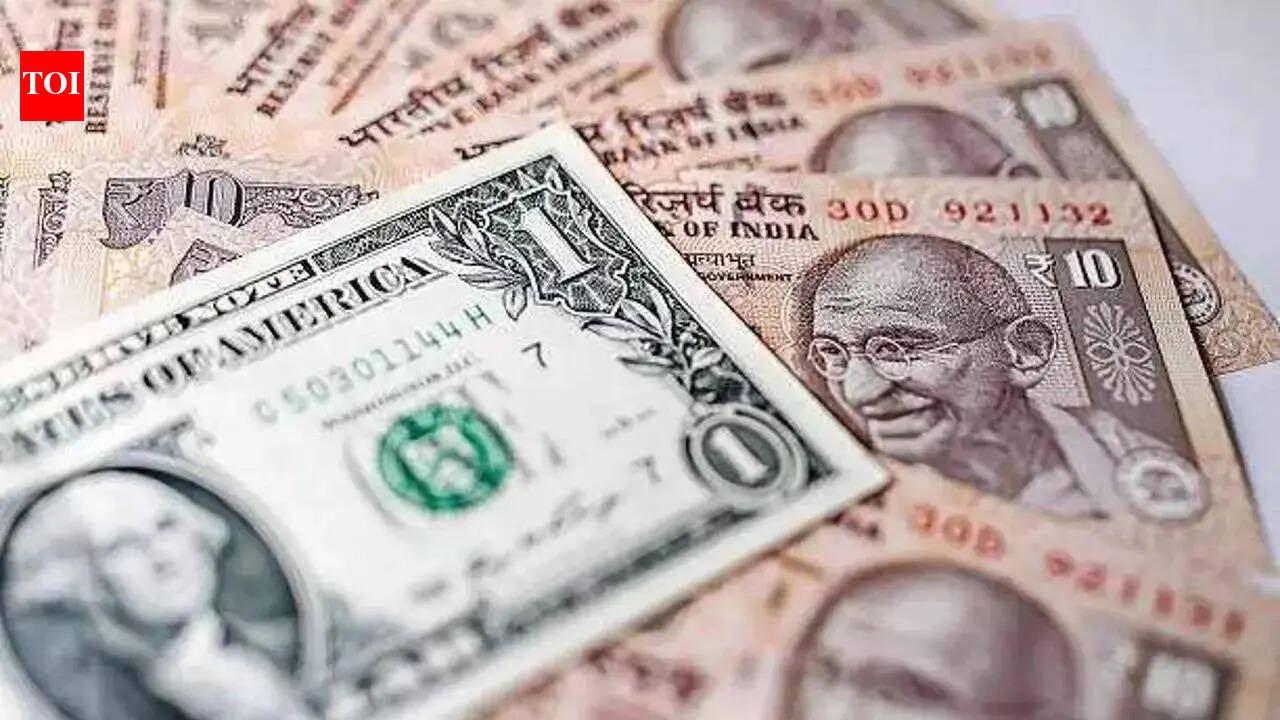
With rising oil prices and foreign portfolio outflows pressuring the rupee, Janak Raj argues that raising interest rates is the wrong way to defend the currency. There have been calls for the RBI to raise rates to stabilise the exchange rate, but Raj says this would confuse the purpose of monetary policy, which should focus on inflation rather than exchange-rate management. He notes that interest-rate defence rarely works, except in extreme panic, and can hurt the real economy by raising borrowing costs and depressing equity valuations. Instead, policy should focus on stemming capital outflows and attracting inflows, including by rationalising capital gains tax and improving foreign investors’ risk-return perception of India.


Our first editorial says SpaceX’s planned IPO could become one of Wall Street’s most extraordinary listings, but its ambitions are matched by serious financial and legal risks. The company is reportedly seeking $75 billion at a valuation of between $1.75 trillion and $2 trillion, which would make it the largest initial listing in the US. The editorial notes that SpaceX has accumulated large losses, faces litigation and regulatory scrutiny, and shows a stark mismatch between current revenues and the valuation sought. Yet, with Elon Musk’s influence and SpaceX’s market position, the listing could still make him the world’s first trillionaire.
Our second editorial argues that government land in central Delhi should be used to expand public green spaces rather than remain locked in private clubs with restrictive membership rules. The Centre’s notice asking the Delhi Gymkhana Club to vacate its premises has raised concerns, but the editorial says the government is within its rights to reclaim or cancel leases granted in perpetuity, subject to due process. There is little logic in allowing such institutions to occupy public land when Delhi’s residents have limited access to large central parks.
V Kumaraswamy reviews Santosh Mehrotra’s India Out of Work as a sobering assessment of the employment, education and economic hurdles facing India’s developed-country ambitions. The book argues that achieving Viksit Bharat status by 2047 will require sustained 8 per cent growth and the creation of 10-12 million non-farm jobs each year, even as job creation has slowed and unemployment among educated youth has risen sharply. Kumaraswamy notes that the book places job creation at the centre of India’s growth challenge, while offering a rich set of data and policy suggestions to revive demand, employment and inclusive growth.
Source link
#Opinion #Renewable #energy #India #resilient #oil #shocks