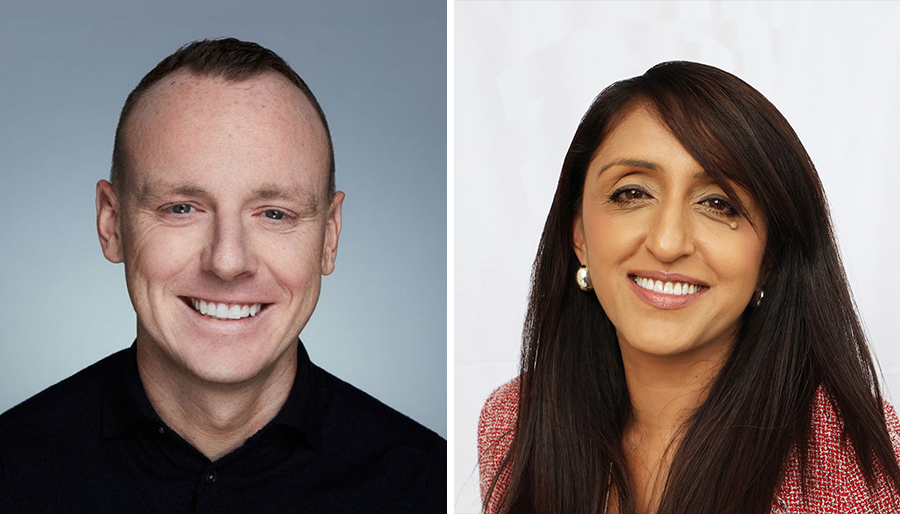
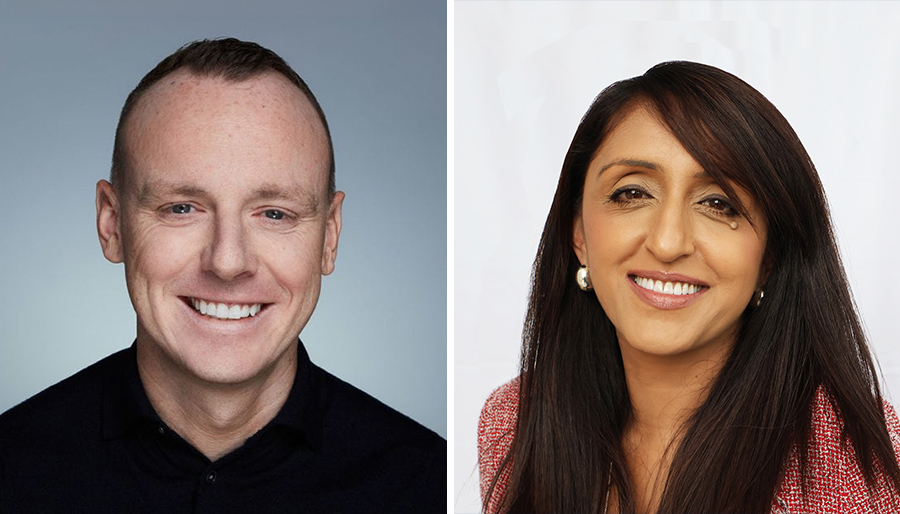
As professional services structures change, what place do alternative models hold? Shru Morris, CEO of DSW Capital, and James O’Dowd, CEO of Patrick Morgan, explore what’s driving a shift in the structure of professional services, how alternative models are growing in popularity and what professionals should look out for when building their career.


The professional services industry has been undergoing a structural shift for some time now. While some have argued that this is purely cyclical, and nothing we haven’t seen before, it’s now undeniable that something much bigger is at play.
For decades, there were two clear pathways for professionals to undertake. You either build your career in a larger firm and progress towards the partnership, creating a lifelong career at one place, or you step away and establish an independent practice. However, this binary is breaking down.
At the heart of this shift is a growing misalignment between traditional structures and modern expectations. The partnership model, long regarded as the gold standard, was designed for a different era. It assumed longer career tenures, more homogeneous service lines and a more predictable path to equity. However, today’s market looks very different. Senior professionals are often highly commercial, with established client relationships and the ability to generate substantial revenue independently. Yet many find that the progression and reward within large firms remain constrained by layers of governance, pooled economics and timelines that do not always reflect individual contribution.
While this is hardly a new challenge for professionals, the rise of alternative models has made many question if traditional career paths are as beneficial to them. People no longer have to choose between the security and infrastructure of a large firm, or the autonomy and risk of an independent practice. Instead, disruptors are starting to combine the benefits of both into one, new structure.
Alternative, platform-based models claim to provide autonomy without isolation. They enable professionals to operate with a high degree of control over their client relationships, pricing and strategic direction, while benefiting from shared infrastructure such as compliance, operations, brand and access to a broader network of expertise. In doing so, they separate ownership from the burdens of building and maintaining a firm from scratch.
The appeal of this approach is not difficult to understand. Building an independent practice can be rewarding, but it is also resource-intensive and often distracts from client-facing work, while remaining within a large firm can provide stability, but may limit the ability to fully capture the economic value of one’s efforts. Platform models aim to strike a balance, offering a more direct link between performance and reward, alongside the practical support required to operate effectively.
A perfect storm of market changes
The timing of this shift is also important, with several forces converging to create the conditions for change. First, clients are increasingly open to engaging with specialist providers and individual experts, rather than relying solely on large, multi-service firms. The lure of monolithic brands doesn’t hold the same weight as it used to, with clients recognising the benefits of more specialist practices.
At the same time, the economics of traditional partnerships are under greater scrutiny. Rising costs and changing expectations around profit allocation are causing many to question whether existing models still offer the best route to long-term value.
A new generation of senior professionals are also changing how people view work right across the economy. Transparency and flexibility are now among the top things younger professionals look for in their work. They are more attuned to the commercial realities of their work and more willing to challenge established norms. This means a strong brand is no longer enough to entice people in, with cultural fit climbing the ranks of importance.
The increasing role of technological advancement is also creating a profound shift in the way we all work. Automation and AI are completely changing entire industries, particularly as larger organisations look for fast efficiency gains. We’re already seeing this compressing margins in certain areas while elevating the importance of high-value, relationship-driven work. In such an environment, the ability to operate with agility and focus becomes a competitive advantage.
Taken together, these factors suggest that what we are witnessing is not a temporary deviation, but a structural evolution. The range of viable models within professional services is expanding, and with it, the ways in which professionals can build their careers.
What should young professionals consider next?
This has important implications for both talent and firms. For individuals, understanding the underlying structure of a firm – its ownership model, economic framework and approach to governance – is becoming as important as its brand or market position. And for firms, attracting and retaining talent will increasingly depend on offering models that align with these expectations.
None of this is to suggest that traditional partnerships will disappear. They will continue to play a central role in the industry, particularly in areas where scale, global reach and institutional depth are critical. However, they are unlikely to remain the default choice for all professionals. Instead, they will coexist alongside a growing ecosystem of alternative models, each suited to different stages of career and types of practice.
For those building their career, the key is to recognise that structure is no longer a secondary consideration, and is in fact a defining factor in how value is created, shared and sustained over time. As the industry continues to change, those who engage thoughtfully with these questions will be best positioned to build a fulfilling career.
Source link
#Professional #services #fragmentation #driving #rise #alternative #models