23
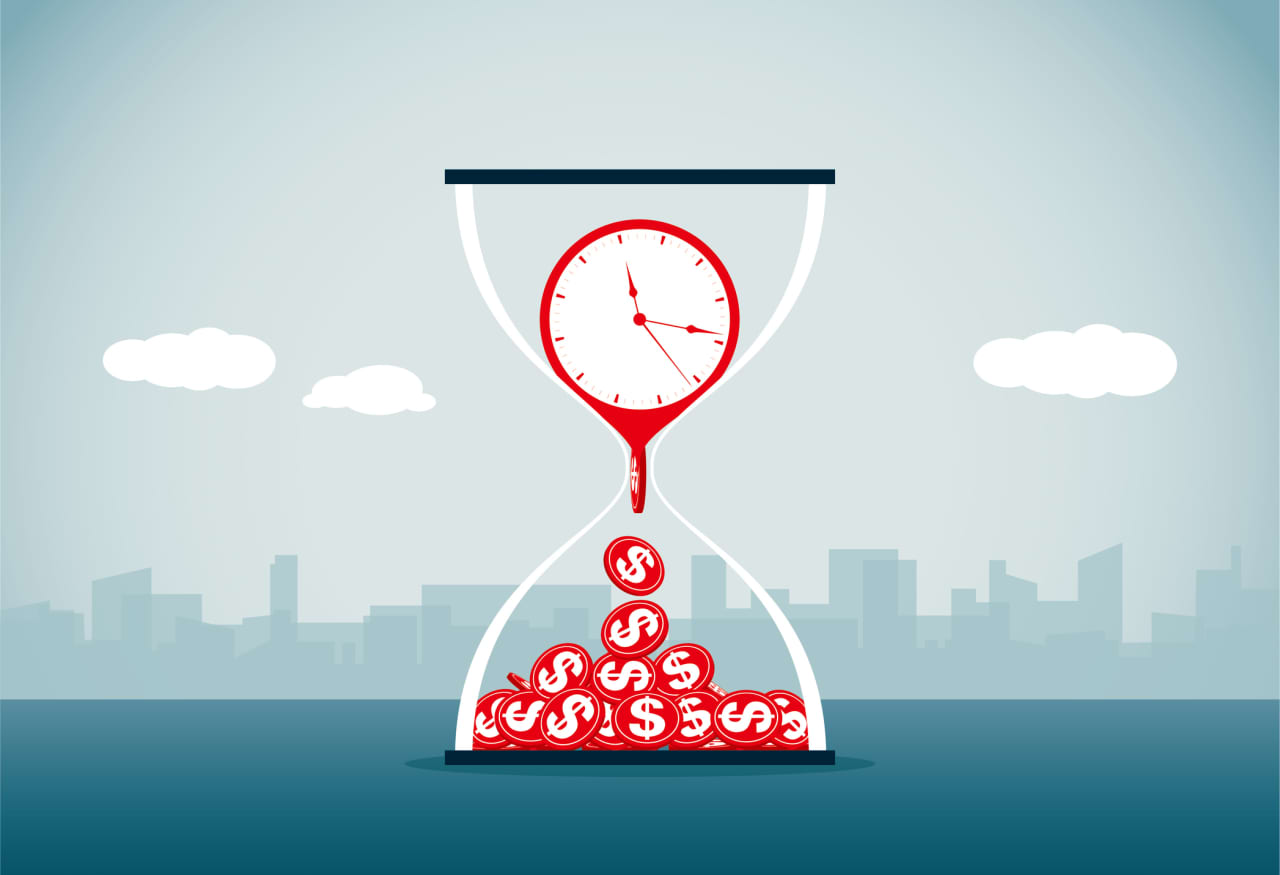
Four years may look like a long amount of time on paper, but high school teachers know that it can go by in an instant. So how can you teach your students to manage that time in the most efficient way possible? Help them strengthen executive functioning skills like prioritization, scaffolding, and organization through time management activities for high school students.



1. Prioritize tasks for a work session
Sitting down at a desk with a binder full of assignments can feel overwhelming for anyone, especially a stressed-out high school student. Work on time management for high school students by focusing on prioritizing tasks during a single work session, whether it’s classwork or homework.
- Draw an Eisenhower Matrix on the board and discuss the four quadrants (Urgent/Important, Urgent/Not Important, Not Urgent/Important, Not Urgent/Not Important).
- Ask your high schoolers to brainstorm the types of tasks that would go into each quadrant, including homework tasks, extracurriculars, and home responsibilities, and have them fill out their own matrix for smaller assignments or work sessions.
- Have them include their matrix for extra points toward their grade.
Make prioritization a part of the daily class routine
It’s hard to make priorities when the workload is really heavy. Build prioritization skills long before the work piles up with resources that model making priorities, then add priorities to the class routine.

SEL Warm Up Activities Executive Functioning High School Task Prioritization
By Learning through Love- Ali Ozeta
Grades: 7th-10th
Subject: Social Emotional Learning
Standard: CCRA.W.10
Focus on executive functioning from the first moment of class with a set of warm-up activities based on time management. The resource includes teacher slides, a lesson plan, a routine structure for the week, and journal pages for students to reflect on their executive functioning skills.
2. Break large projects into smaller parts
Do your high schoolers’ eyes widen when you assign a big project? Their reaction likely reflects a belief that they need to do all that work at once. Breaking projects into more manageable parts is an important life skills activity for high school students, no matter the subject.
When you assign a project, model breaking the entire thing into three or four smaller parts, then continue to break each part into even smaller tasks, and create a schedule to get each task done in a timely manner. Students can work with groups or independently to complete their project on this schedule, and when the next project comes around, they can create their own schedule based on the same practice.
Scaffold large research projects into skill-based tasks
Designing a research project can be almost as work-intensive as completing a research project. Use ready-to-use resources to guide students through the research process, keeping a focus on time management skills and executive functioning.

Research Project Scaffolding
By Sustainable ELA
Grades: 8th-12th
Subjects: English Language Arts, Writing, Writing-Essays
Standards: CCSS W.8.2, 2a, 2b, 2c, 2d, 2e, 2f, 4, 5, 6, 7, 8, 9; W.9-10.2, 2a, 2b, 2c, 2d, 2e, 2f, 4, 5, 6, 7, 8, 9; W.11-12.2, 2a, 2b, 2c, 2d, 2e, 2f, 4, 5, 6, 7, 8, 9; CCRA.W.2, 4, 5, 7, 8, 9
This CCSS-aligned ELA resource has everything your students need to plan, outline, draft, review, and revisit a research project on any topic. The resource breaks a large project into smaller pieces, allowing high schoolers to practice chunking their assignments rather than tackling them all at once.
3. Use categorized to-do lists
It’s one thing to have a regular to-do list, but it’s another to have one that updates consistently and keeps track of progress through longer projects. Encourage students to keep a to-do list, and teach them how to use it in a way that makes it a valuable tool rather than simply one more box to check.
Once students know how to categorize tasks within larger projects (see the Eisenhower Matrix above, or have them use a different technique), have them structure their to-do list in a way that reflects those categories. They can use the 1-3-5 strategy, which encourages students to complete 1 big task, 3 medium tasks, and 5 small tasks, or they can update their to-do list as needed to reflect steady progress.
Implement to-do lists regularly
Some high school students only take out the to-do list when they’re underwater in their assignments, but by then, it may be too late. Use resources designed to teach to-do lists based on urgency and importance to ensure that no task, no matter how small, slips through the cracks during both everyday assignments and the busiest times of the year.

Weekly Prioritizer – To Do List
By MrsSystems
Grades: PreK-12th
Can your high schoolers tell the difference between urgent and non-urgent tasks? Help them organize their to-do list by priority with an intuitive resource. Students use the Eisenhower Matrix to categorize their assignments by urgency and importance, helping them decide what to work on now and what can wait until later.
4. Keep a time log
How much time do your high schoolers really take on assignments? The answer could be “Ten minutes” or “All night,” depending on the student and their individual concept of time management. Give them a reality check with time management activities for high school students that use time logs to strengthen their relationship with time.
Implement time blocks in your class periods to get students used to what a certain amount of time feels like (such as 15 minutes). Pass out time log resources for them to use these time blocks in their own study habits, and give class participation points when they continue to update logs that reflect real-time commitments. Students can use the Pomodoro technique (25 minutes of work followed by 5 minutes of rest), or they can use timers to keep themselves on track.
Master time management with a printable time log
It may feel like an assignment will take five minutes, but it could very well be over an hour — or the other way around. Help students gain an appreciation for time management with printable time logs that track the time spent on individual tasks.

Time Log – Work Log Printable – Time Spent Tracker – Working Hours – Timesheet
By Coloring Bistro
Grades: 8th-12th
Help students understand how much time they actually spend on various tasks with a printable time tracker log. With four color variations and different formats for paper size, this versatile resource makes an excellent addition to your high schoolers’ assignment binder.
5. Map out your day
How can students accurately plan their work session if they don’t know what the day holds? Have them start each day (or class period) making a map of their scheduled day to help them budget their time wisely, accurately, and flexibly.
Have students account for each hour of the day at the beginning of the period, then even smaller time increments than that. Whether it’s a few minutes between activities or an extra hour of time between extracurriculars, students may discover pockets of time where they can complete short or even longer tasks. Encourage students to also budget for unexpected events or changes to strengthen flexibility and foresee possible obstacles in their time management.
Use guides and templates to account for found time
High schoolers don’t need to be on a constant timer all day, especially when they’ve already managed their daily time efficiently and effectively. Bring in straightforward resources for students to improve executive functioning and see their time spent right on the page.

Executive Functioning Activities, Time Management and To Do Lists for Students
By Rebekah Sayler
Grades: 5th-10th
A variety of calendar templates, to-do lists, task planning pages, and more assist high schoolers in planning and executing their next academic project. Ideal for students struggling with executive functioning, this resource is practical and engaging to help high schoolers work independently.
6. Maintain a weekly or monthly calendar
Not every day is an ideal homework day. Help high schoolers understand which days of their week or month may be the best times to catch up (or get ahead) on assignments.
- At the beginning of the week or month, pass out a printed template or have students open their calendar app on their devices.
- Tell them to plug in any non-academic standing commitments, such as sports practices, performances, trips, or holidays.
- Then have them bring their academic schedule to the calendar and see where there’s too much overlap, such as soccer practice right before a big project deadline.
- Have them plan out a work schedule that puts more project tasks and homework on emptier days, allowing busier days to be relatively task-free when possible.
7. Identify and eliminate distractions
Distractions can be the trickiest part of time management, especially when students don’t see them coming. While some high schoolers may be more susceptible to distractibility than others, it’s important for them to identify their individual challenges and keep themselves in check further down the road.
- As a class, brainstorm common distractions that keep students from completing their work, both in school and at home.
- Have students write down the distractions that resonate with them most.
- Then encourage them to come up with countermeasures to keep those moments from getting them off task. For example, if “getting a snack” is a distraction that derails a work session, have them get a snack before they even stop working to avoid feeling distracted.
Paper calendars have long been a go-to for study skills for high school students, but every high school teacher knows that paper calendars have a varied success rate. Students who use paper calendars and checklists may have been more likely to succeed in class anyway, while those who eschew these options are the ones who really need the time management help.
Solve this problem by providing an array of organization tools, including paper calendars, digital apps, and gamified programs. If some students work better by referring to their device rather than a written schedule, let them use those options as long as they commit to using them. After all, the best time management tools are the ones high schoolers will actually use!
9. Connect daily tasks to long-term goals
When it feels like completing work just leads to even more work, high schoolers have little motivation to fulfill daily tasks. But when they see those tasks as steps toward a larger goal, students are able to connect the time they spend on that work toward what they ultimately want in the future.
Make a list of good goals for high school, including goals that students can achieve before graduation as well as after. For example, high schoolers can list a desire to get into a certain college, make it onto a varsity team, or contribute more to their community. Show them how the skills gained during a project can lead to the completion of those goals, even without factoring in the grade they earn. The time management, self-discipline, and other study skills they learn while completing daily tasks can lead to success toward other goals and prepare them for their future long after graduation.
Quick Time Management Tips for High Schoolers
Not all time management strategies for high school students require long projects or printable templates. Use these bite-sized lessons to instill in your older students and help them prepare for the next steps in their educational journey.
- Get things done early. A deadline shouldn’t be the goal, and they’re allowed to set their own deadline long before an assignment is due.
- Be realistic. Understand how much time a task is really going to take, rather than assuming it will take a short amount of time.
- Use your weekends wisely. It’s tempting to relax all weekend after a hard school week, but using that free time on their assignments can make next week less stressful.
- Don’t forget downtime. That said, students still need a little downtime to recharge — hopefully once their tasks are complete or under control.
- Ask for help when you need it. High school can get overwhelming fast, and assignments can get away from high schoolers quickly. Let them know that there are resources to help them get on track, including parents, tutors, counselors, or teachers.
Make the most of your time management activities with TPT
Whether students are managing a busy sports calendar, several advanced classes, or a home life with many moving parts, time management is a skill they’ll need to develop. Implementing time management activities for high school students doesn’t just help them navigate your class — it gives them the resources, tools, and confidence they need to manage their time in every other aspect of their lives. Find more high school time management resources that fit your classroom setting, and ensure that your students leave class ready to face the world (as well as the clock).
Source link
#TeacherApproved #Time #Management #Activities #High #School #Students #TPT #Blog